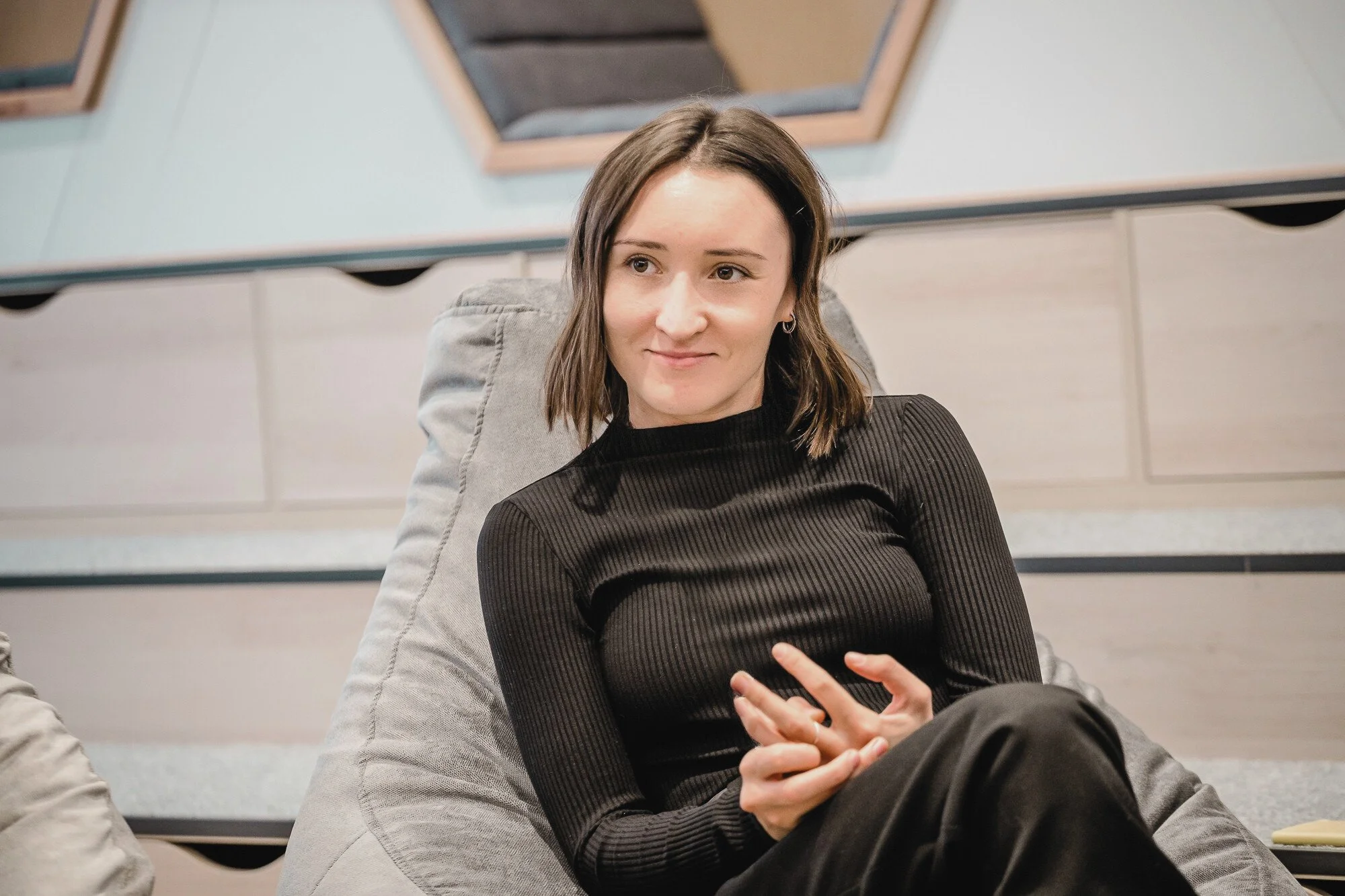
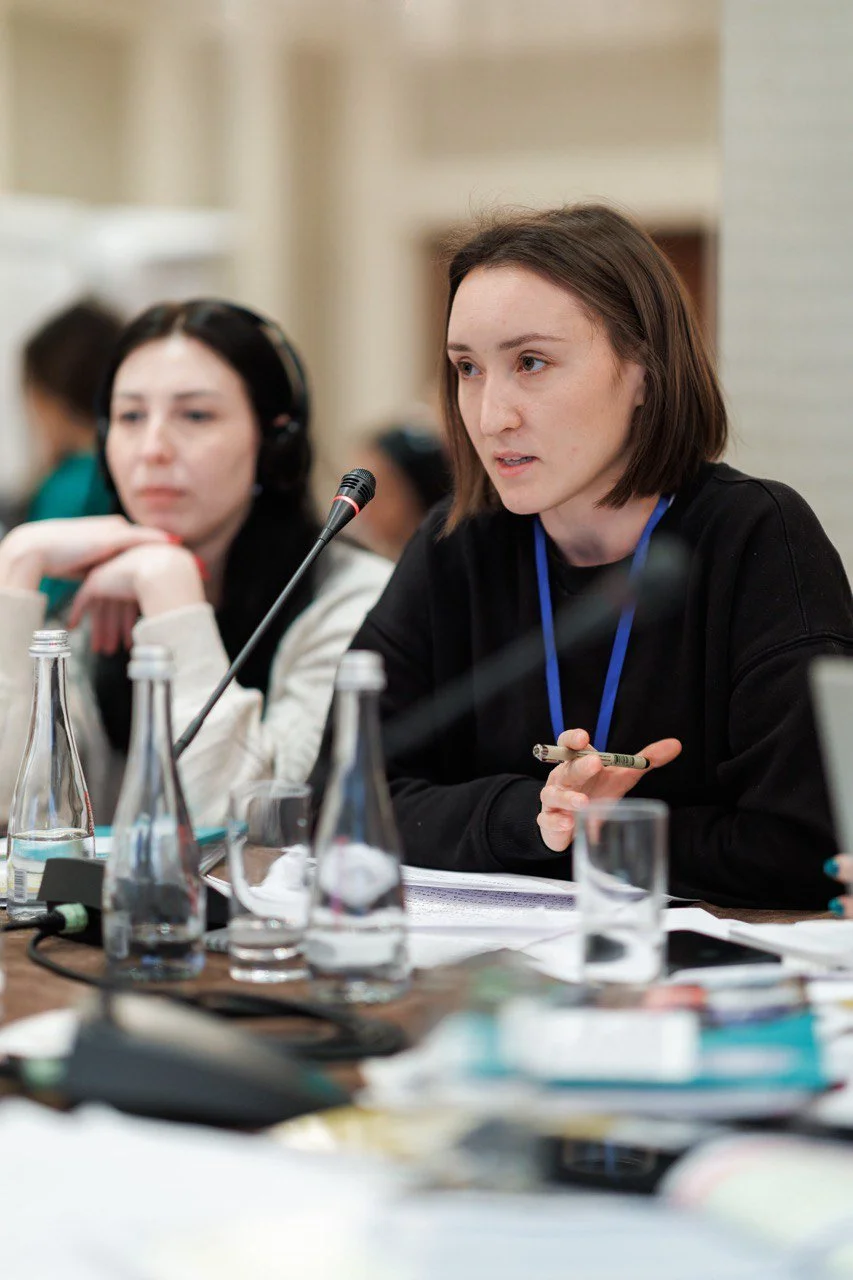
I design mental health and psychosocial care systems, programs, and services using human-centered design.
Hi, i’m Natalia.
I started with mindfulness — designing embodied, sensory experiences for children and adults. That practice led me into MHPSS when the full-scale war began, because it was needed. I grew into the space through responsibility: joining critical psychosocial projects, training, aligning with global standards, learning what it takes to make this work ethical and effective.
Human-centered design came next — as the method that brought rigor to what I was already doing intuitively. It gave me tools to research properly, design precisely, and test before scaling.
Today I work at the intersection of all three — and try to stay mindful throughout.
What shapes my practice
I grew up moving between Ukrainian village life and French city life. Multicultural environments feel natural to me — I understand how different systems think, communicate, and fail. This is how I translate global standards into local realities, and why international teams find it easy to work with me.
I've worked with communities in rural Ukraine and represented organizations at the European level. I understand international standards and local mindsets — not as separate lenses, but as one integrated view.
Human-centered design entered my practice in the summer of 2024 — through a copy of Sprint that my friend Tolya handed me while I was building my first School of Joy. It gave me a rigorous process to get beyond my own assumptions: research properly, prototype, test, iterate. Today it's the backbone of everything I design.
As an adult, I learned I'm neurodivergent. That discovery reframed a lot — including how much I had been shaped by systems that weren't designed for me. This is why I design systems that include people as they are. It's personal.
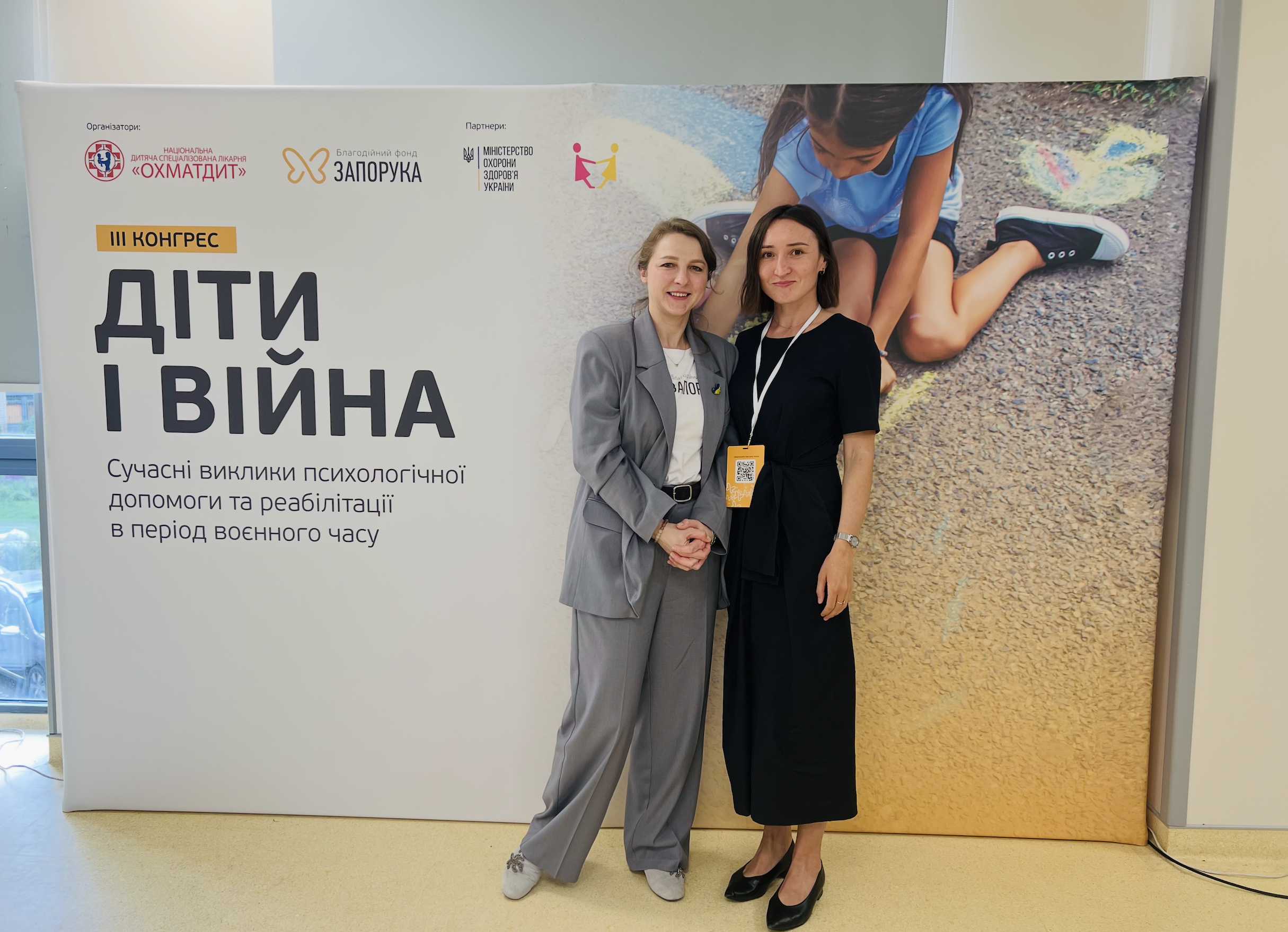
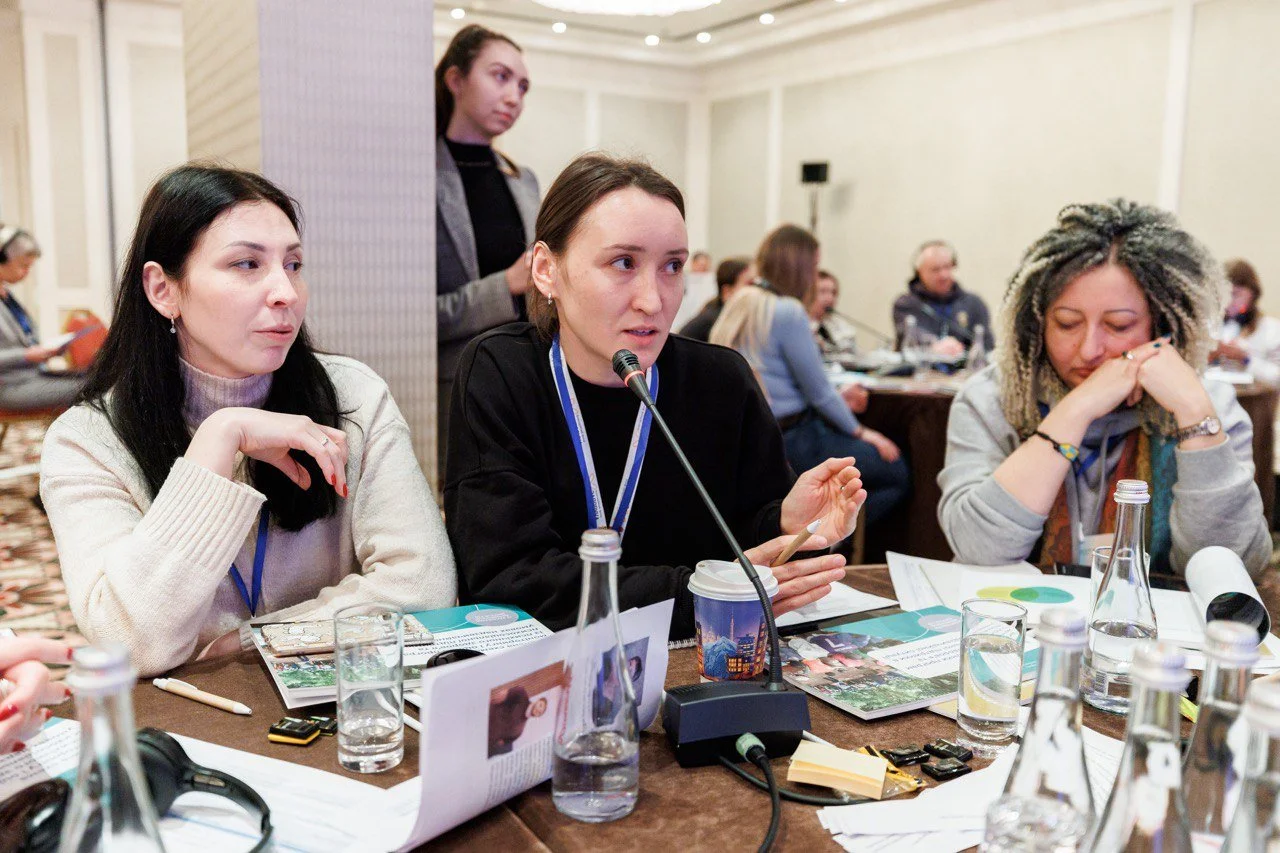
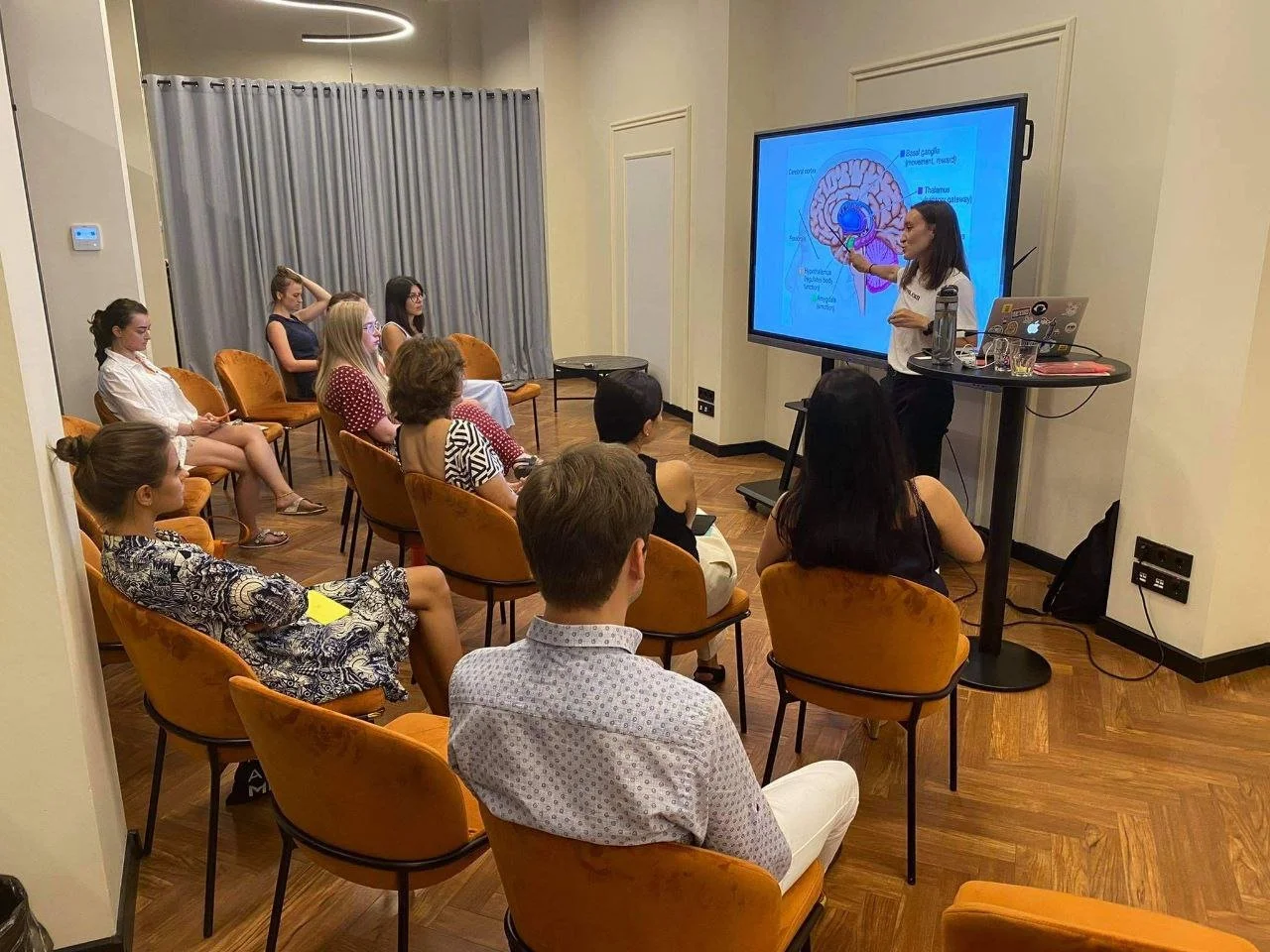
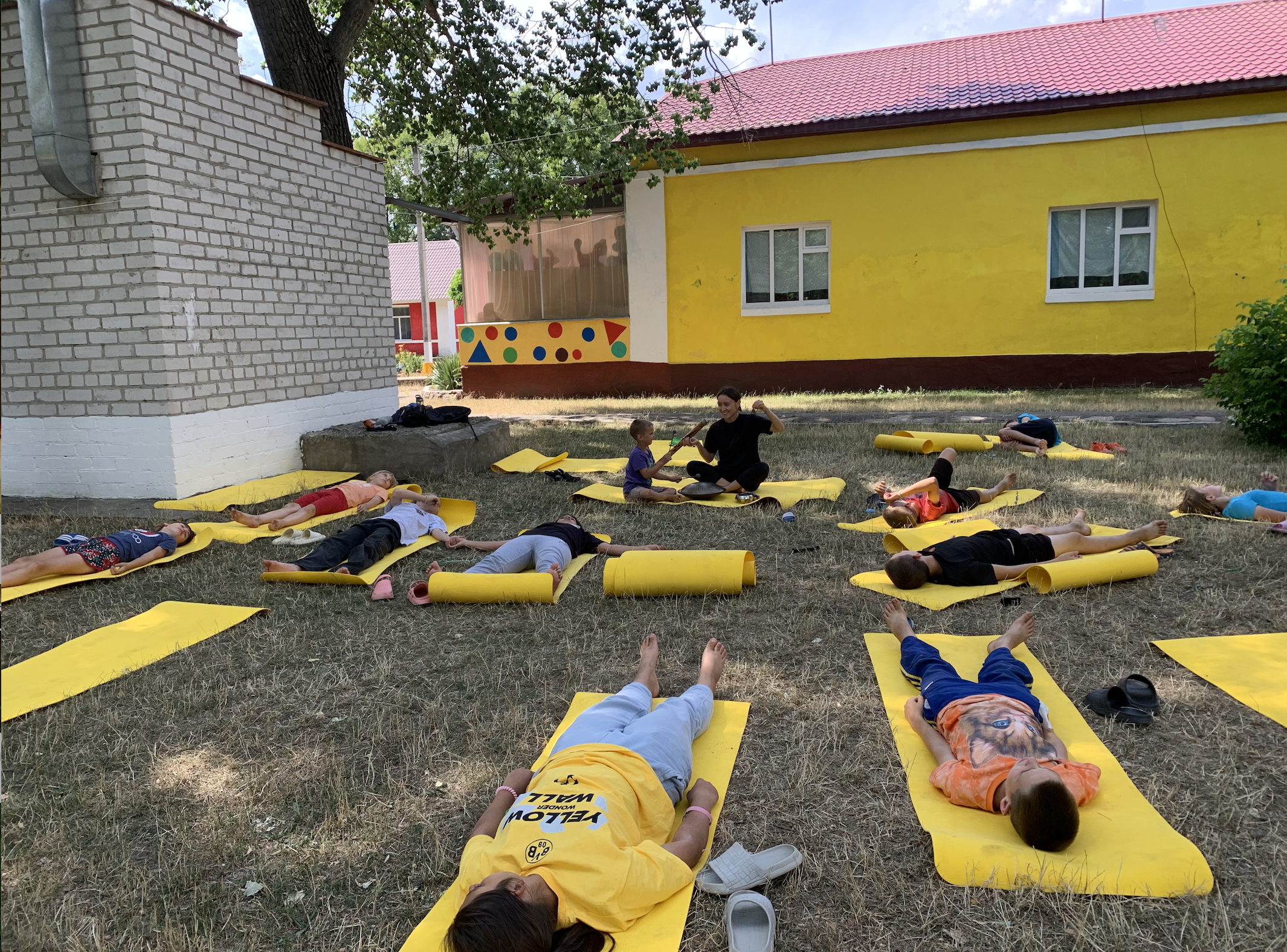
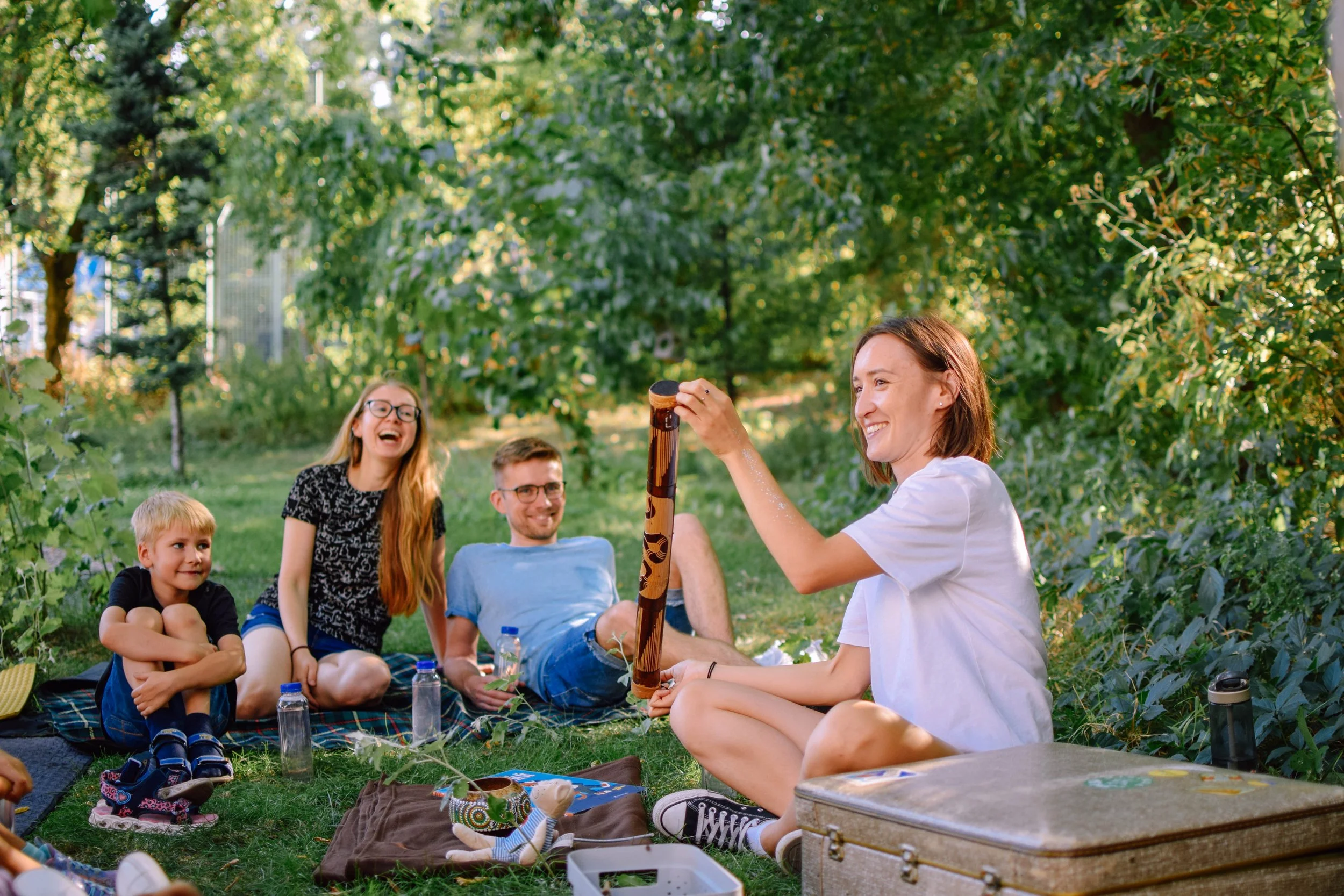
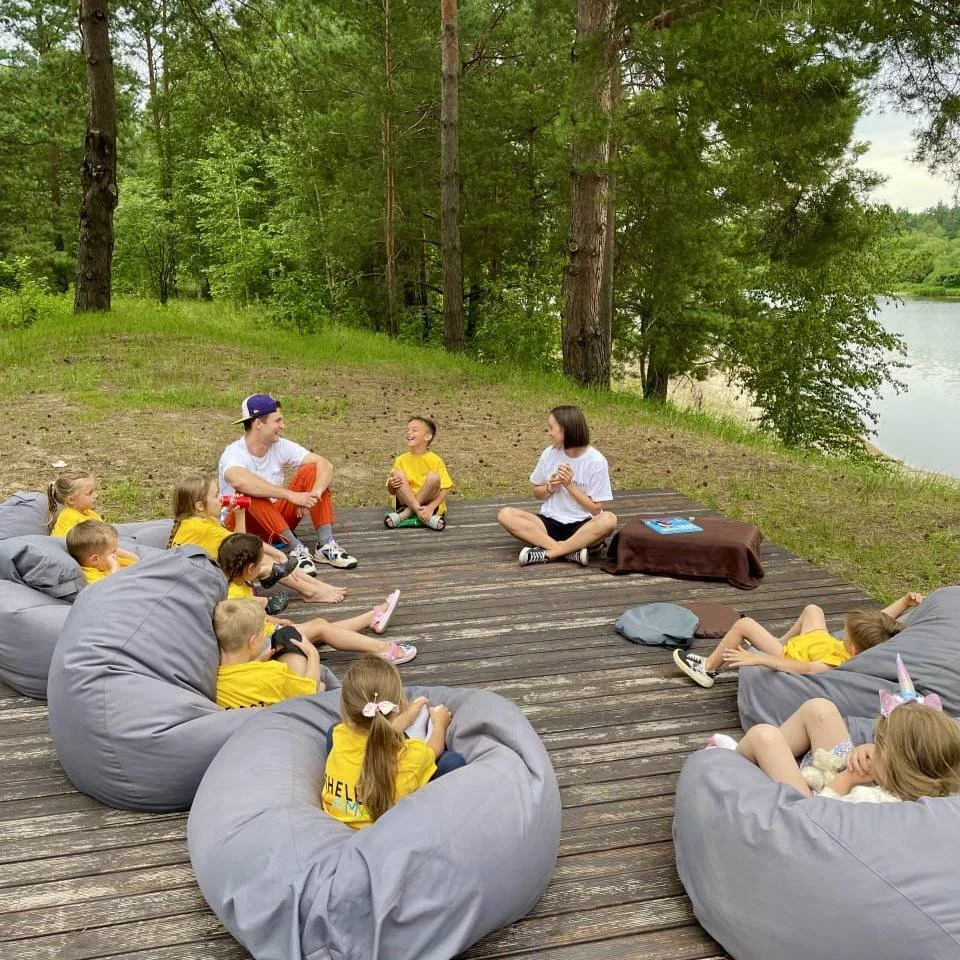
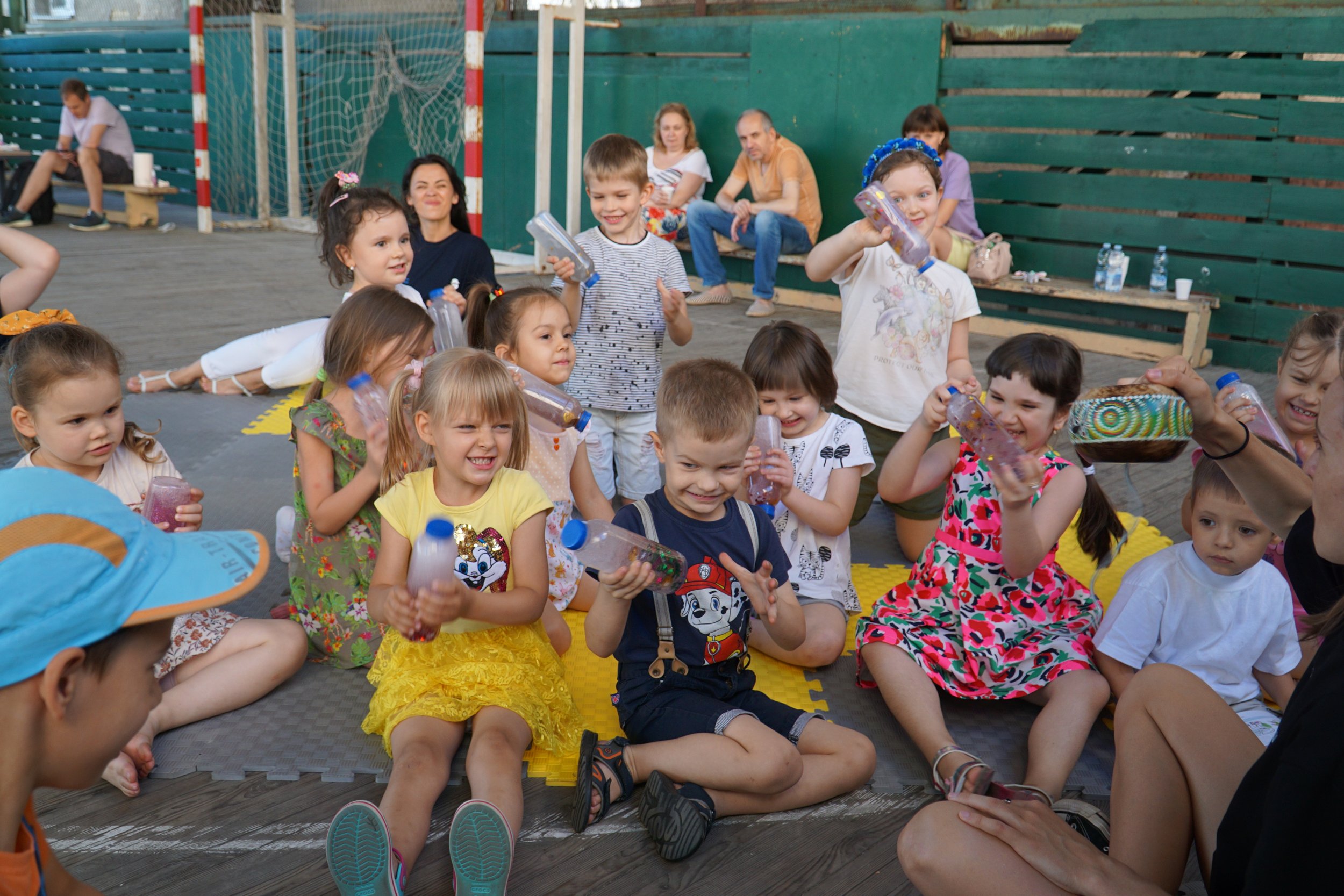
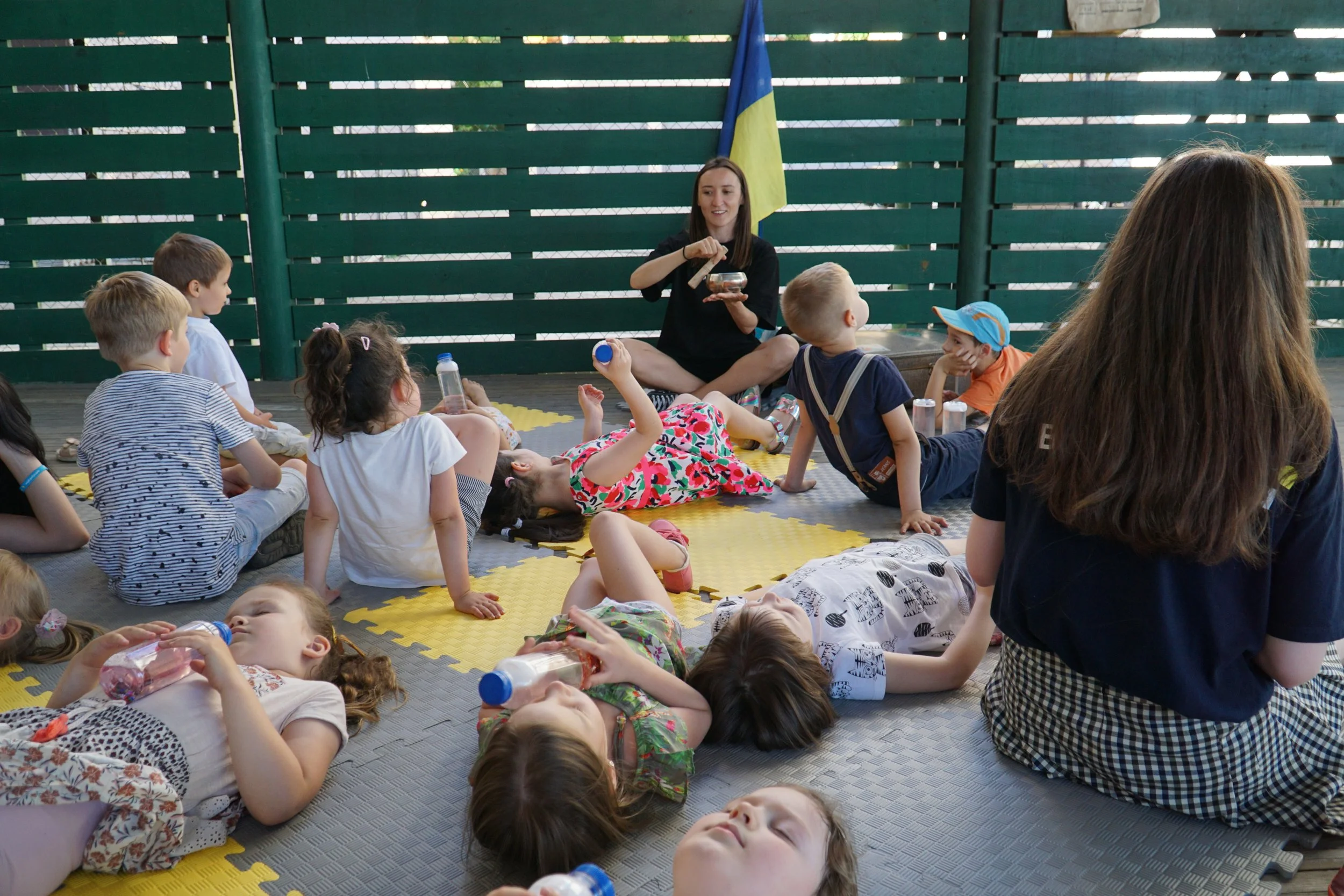
Studio P is my mindful education studio — where I design, develop, and teach mindfulness-based approaches that help children grow through presence, and adults lead with clarity, compassion, and joy.
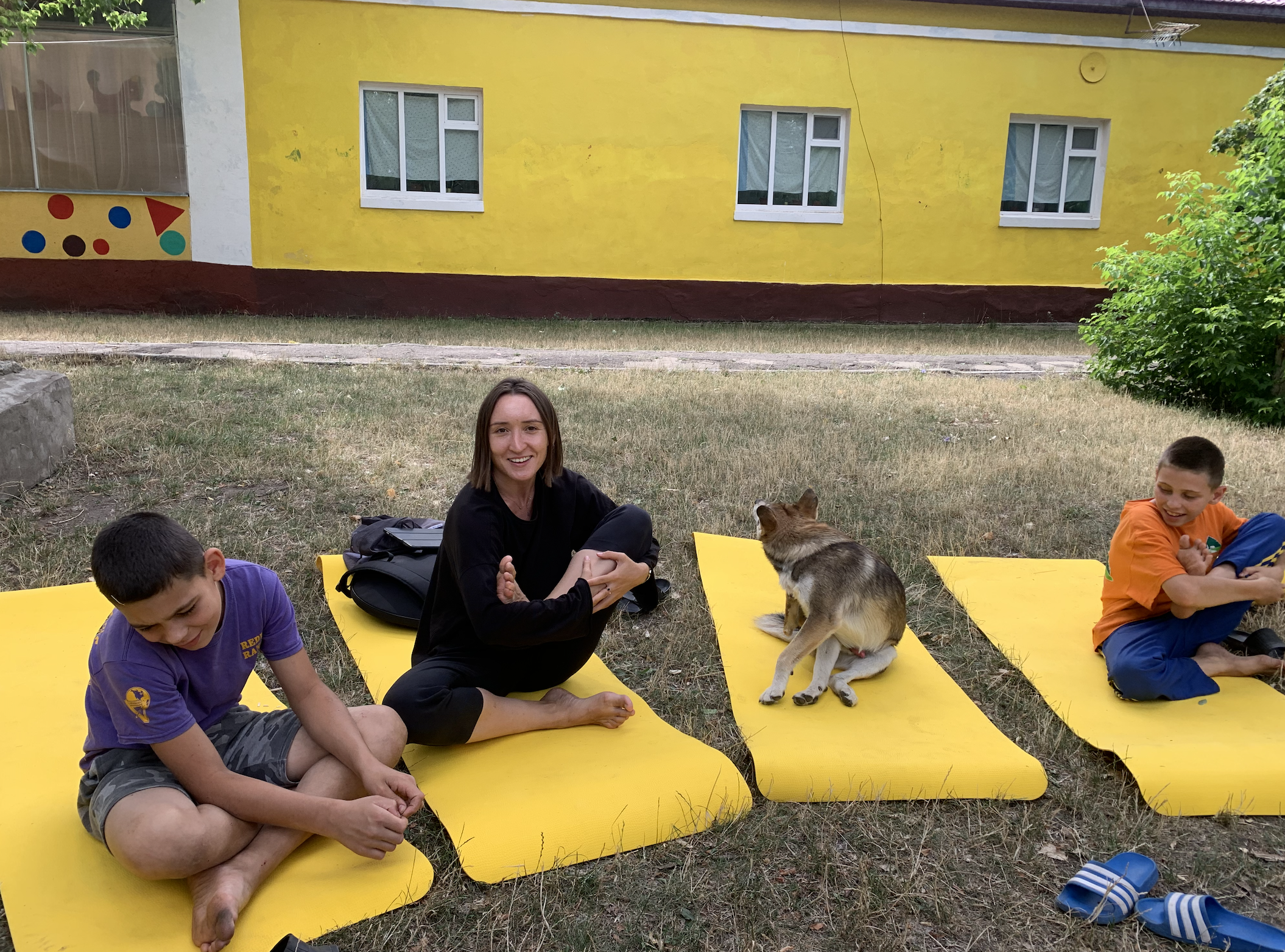
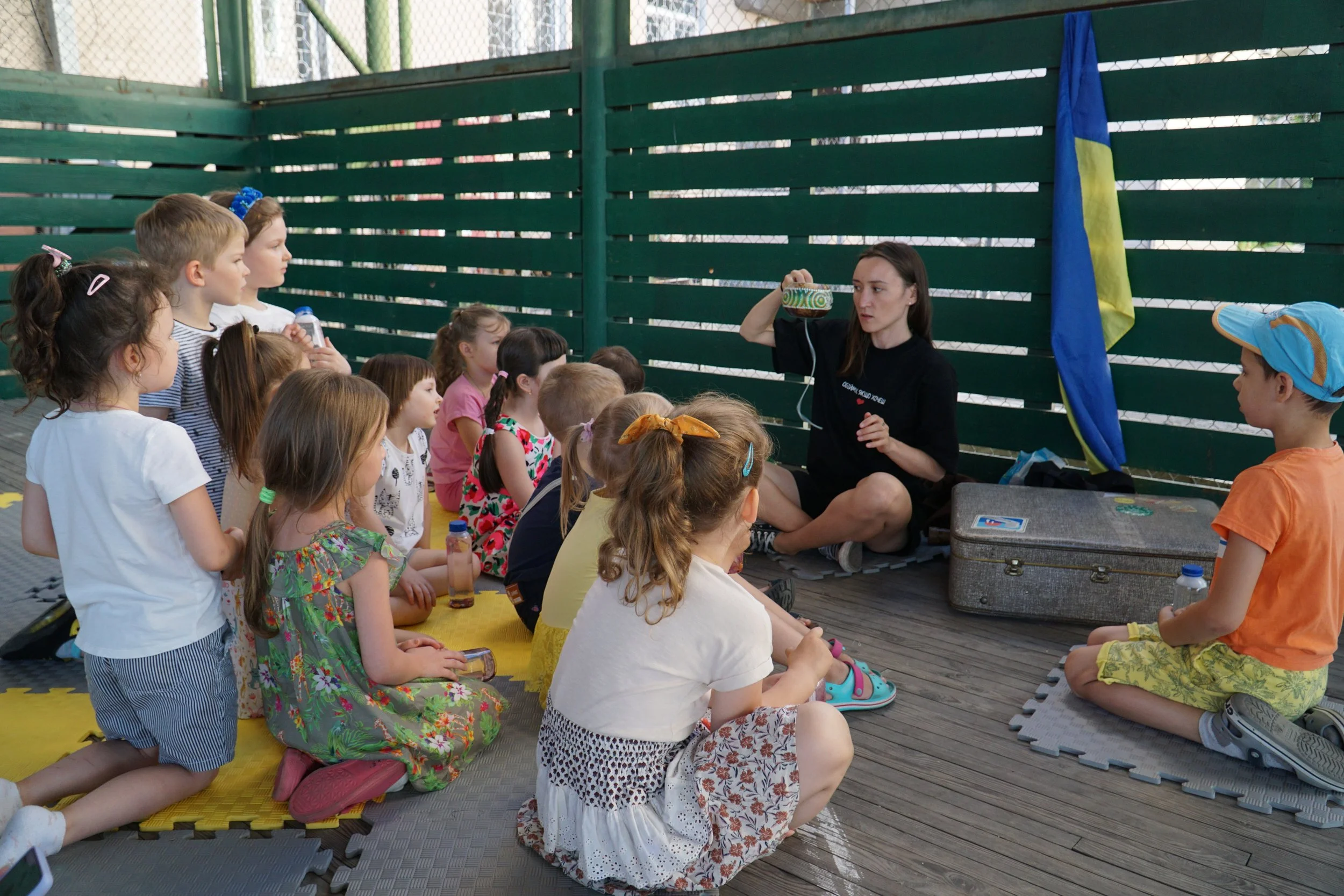
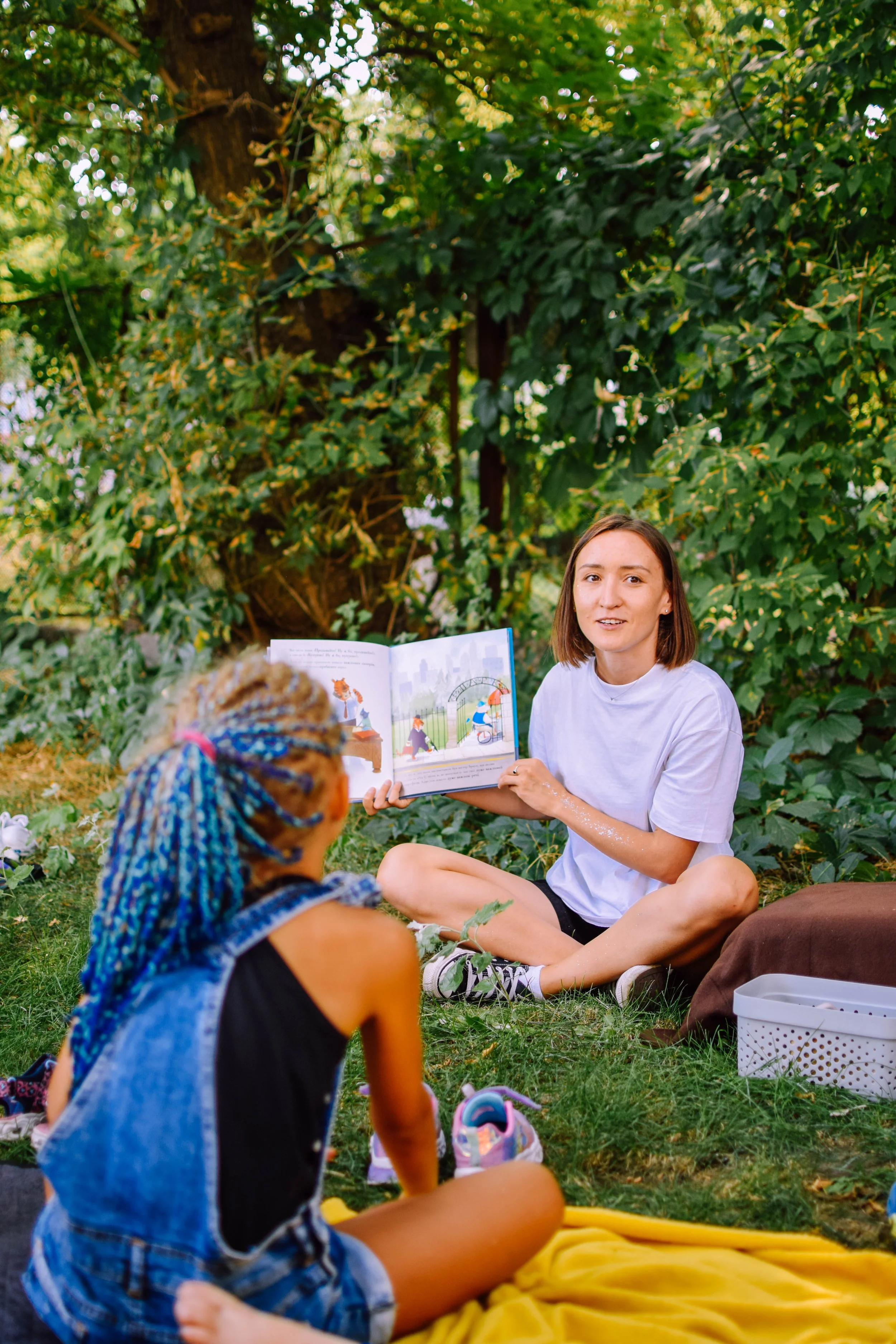
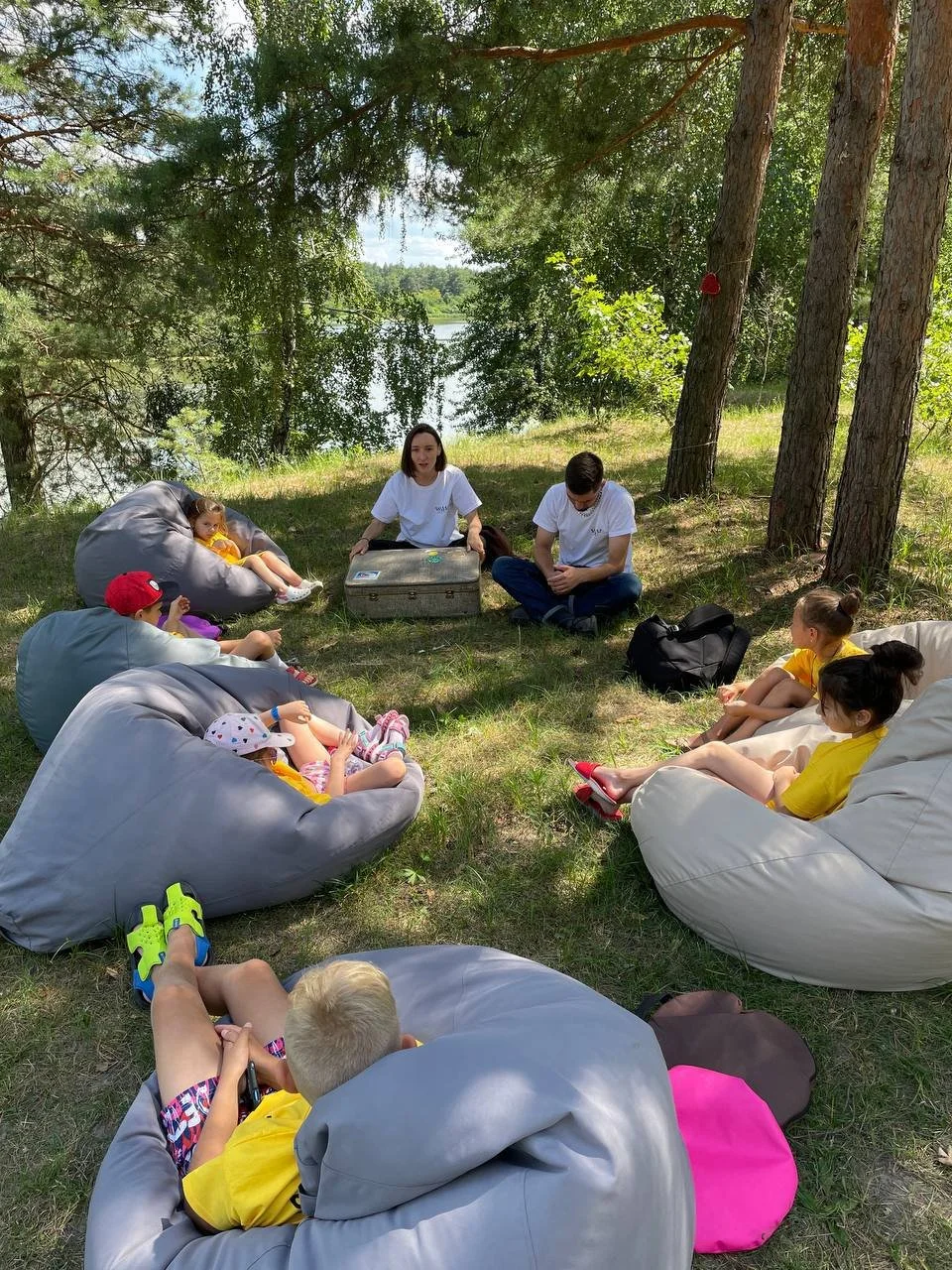
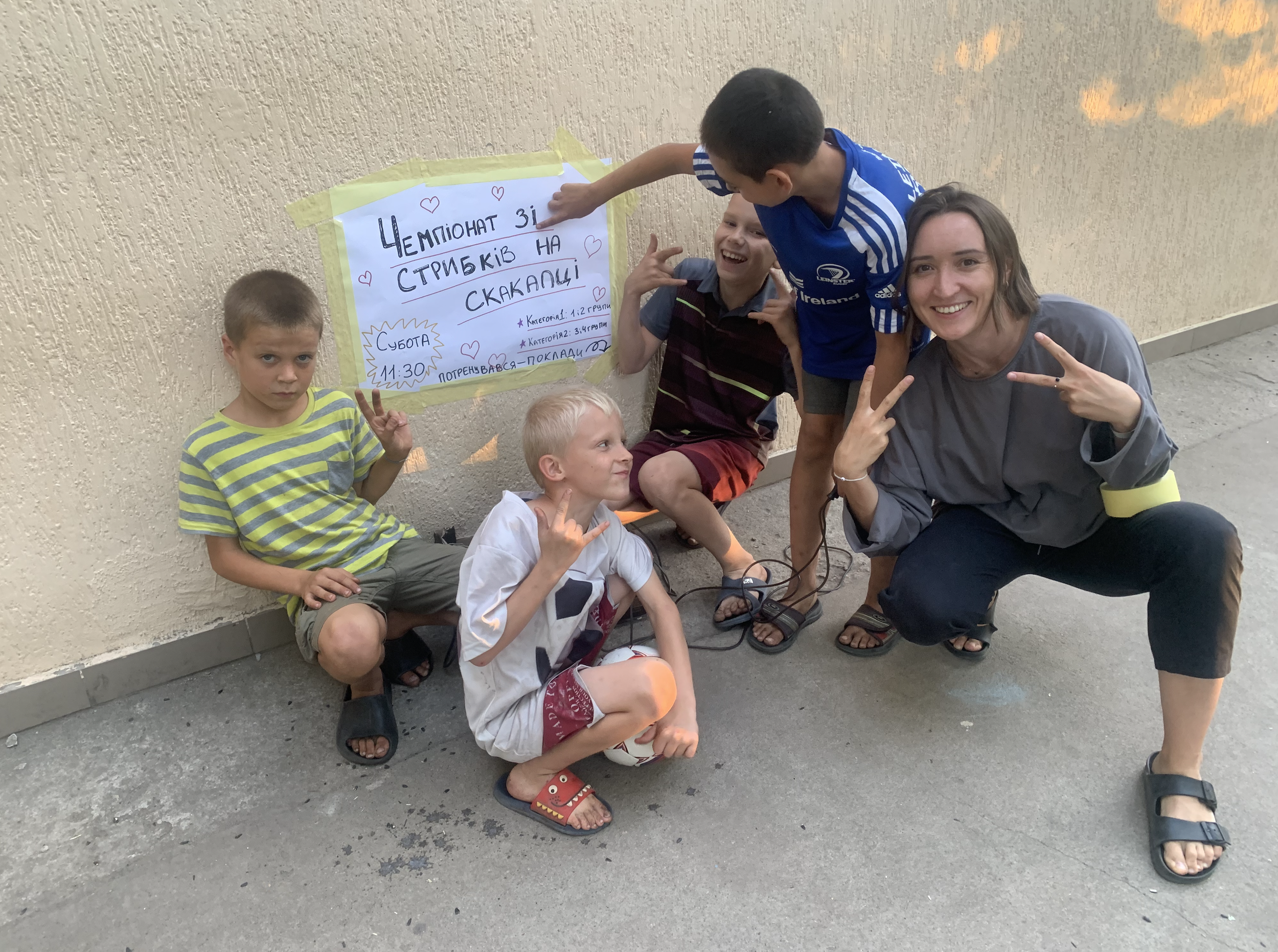
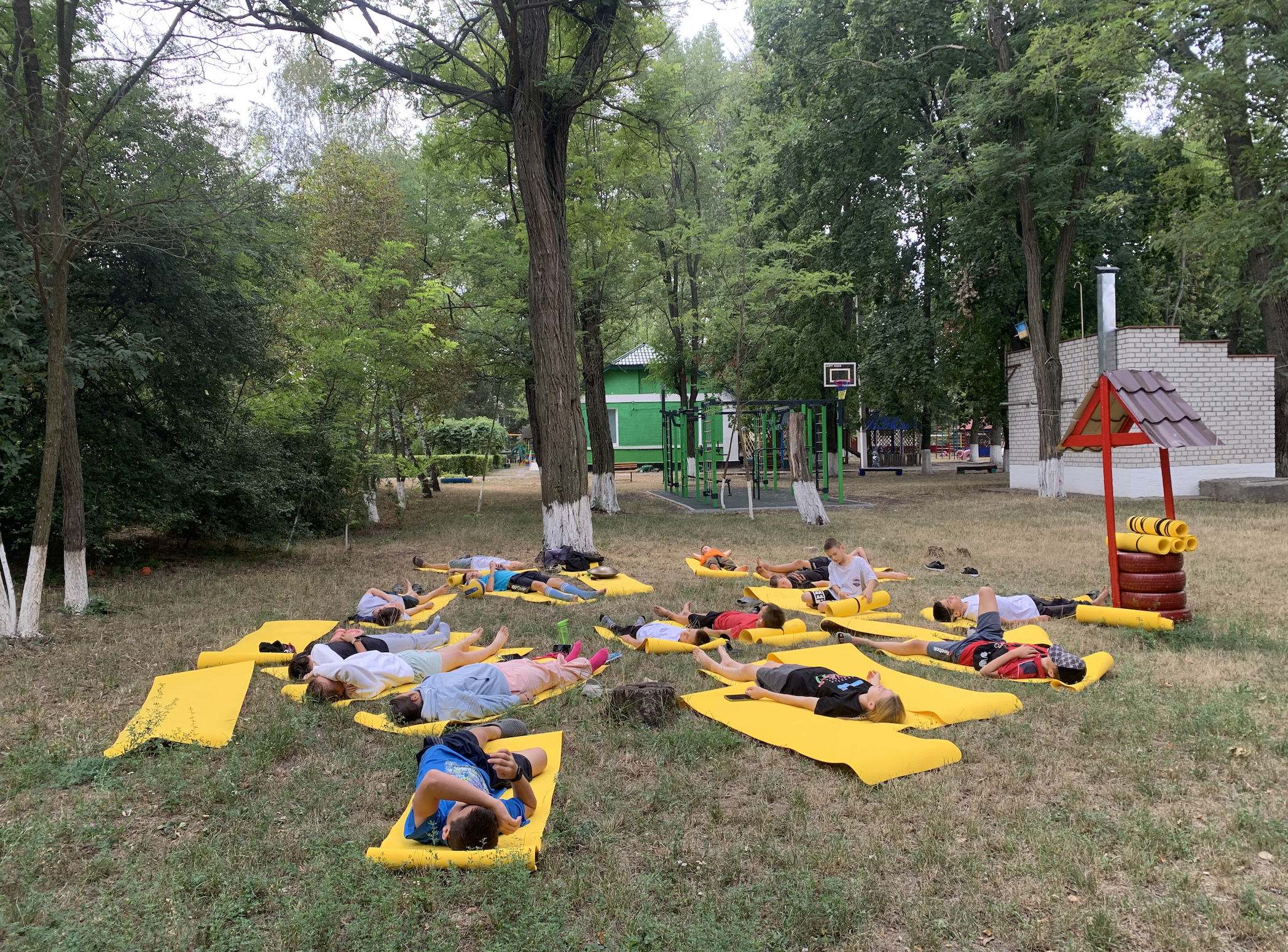
It's also where I stay close to the people I serve. Every method I bring to organizations has been tested here first — on yellow mats, in school yards, in real rooms with real people. This is how I make sure my work never loses touch with the context it's meant for.
Explore StudioP
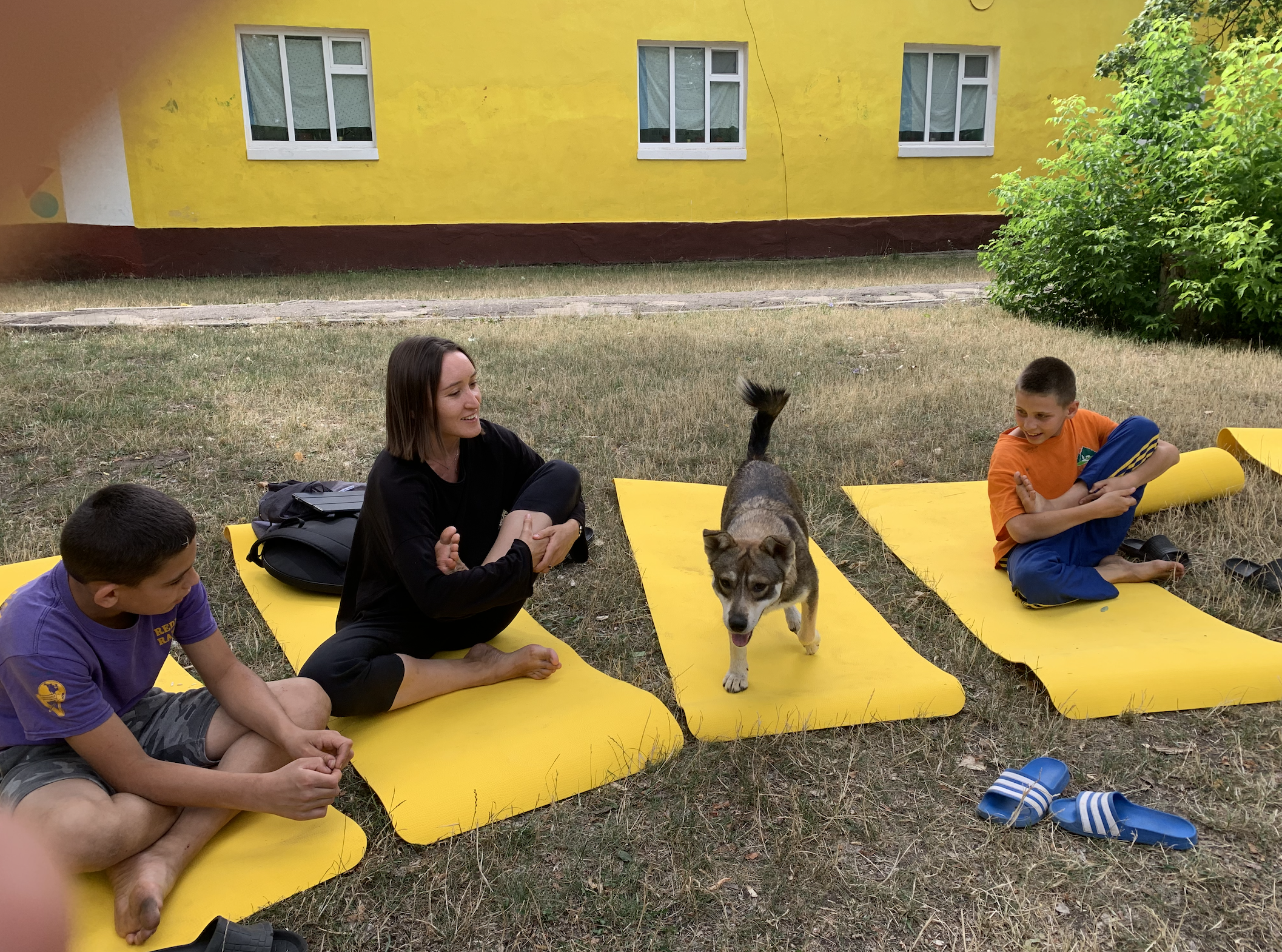
Training
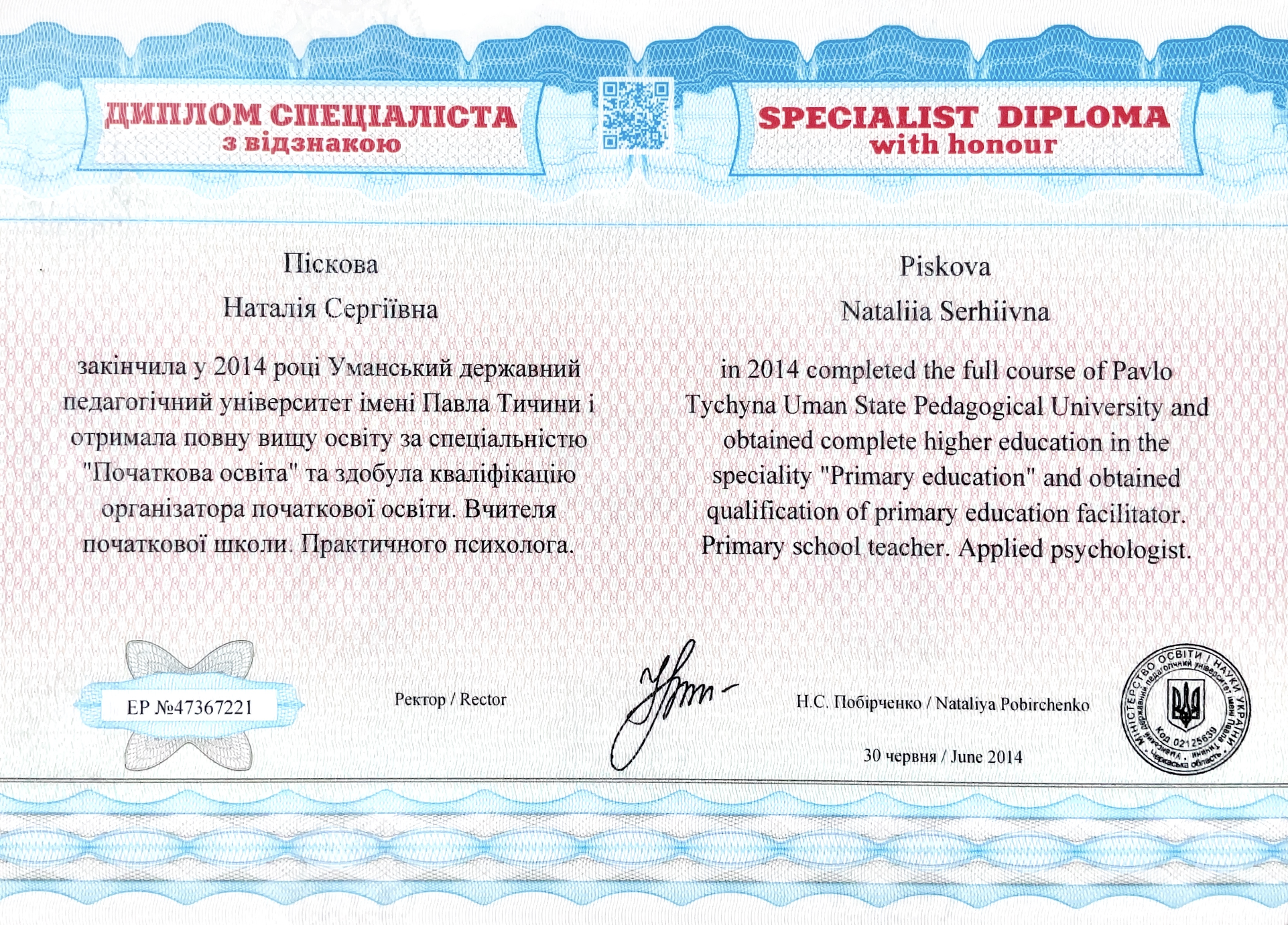
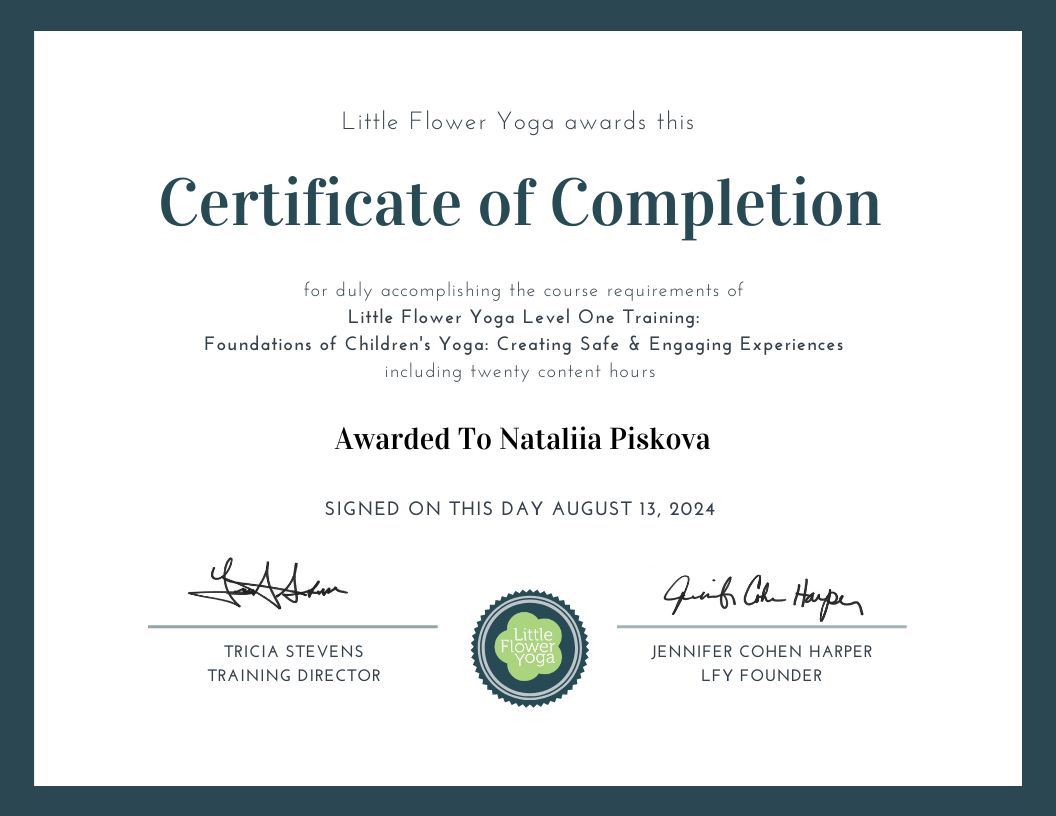
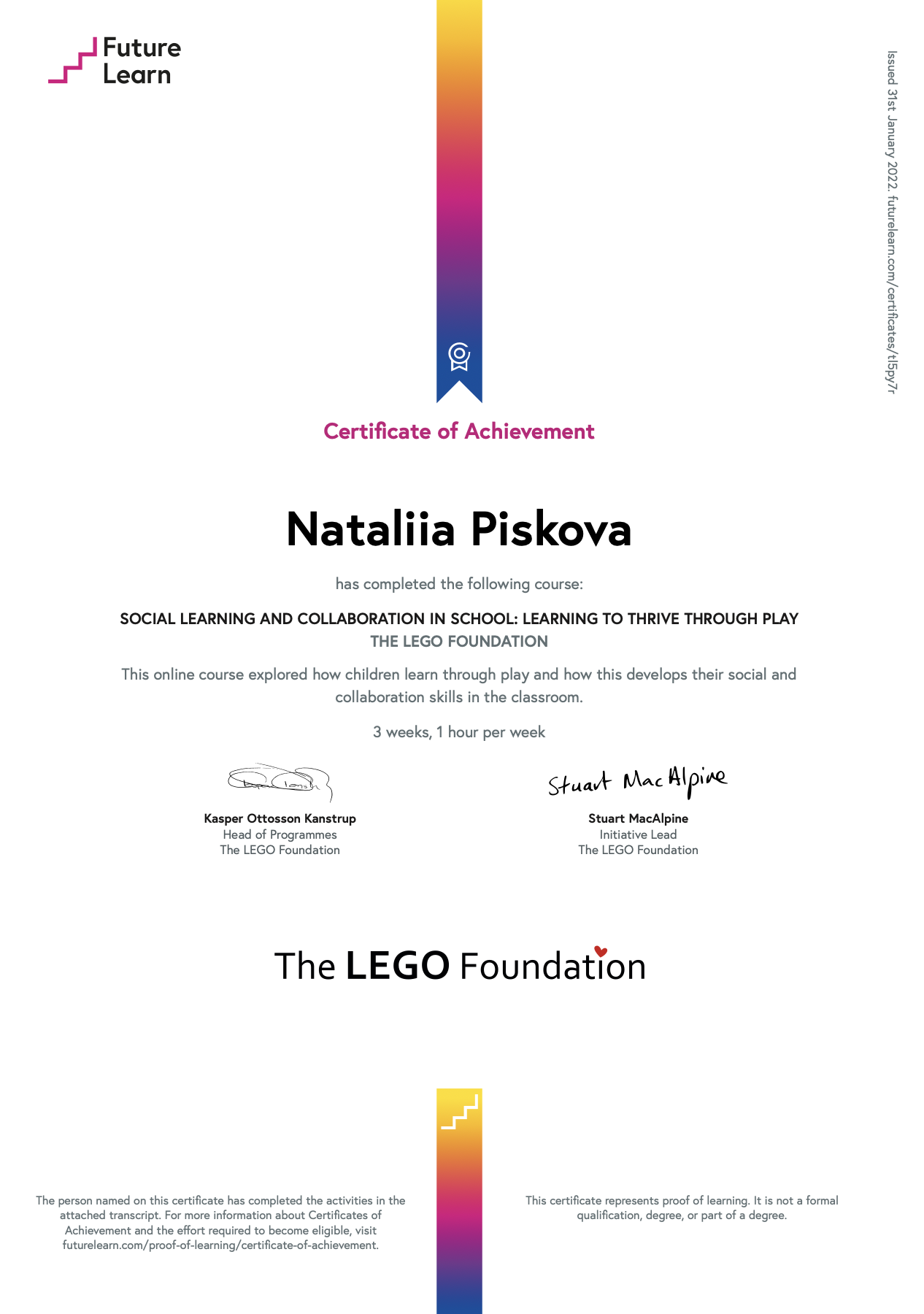
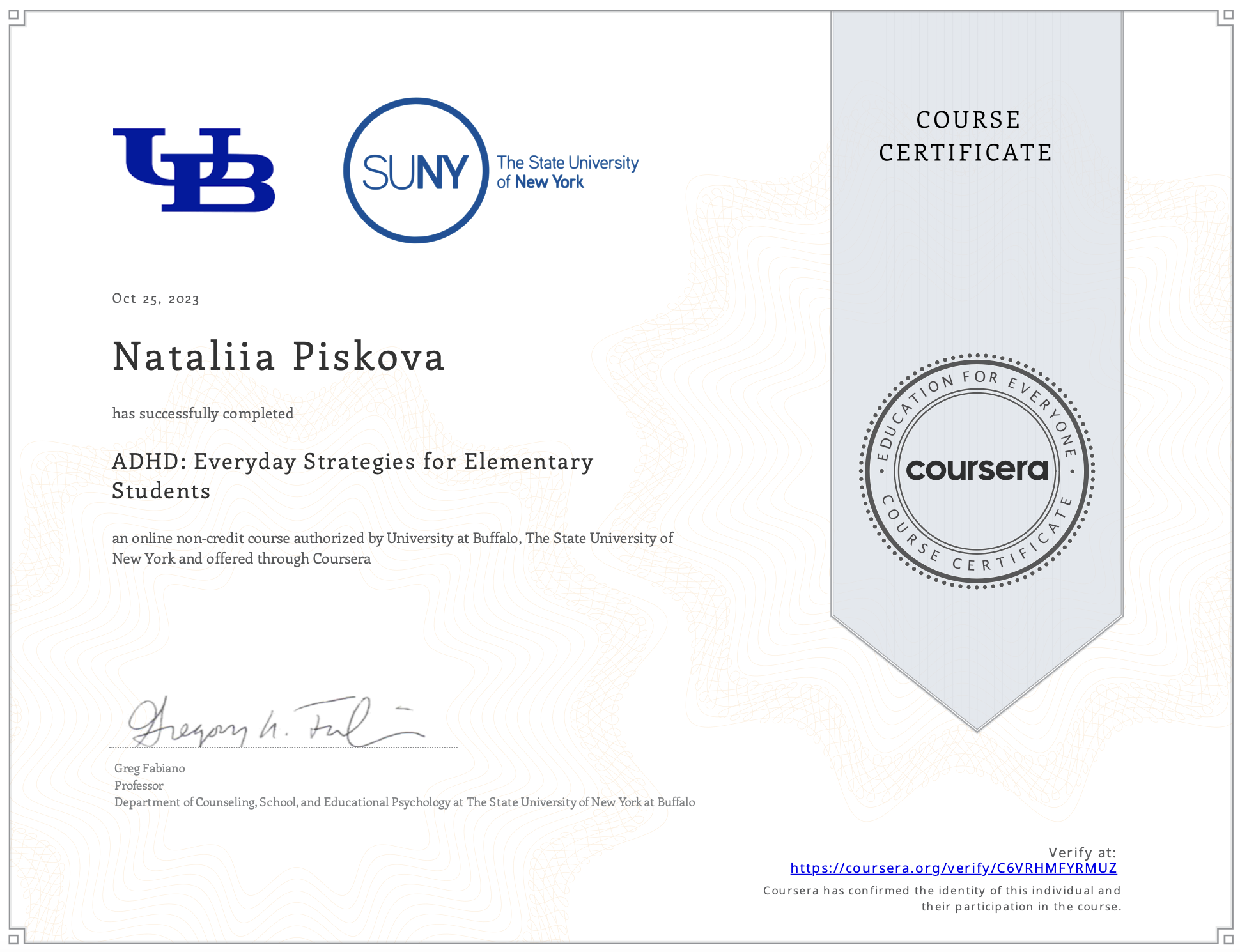
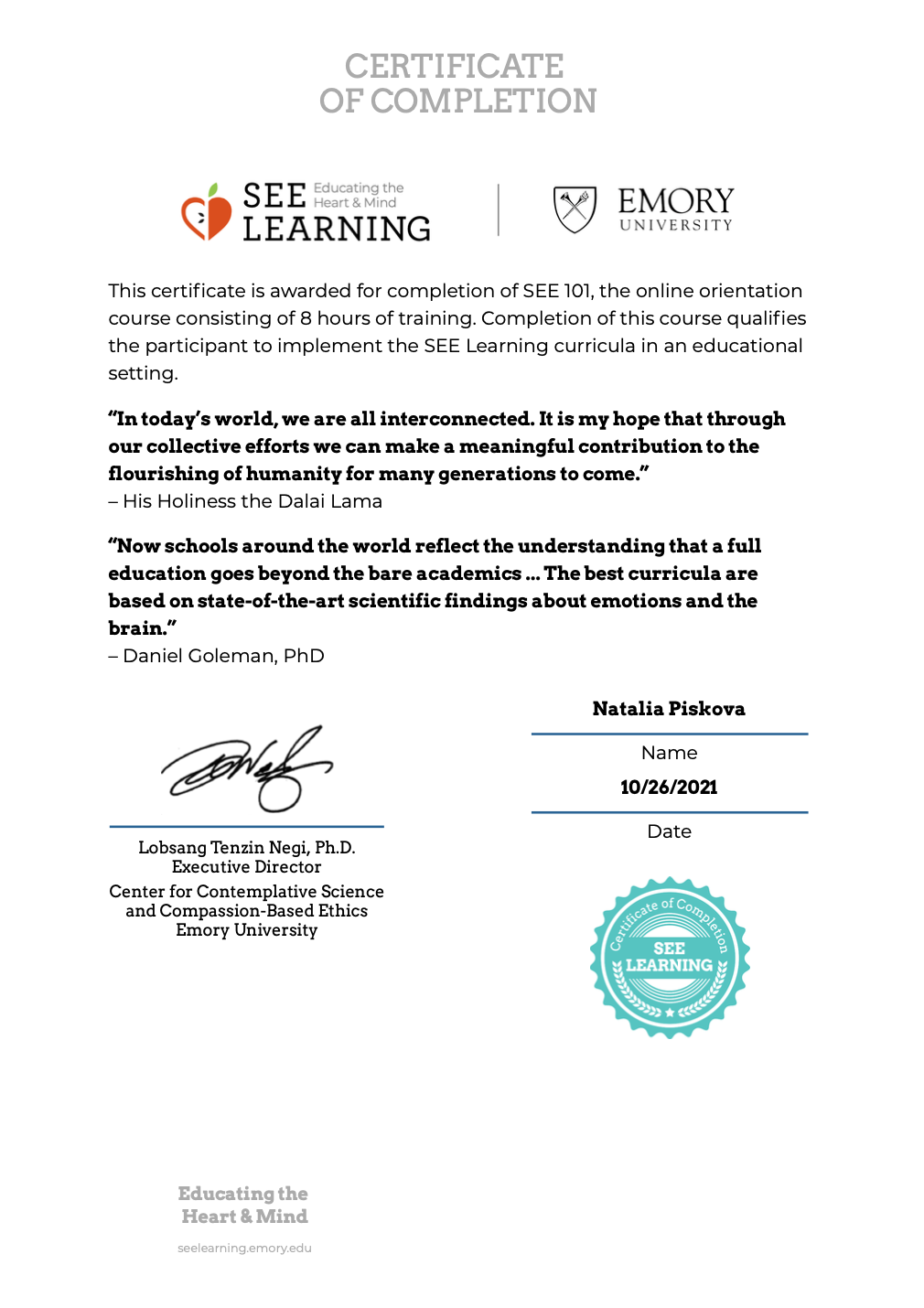
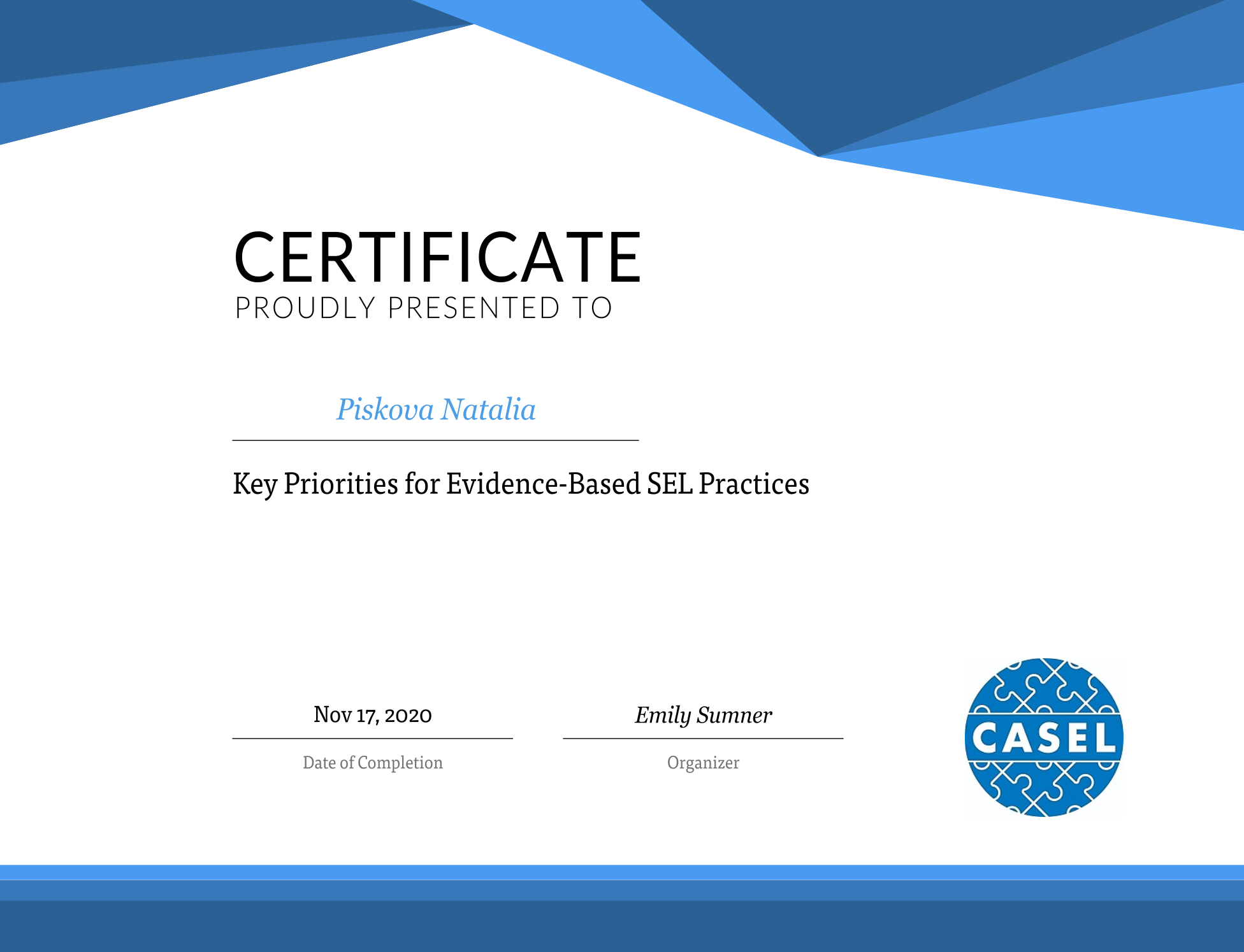
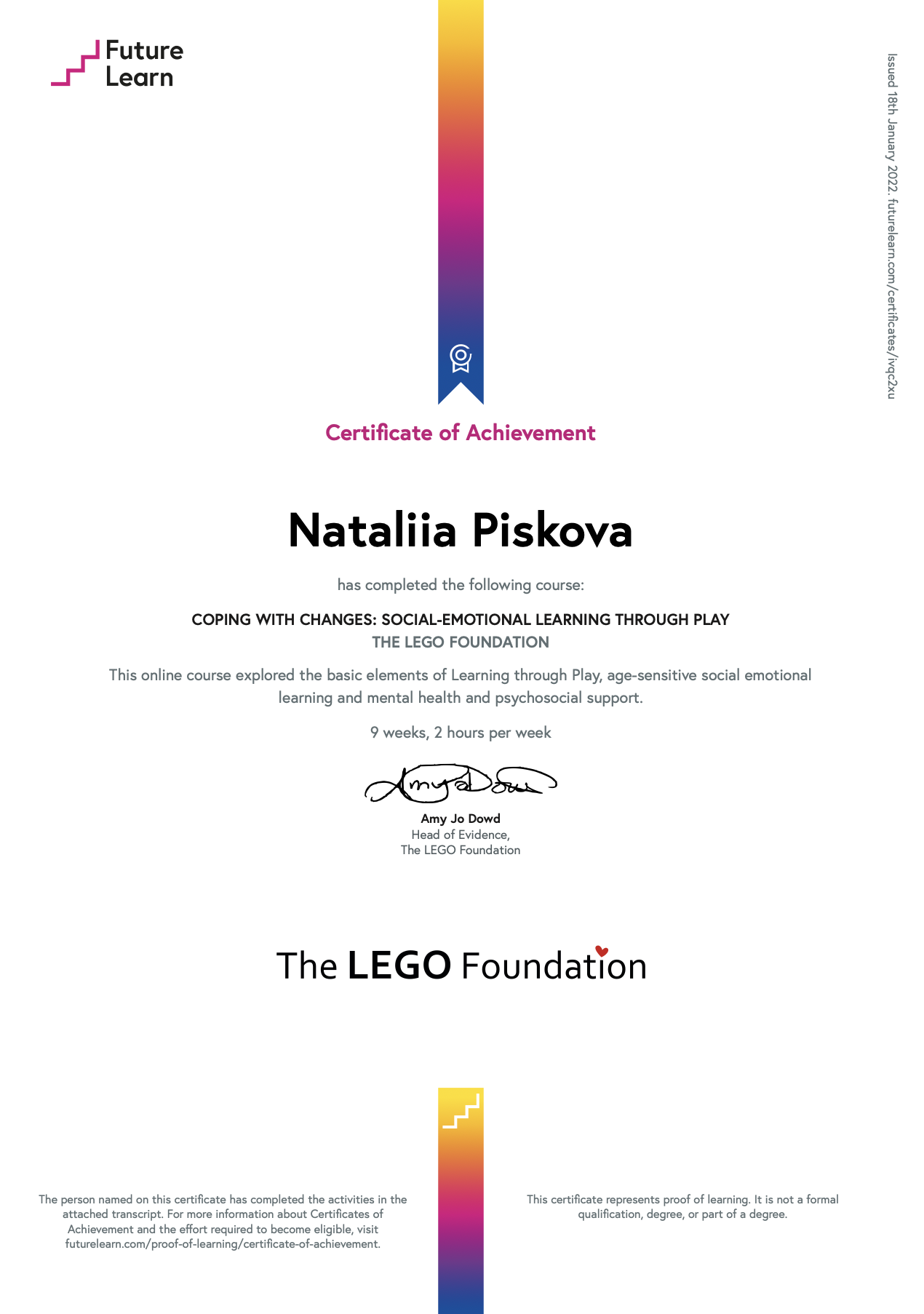
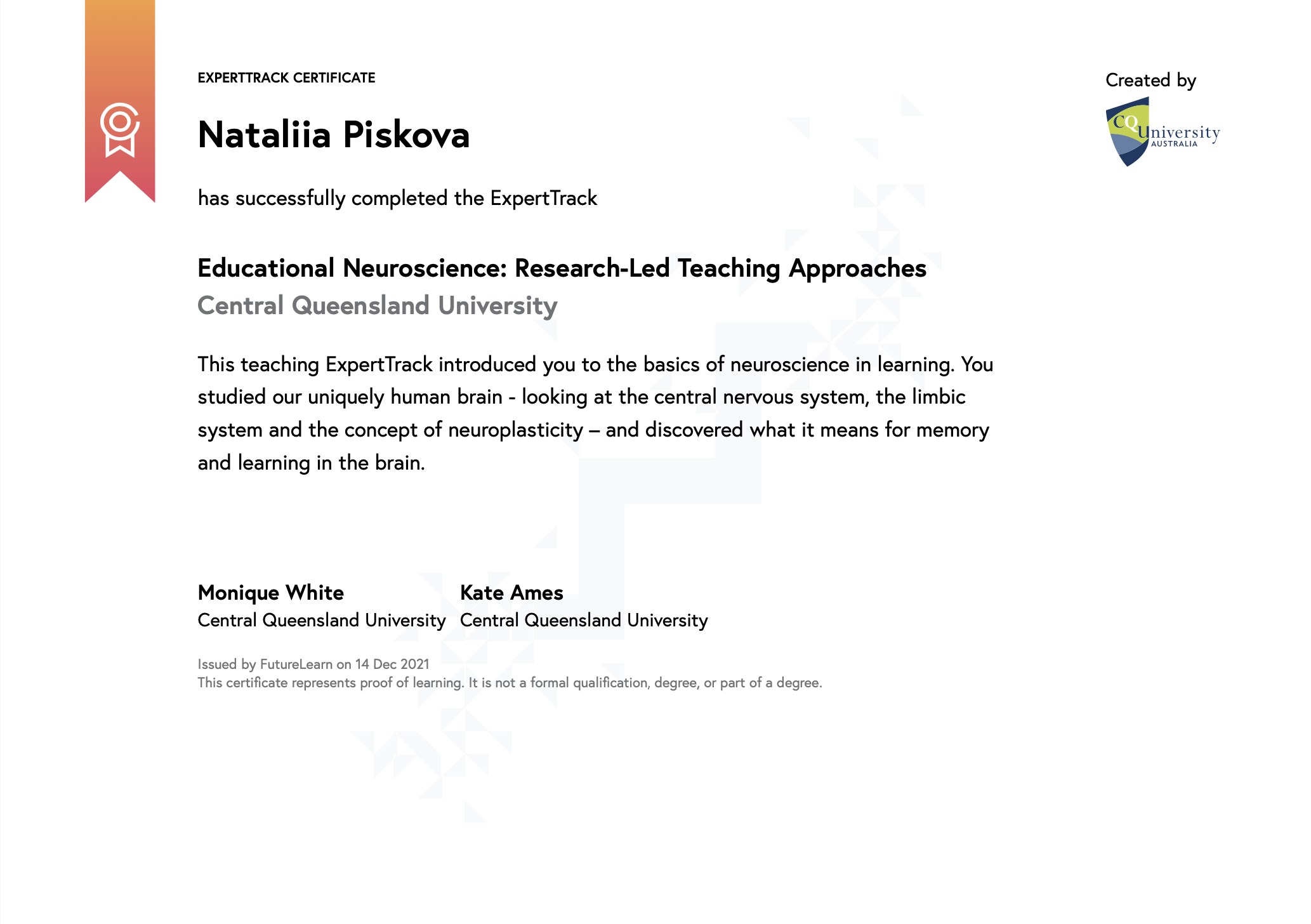
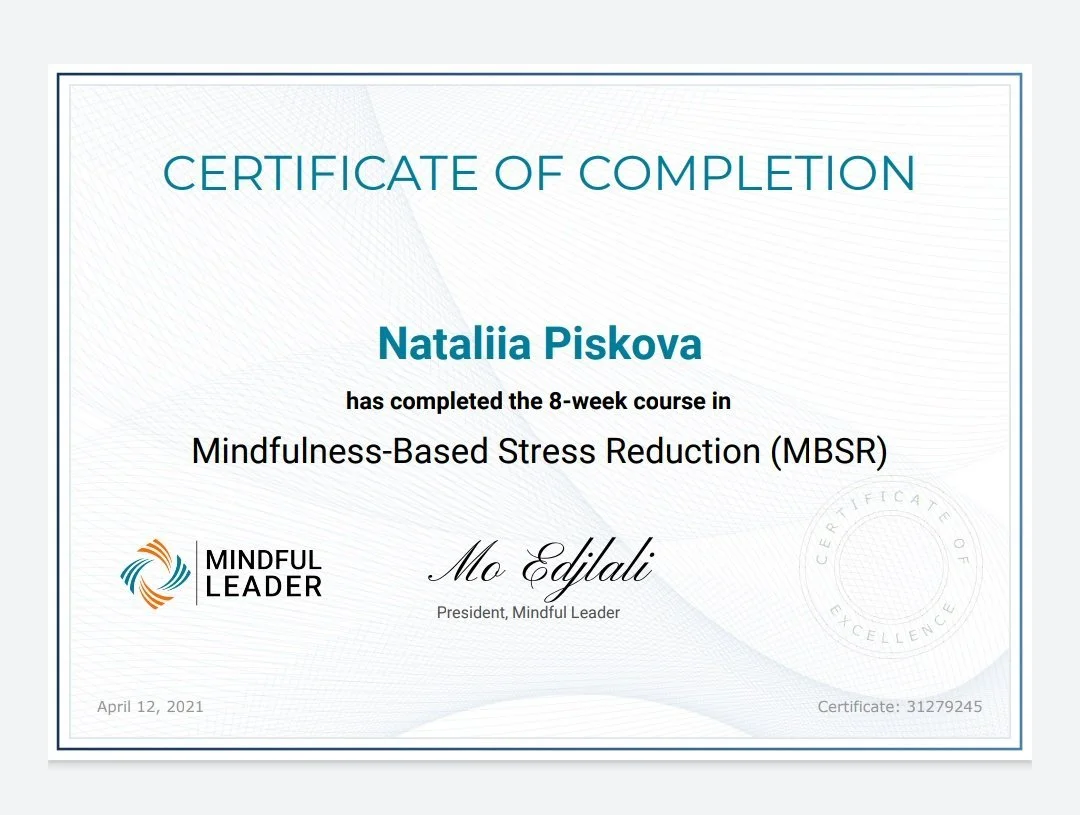
I'm multidisciplinary by design. My formal background spans education, applied psychology, mindfulness, children's yoga, and educational neuroscience.
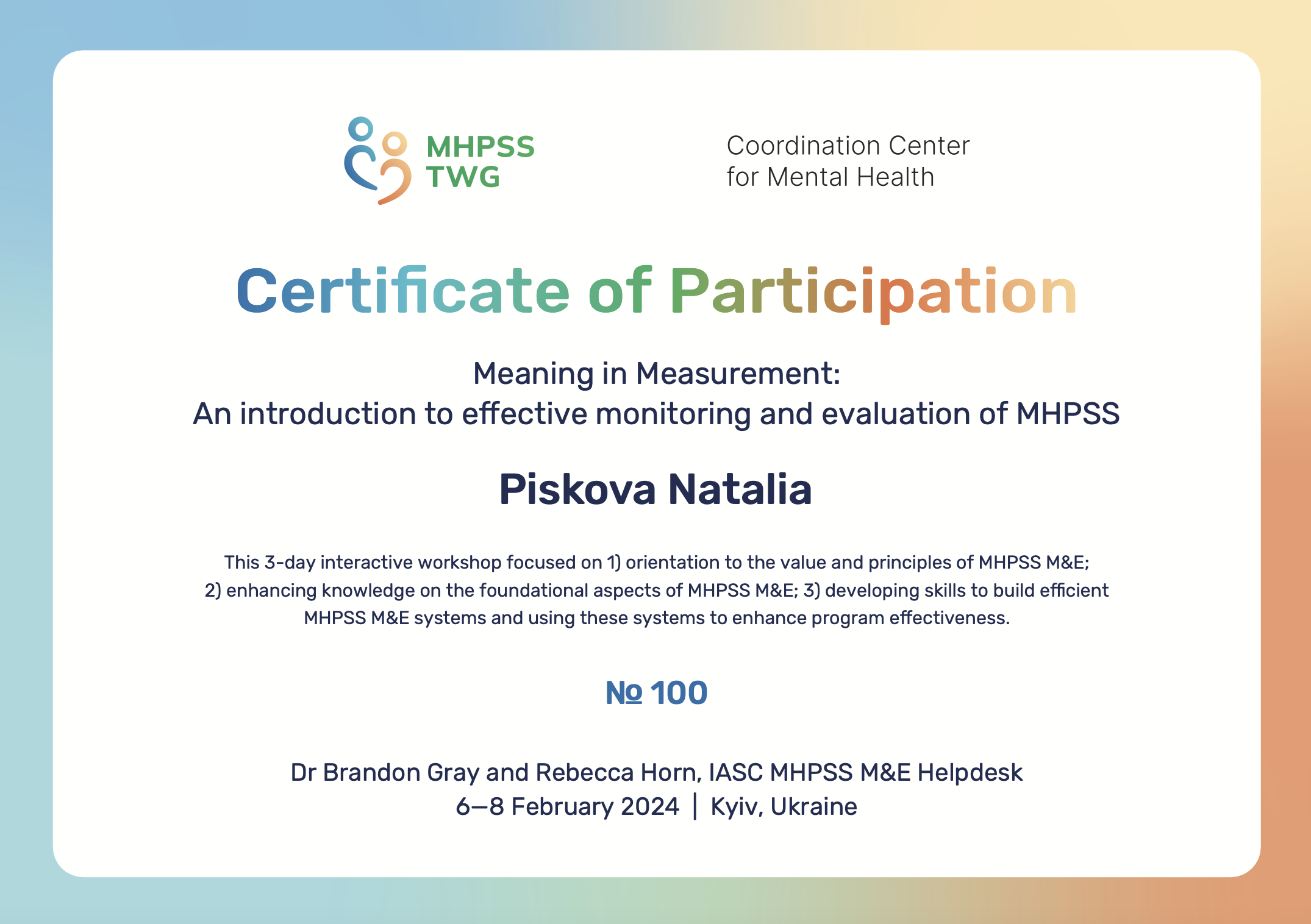
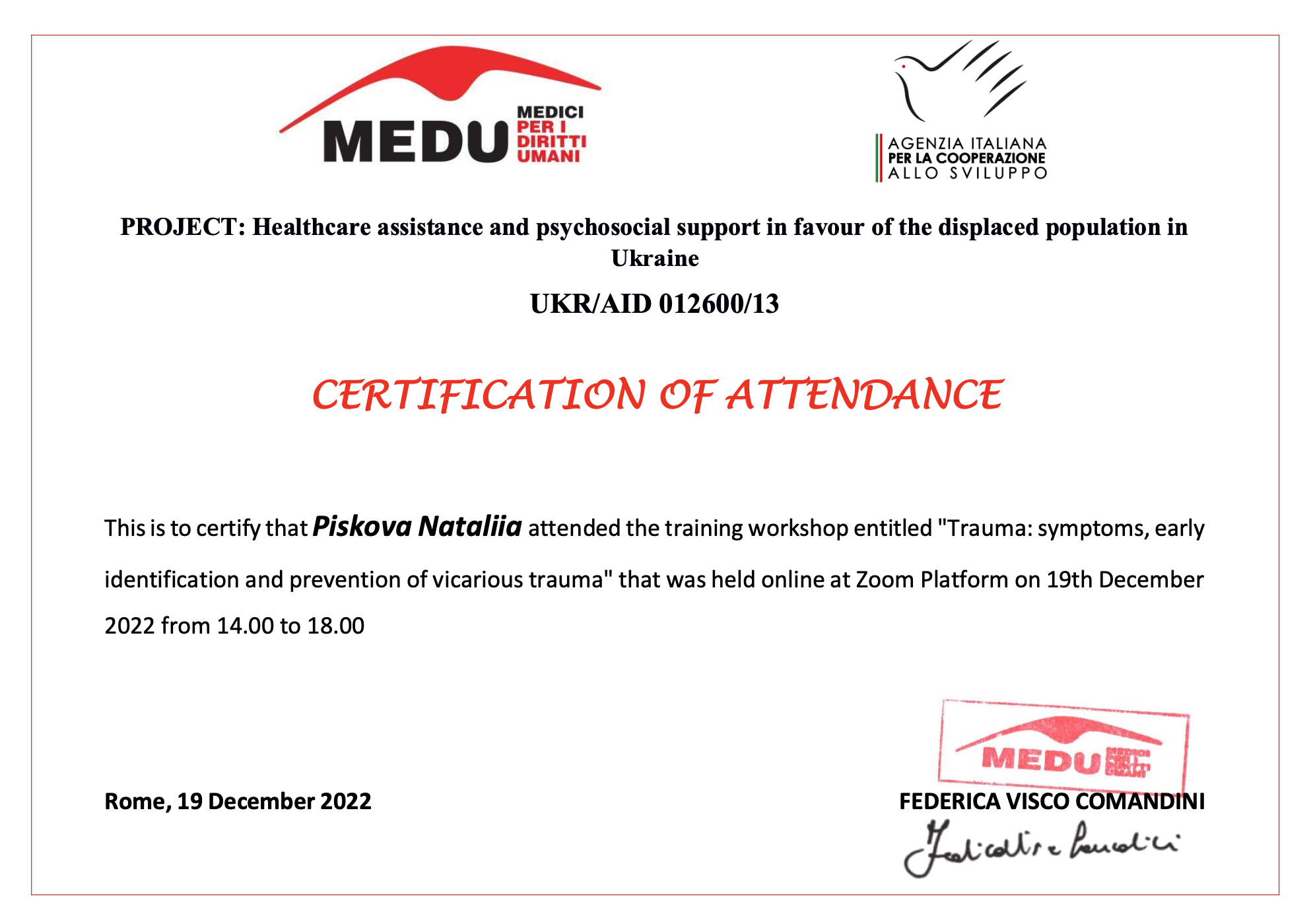
I've trained in trauma-sensitive approaches, social-emotional education, and MHPSS principles grounded in the IASC framework.
The certificates are real. But what they really represent is a pattern: I follow what the work needs, not what a single discipline allows.
I facilitate, co-create, and consult.
If something resonated, I'd love to hear from you.