The School of Joy
mindfulness-based emotional resilience program for children and youth
The School of Joy began as a quiet idea in the summer of 2022 — a response to the early months of the full-scale war, when life felt unstable and childhood felt fragile. I imagined a simple framework: a “school under the open sky,” rooted in movement, mindfulness, creativity, and the belief that children learn and heal best when their nervous systems feel safe. It resonated with the spirit of Ukrainian educator Vasyl Sukhomlynsky, who believed deeply in the emotional life of children.
For almost two years the idea stayed in my notebook. Life kept moving, the war intensified, and although the concept stayed with me, I didn’t yet have the right place to bring it to life.
In the summer of 2024, that changed. Through circumstances that were both ordinary and meaningful, I met Laura Pauli, who became the godmother of the project. Her support made it possible to take the School of Joy exactly where it belonged: Berizky Artistic Lyceum in Mykolaiv region — a boarding school that is home to children aged 3 to 18, including orphans and children deprived of parental care. It is a place where routine, community, and caring adults act as an anchor in children’s daily lives. It also became the first real home of the School of Joy.
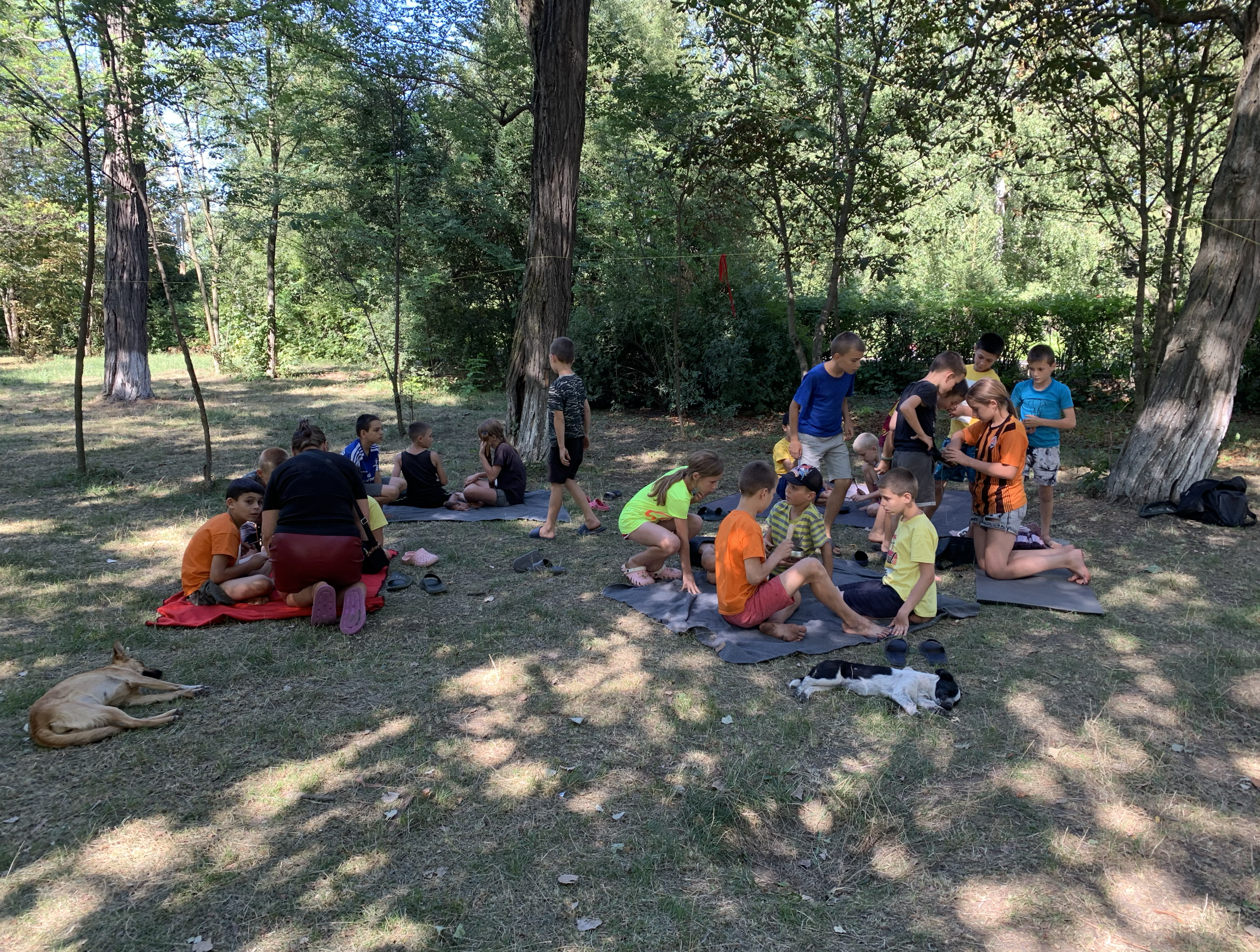
Summer 2024 — the first School of Joy camp
When I started the program at Berizky in 2024, my priority was not to introduce concepts or talk about emotions. The first task was to help children regulate their bodies.
My approach is simple: if you shift biology, you shift psychology.
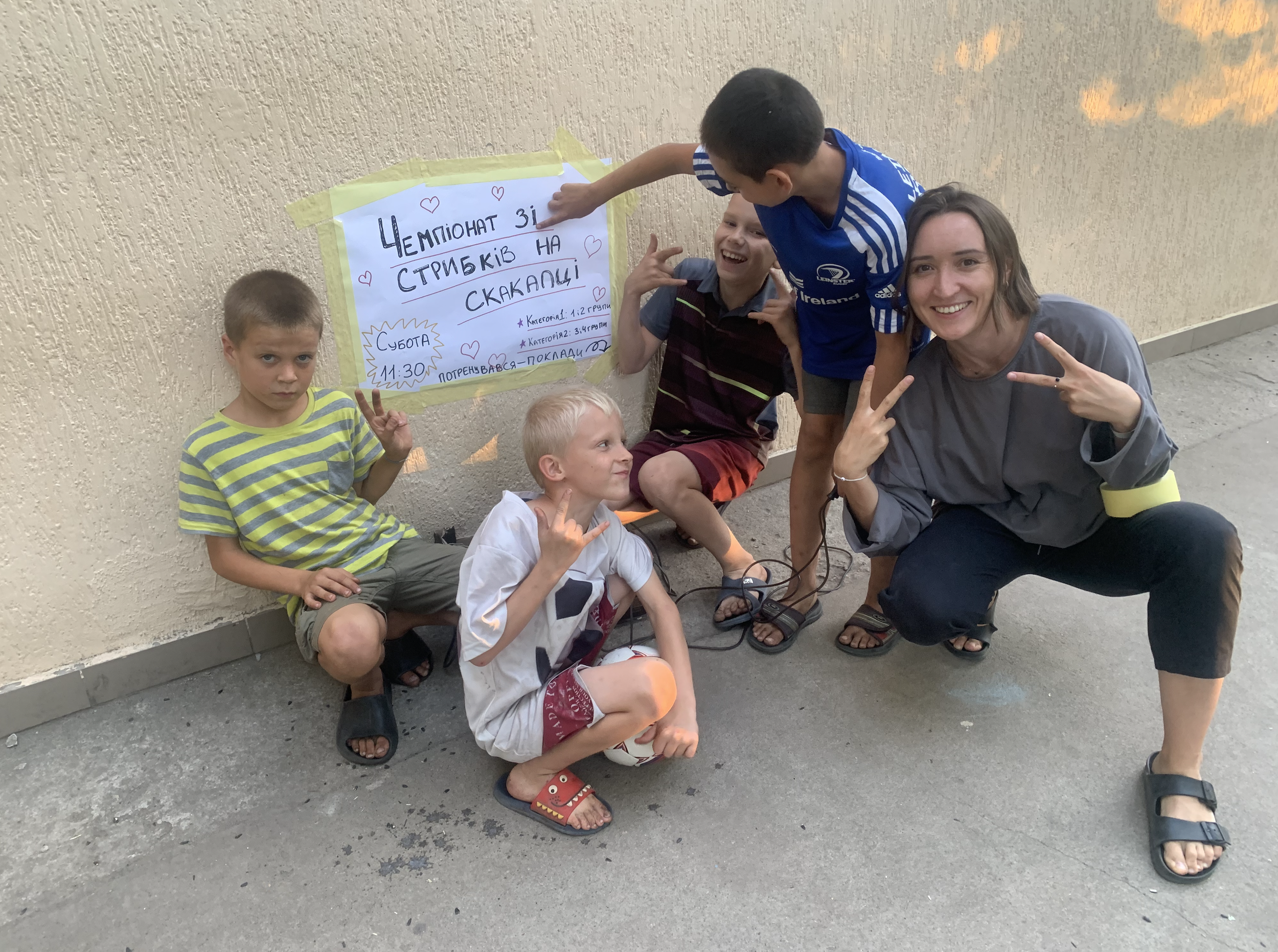
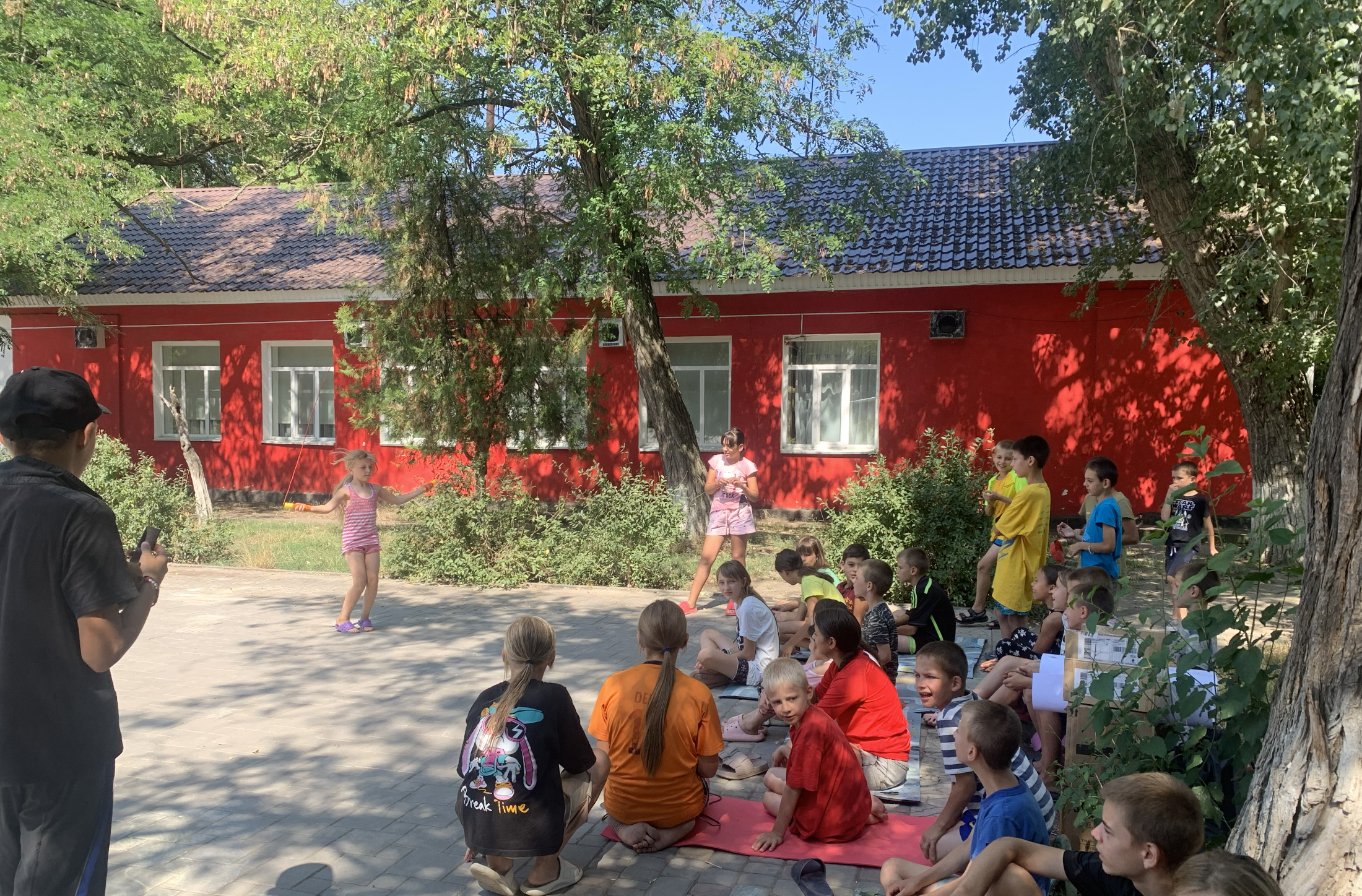
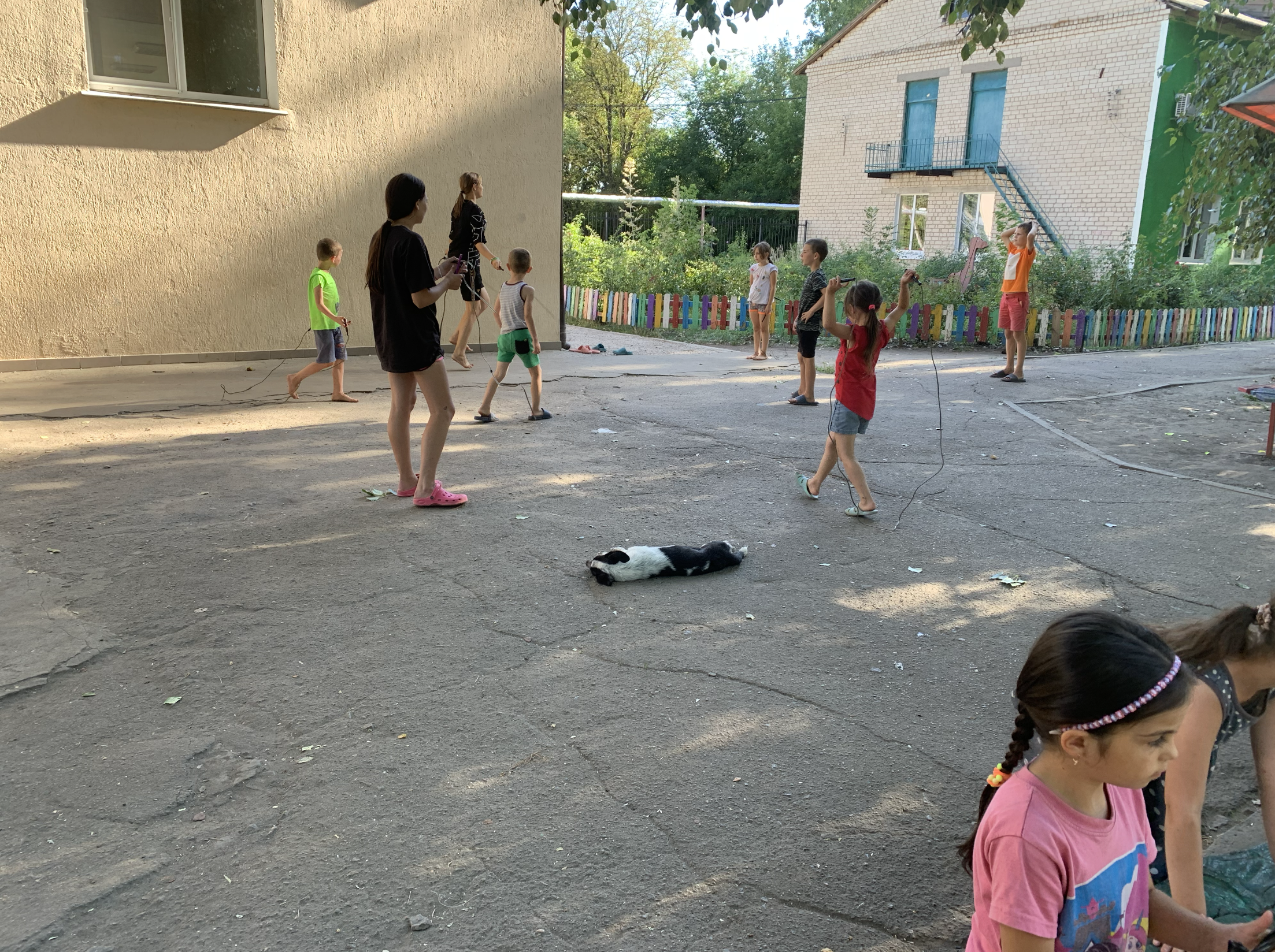
I centered the camp on rhythmic movement — especially jump rope — because it regulates energy, balances arousal, and helps children access a calmer, more receptive state. It was not an add-on activity; it was an intentional intervention. Once bodies settle, everything else becomes possible.
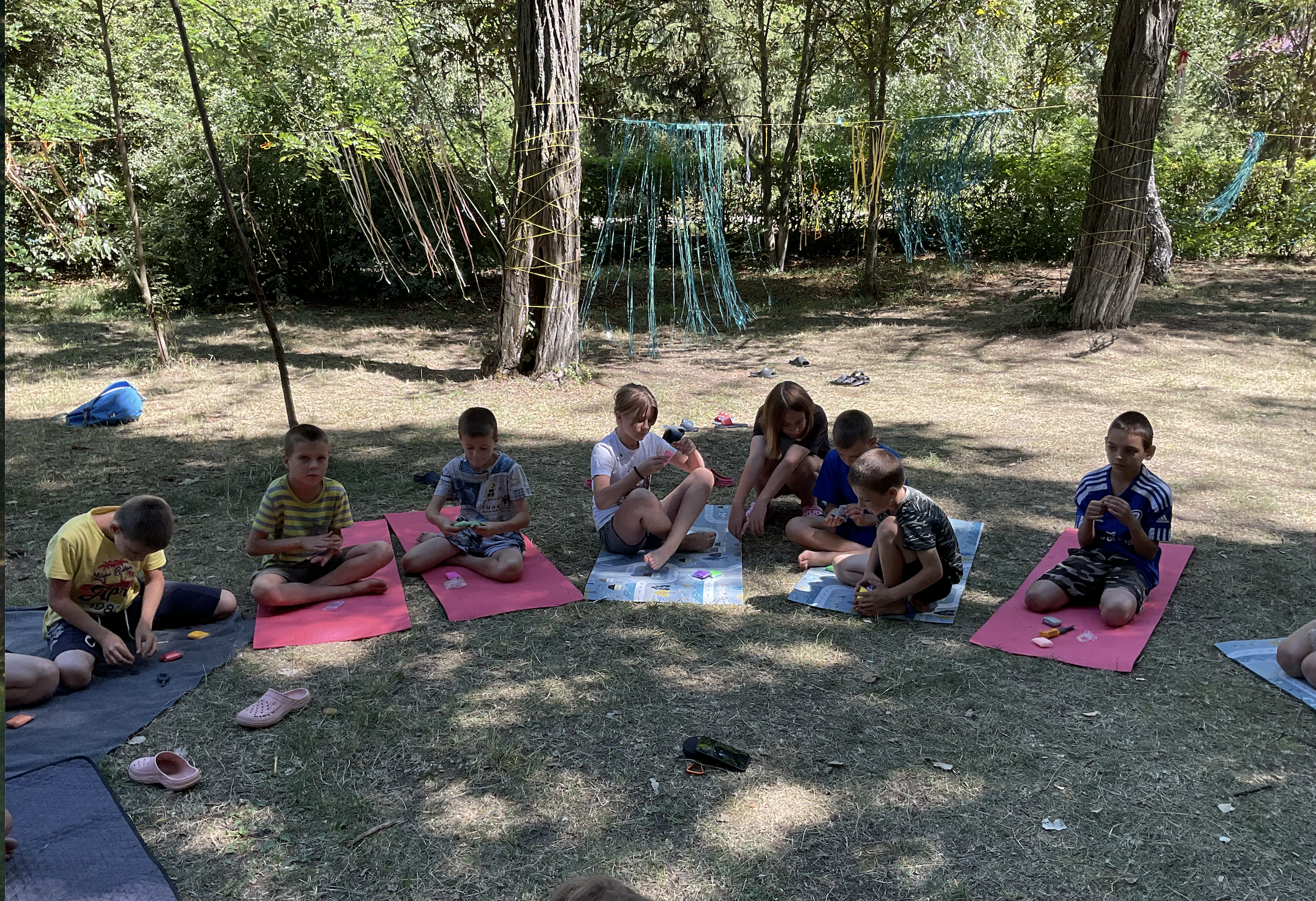
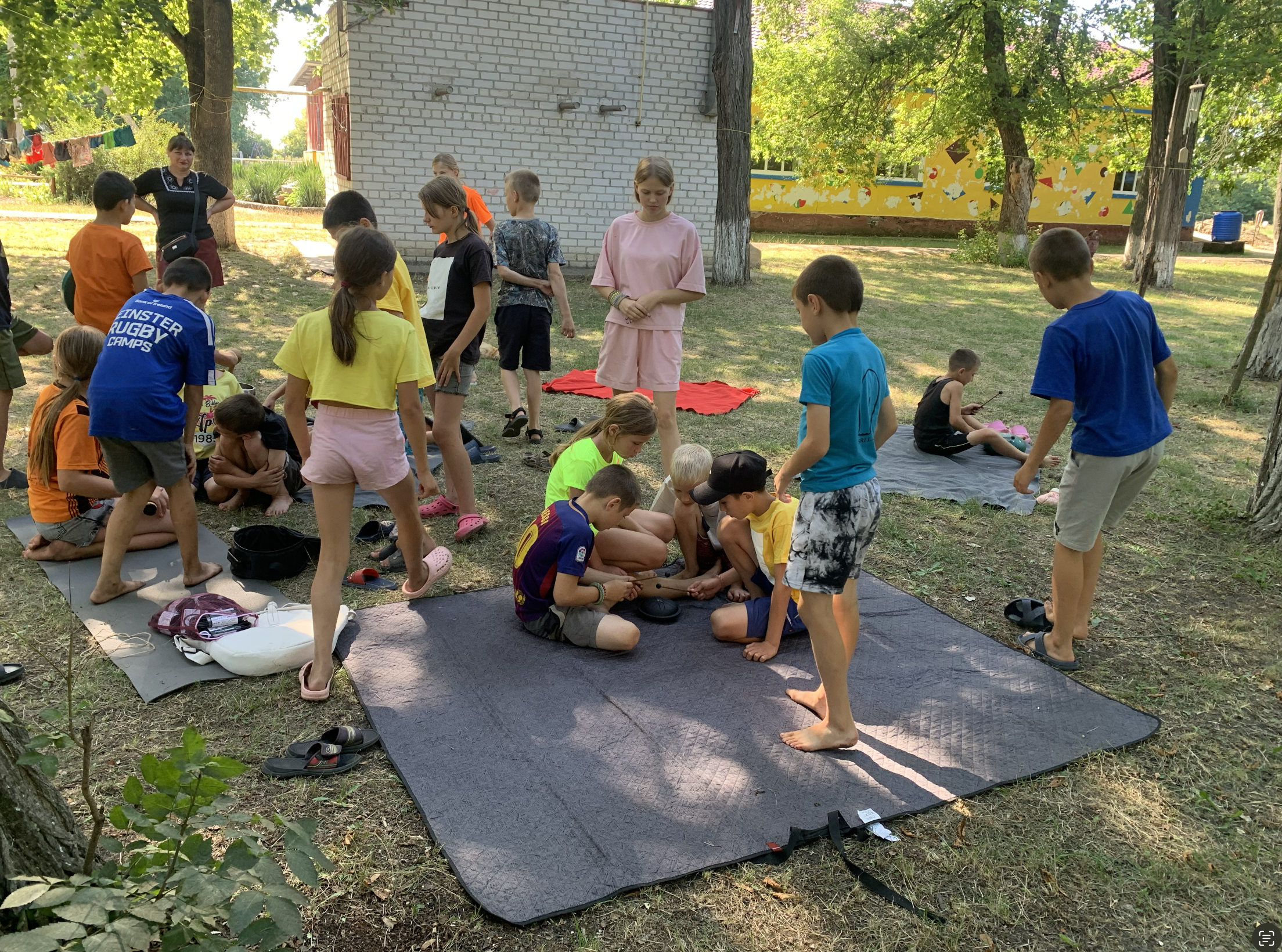
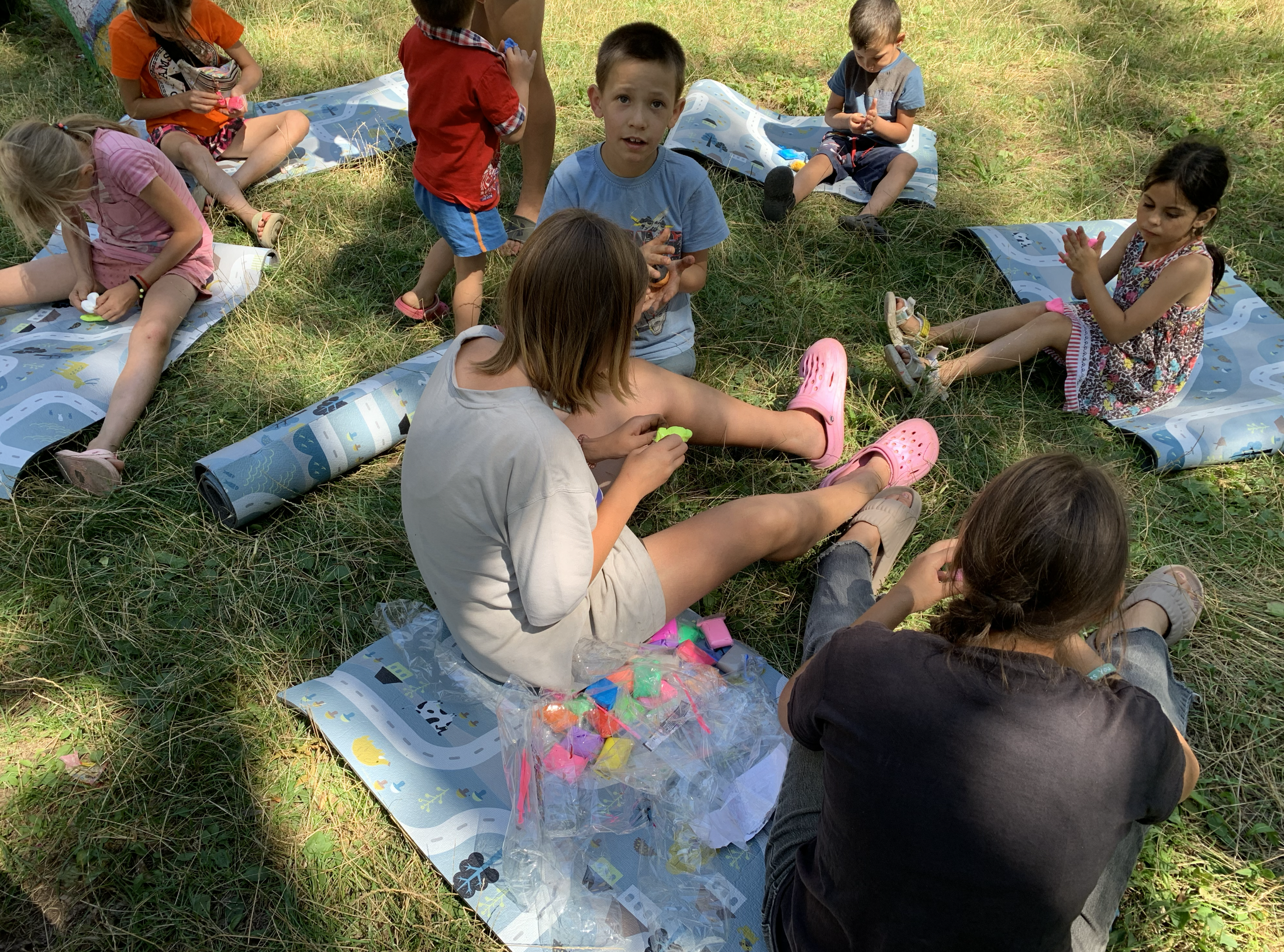
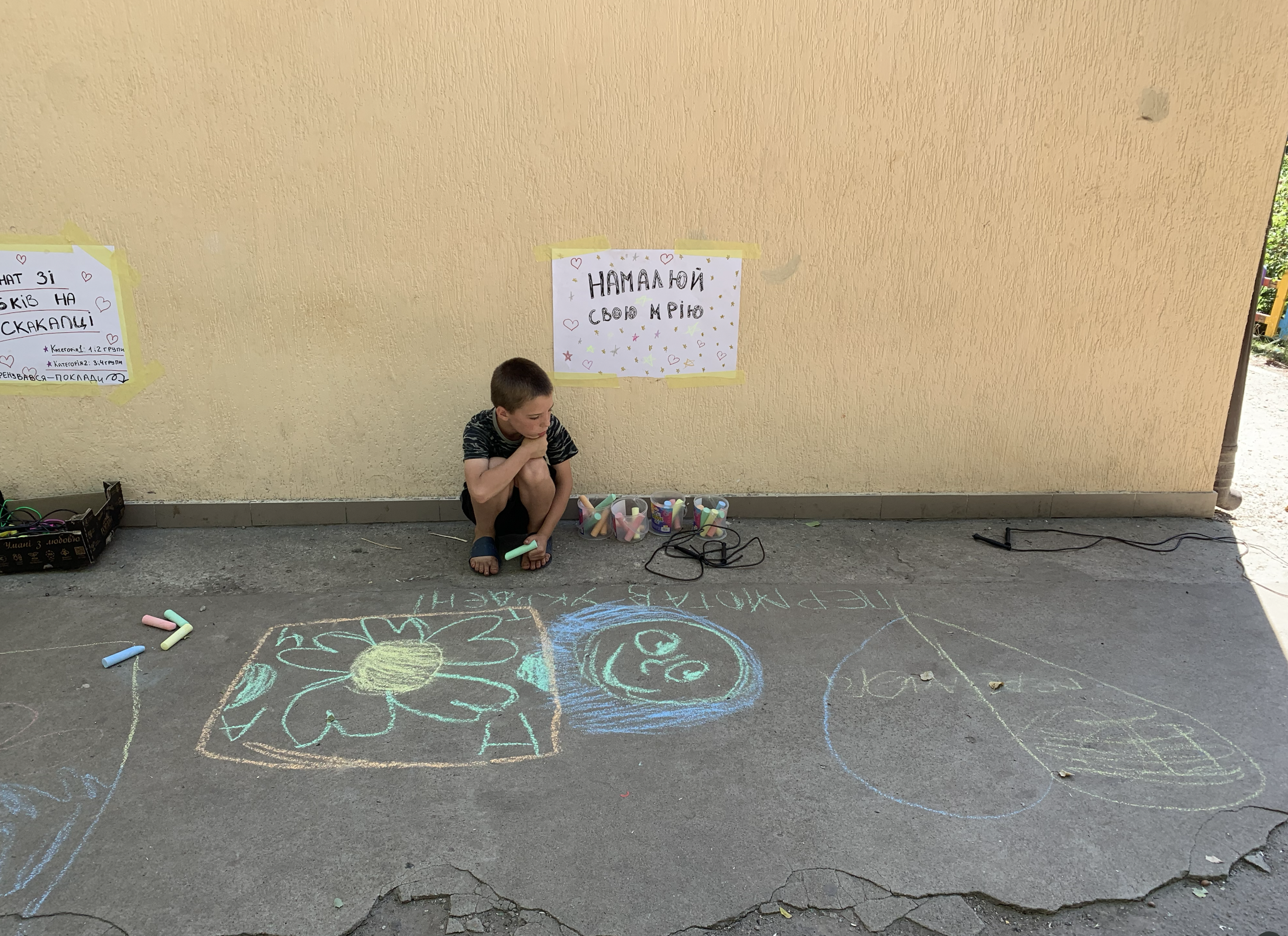
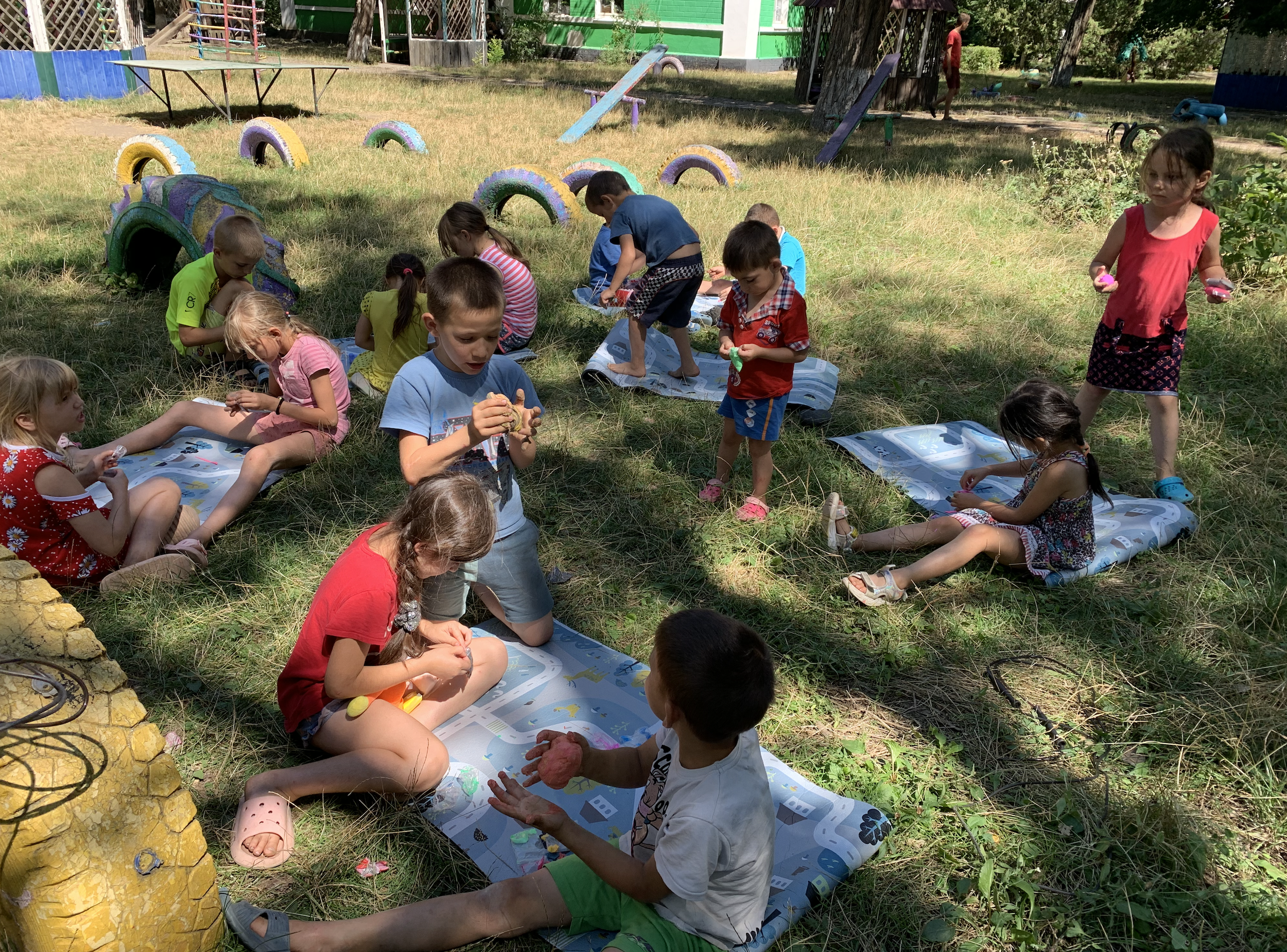
We added small contests, cooperative games, and creative tasks. The atmosphere became playful, not performative, which allowed us to gradually introduce short mindful pauses, simple breathing work, and expressive art. Nothing heavy or clinical — just gentle space where children could feel, move, draw, and notice themselves with less pressure.
After the camp ended, we continued monthly follow-up sessions throughout the school year. This continuity mattered. The practices became familiar, and the method started to feel like something that belonged to their everyday environment rather than an external event..
Summer 2025 — deepening the work
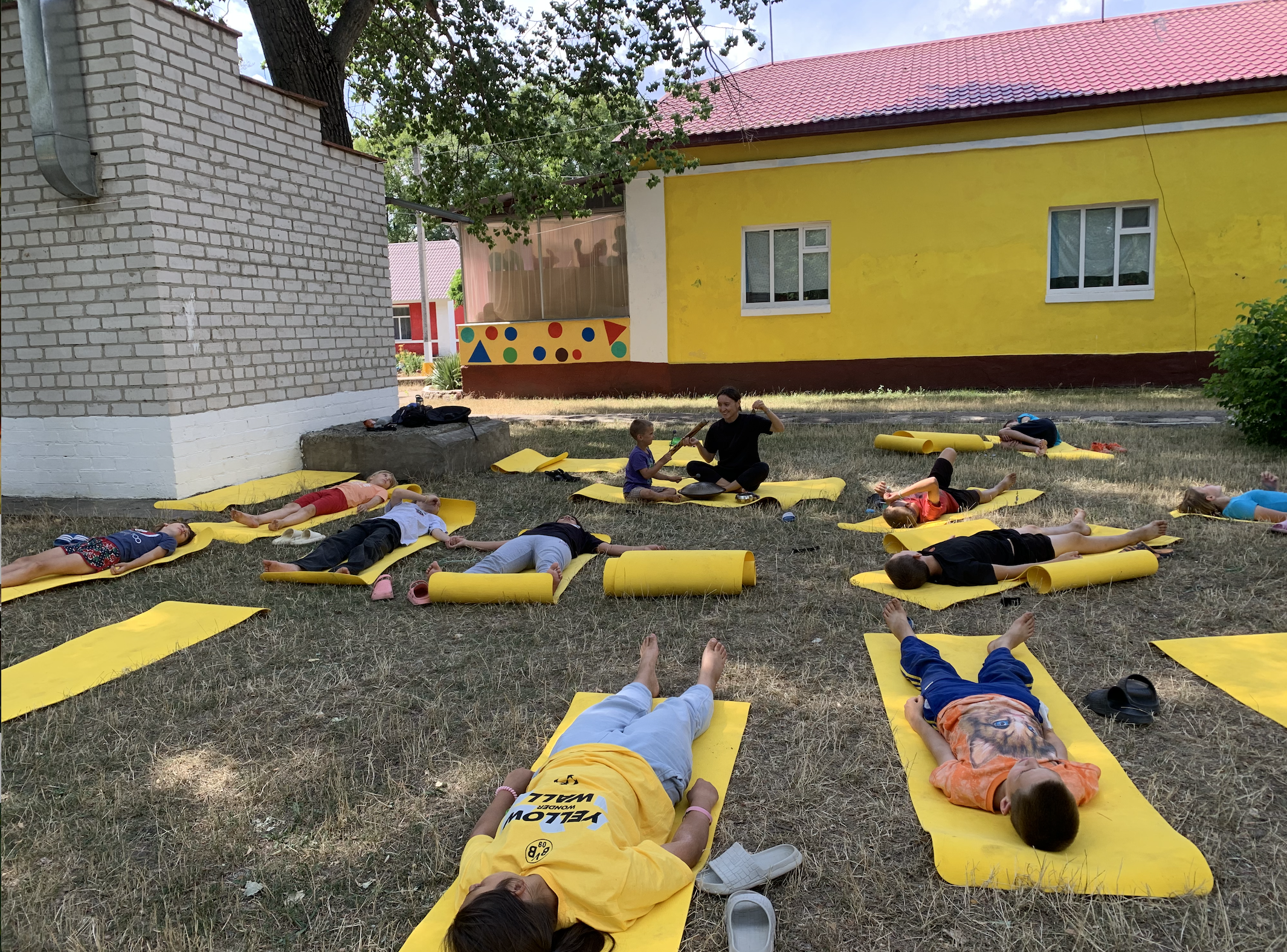
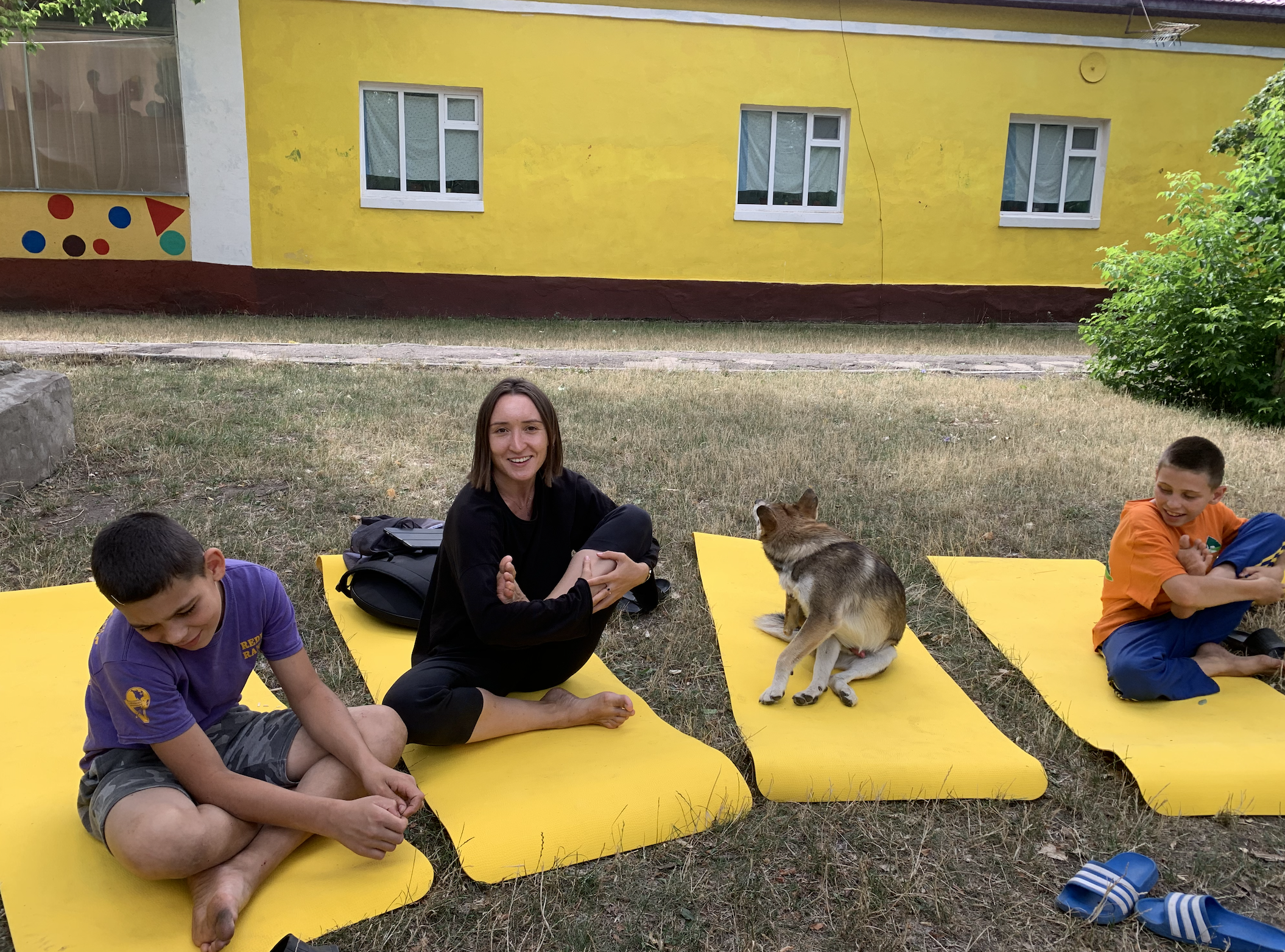
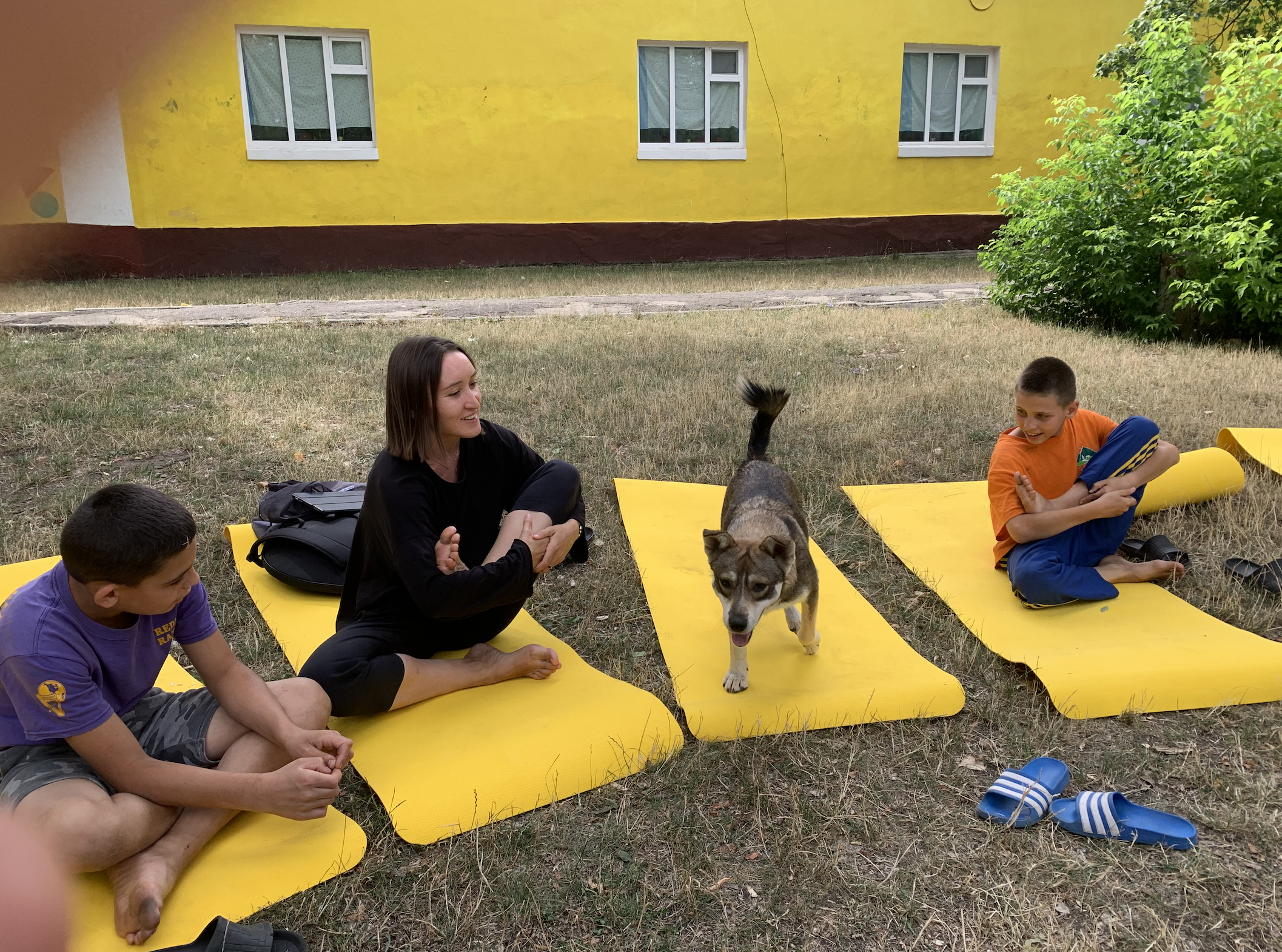
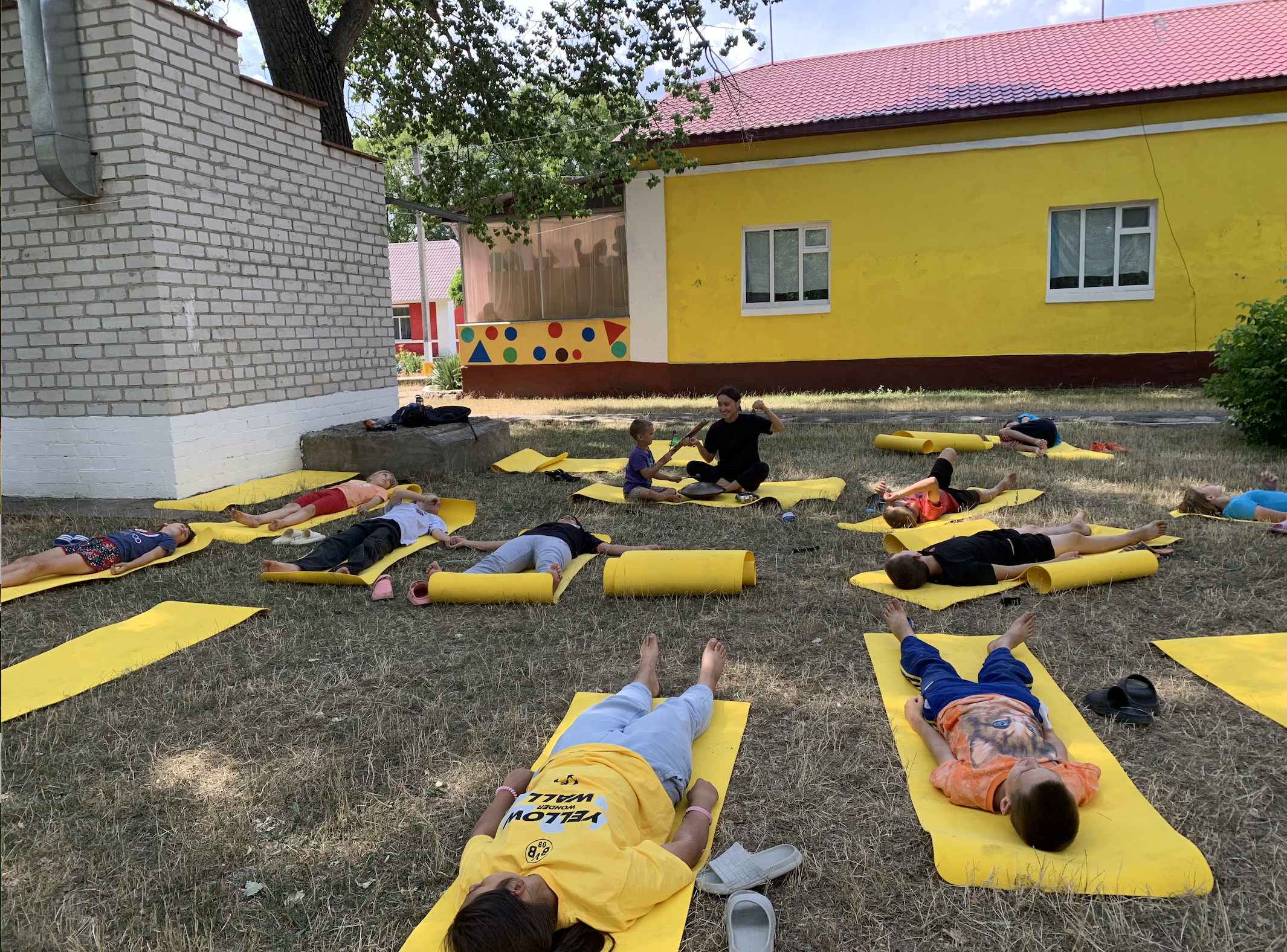
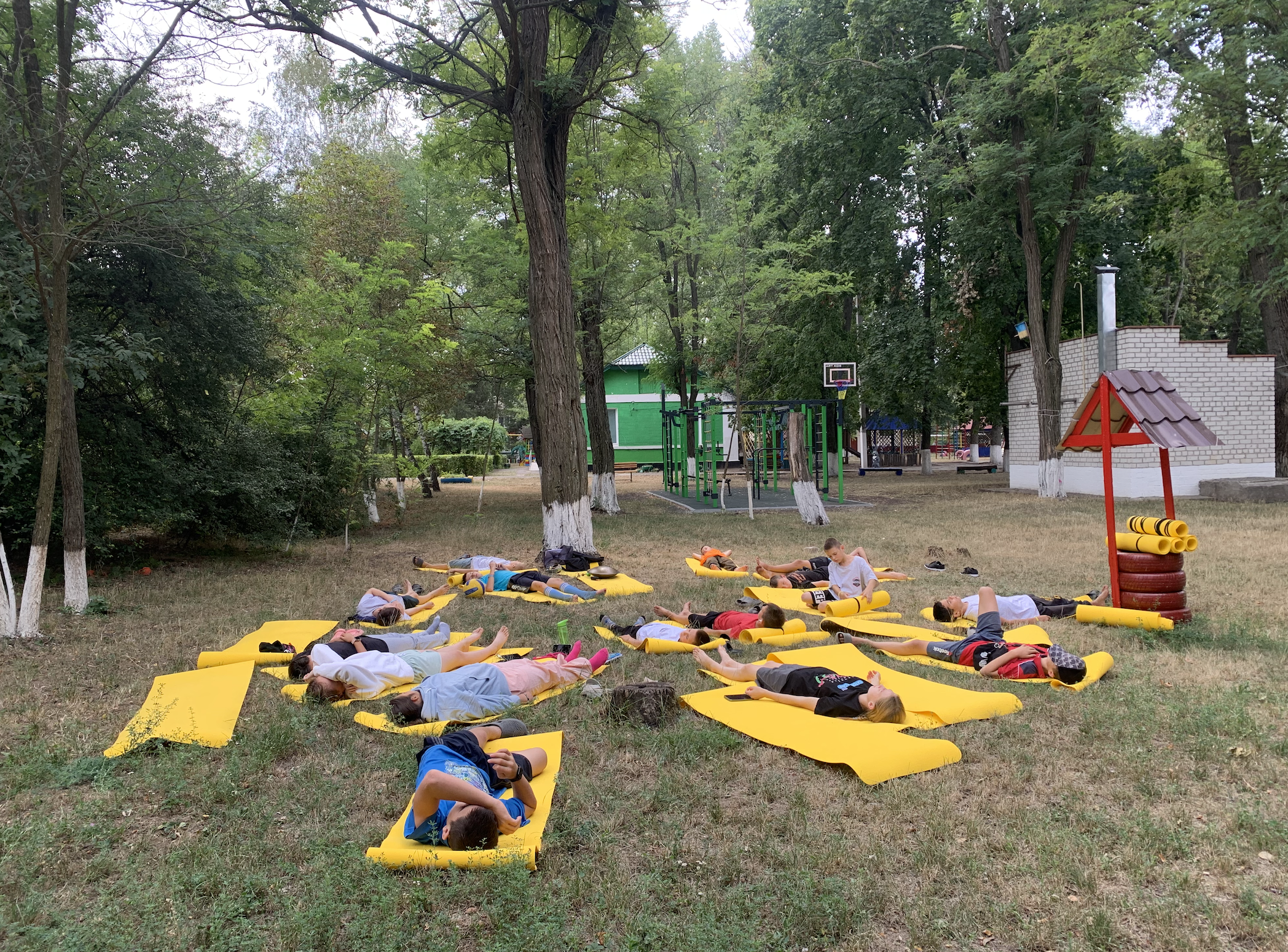
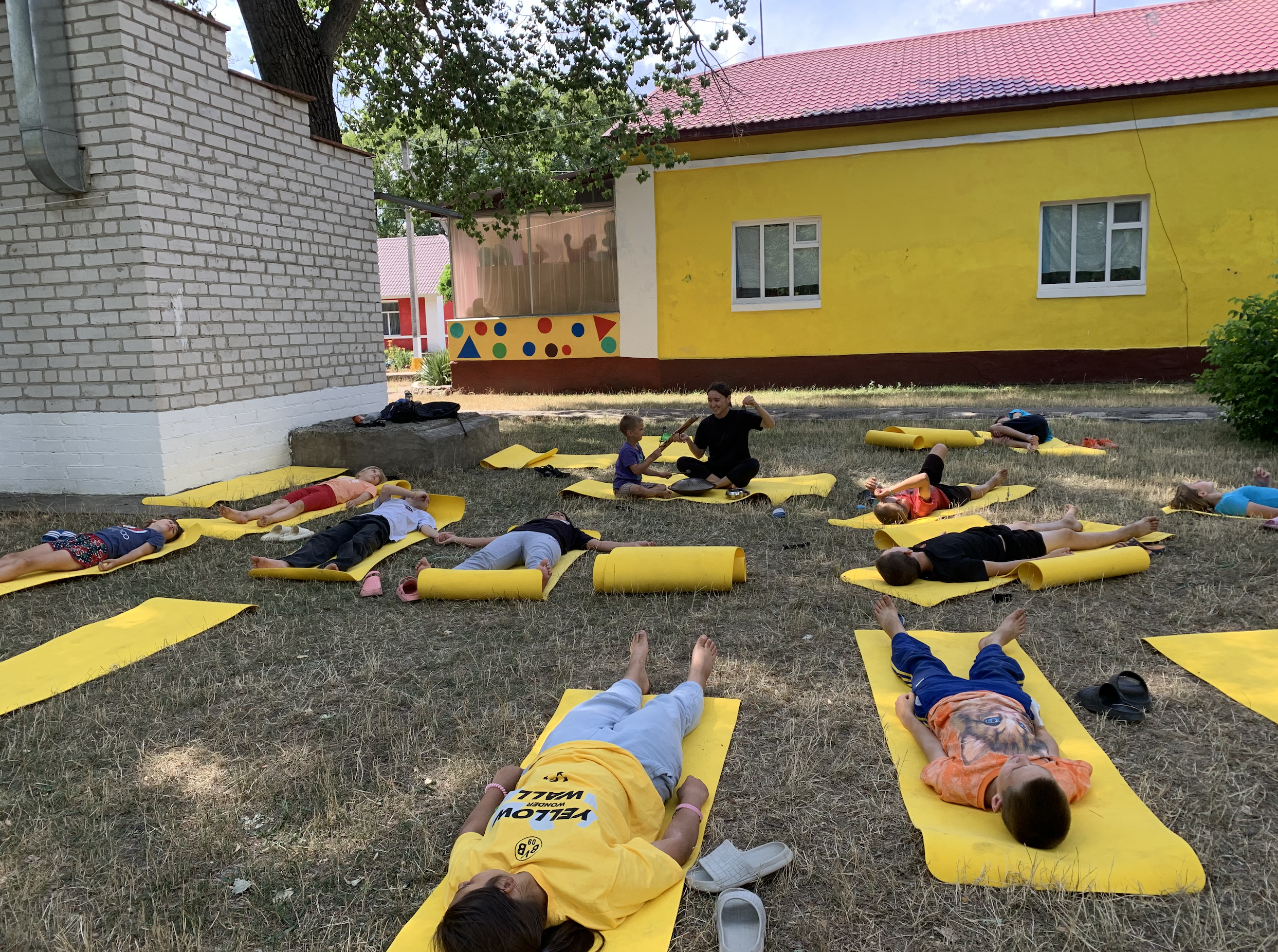
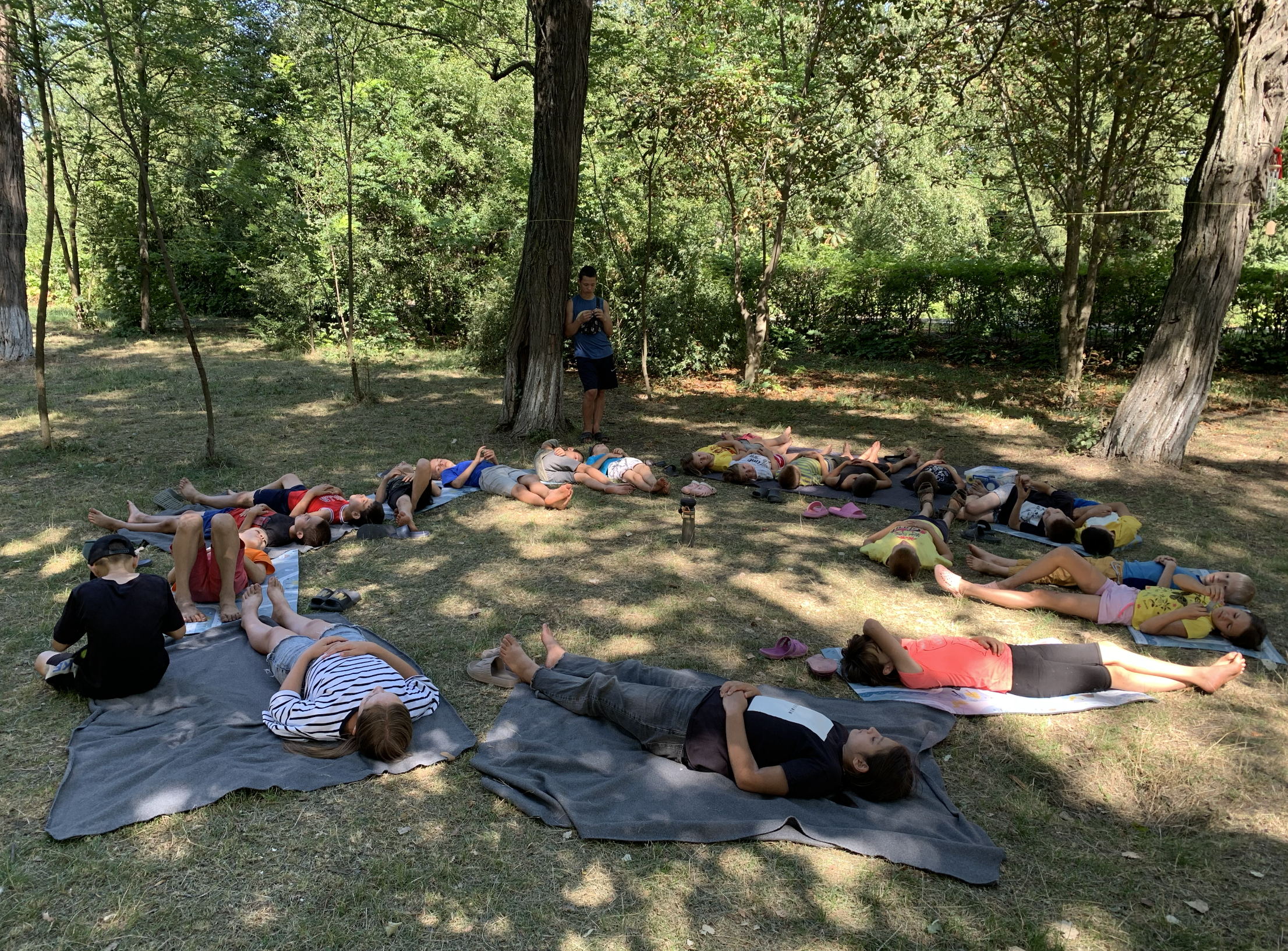
Returning to Berizky in 2025 felt natural because there was already a shared experience to build on. Instead of starting from scratch, we expanded the practice into more structured mindfulness, simple yoga sequences, grounding work, and longer guided moments.
The children were ready for it. Their bodies recognized the rhythm of the sessions, and we could introduce more subtle elements — breathing that supported emotional regulation, partner exercises that cultivated trust, and creative activities that linked thoughts, sensations, and expression. The camp grew organically from what we had already built together the previous year.
A method rooted in the body, the nervous system, and play
The School of Joy is not a single program. It is a flexible framework built on several principles:
Embodied mindfulness: short, accessible practices that help children feel safe in their bodies.
Nervous system literacy: understanding sensations, boundaries, and stress responses in simple, child-appropriate language.
Play as a learning platform: games, movement, color, imagination — because children open much faster through play than through explanations.
Creativity as expression: drawing, storytelling, and small rituals that help children translate inner experience into something visible and understandable.
Consistency: repeated exposure through camps, follow-ups, and integration into school life, so the skills become part of their inner toolkit.
The method is structured but gentle, grounded in neuroscience but not heavy, and designed to blend into the natural environment of a school rather than feel like a clinical intervention.

Why it matters
The School of Joy is meaningful because it is realistic, human, and developmentally grounded. It does not promise quick transformation or emotional breakthroughs. Instead, it offers children and adults a steady, embodied way to stay connected to themselves — through movement, play, creativity, and mindful presence.
In a context where many children navigate uncertainty, communal living, and emotional complexity, these small, consistent practices help them build internal stability and a healthier relationship with their emotions and bodies.
Berizky gave the School of Joy its first home. The children gave it momentum. And the work continues — step by step, month by month — toward a school environment where wellbeing is not a special event but a natural part of daily life.
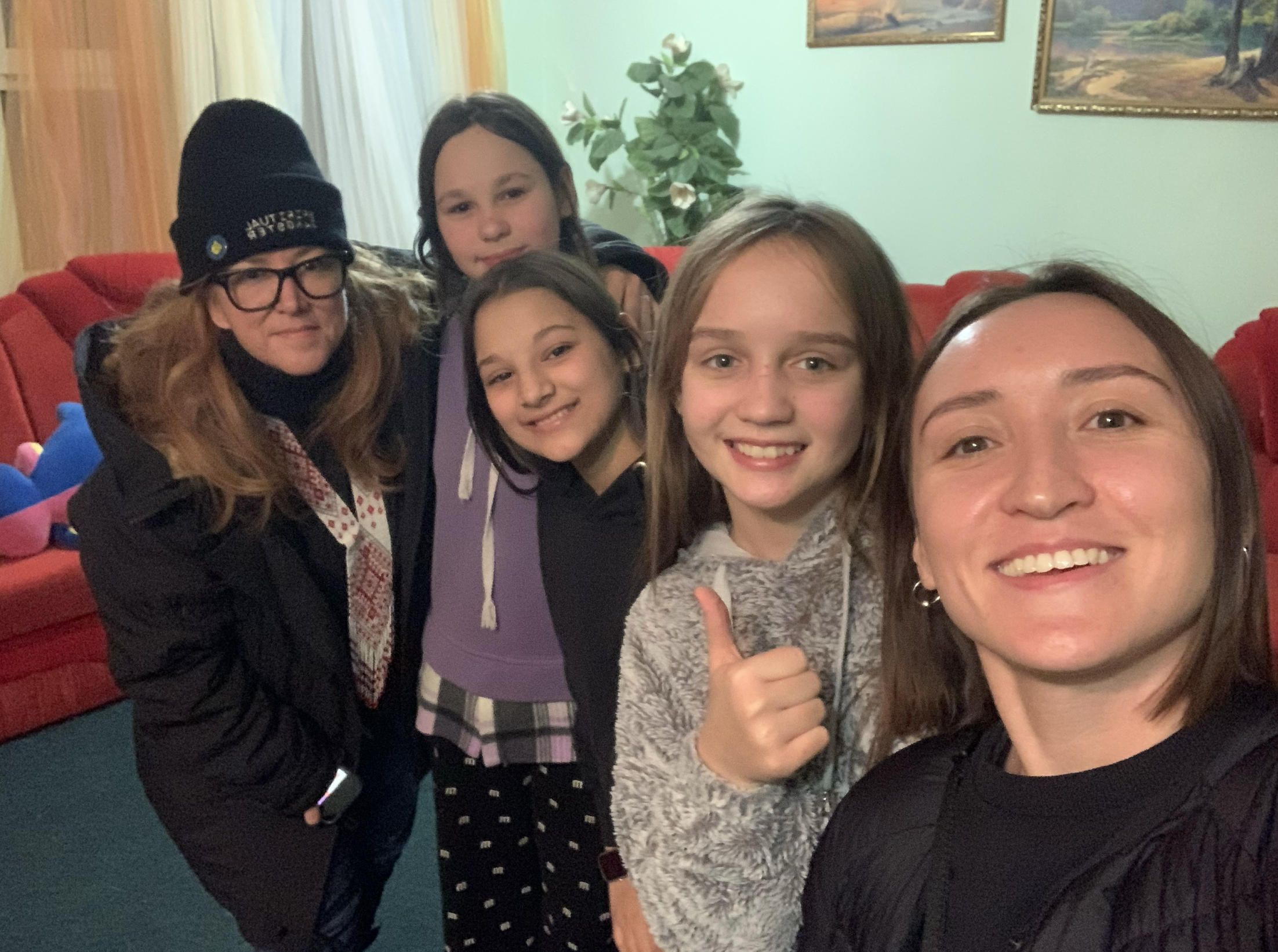
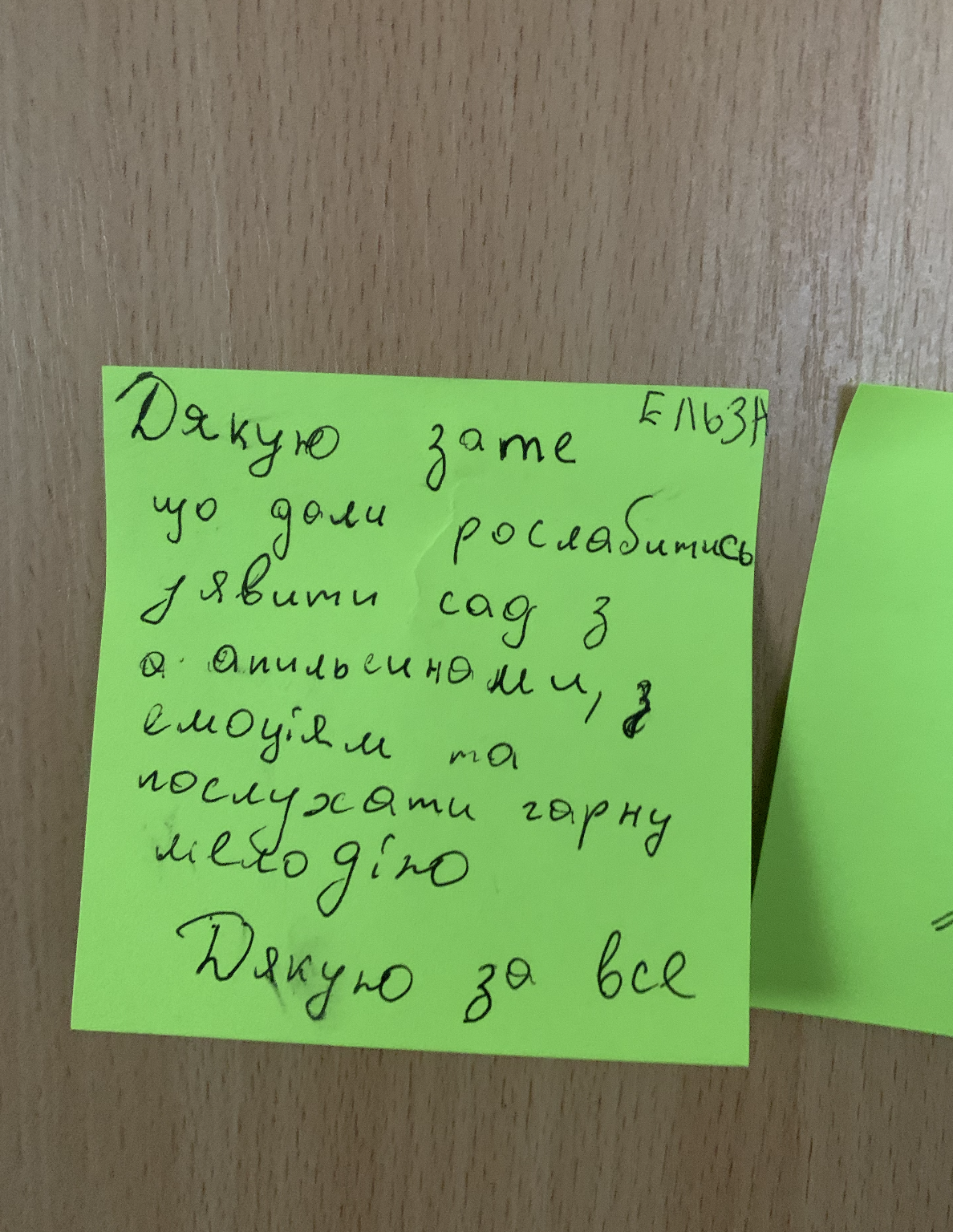
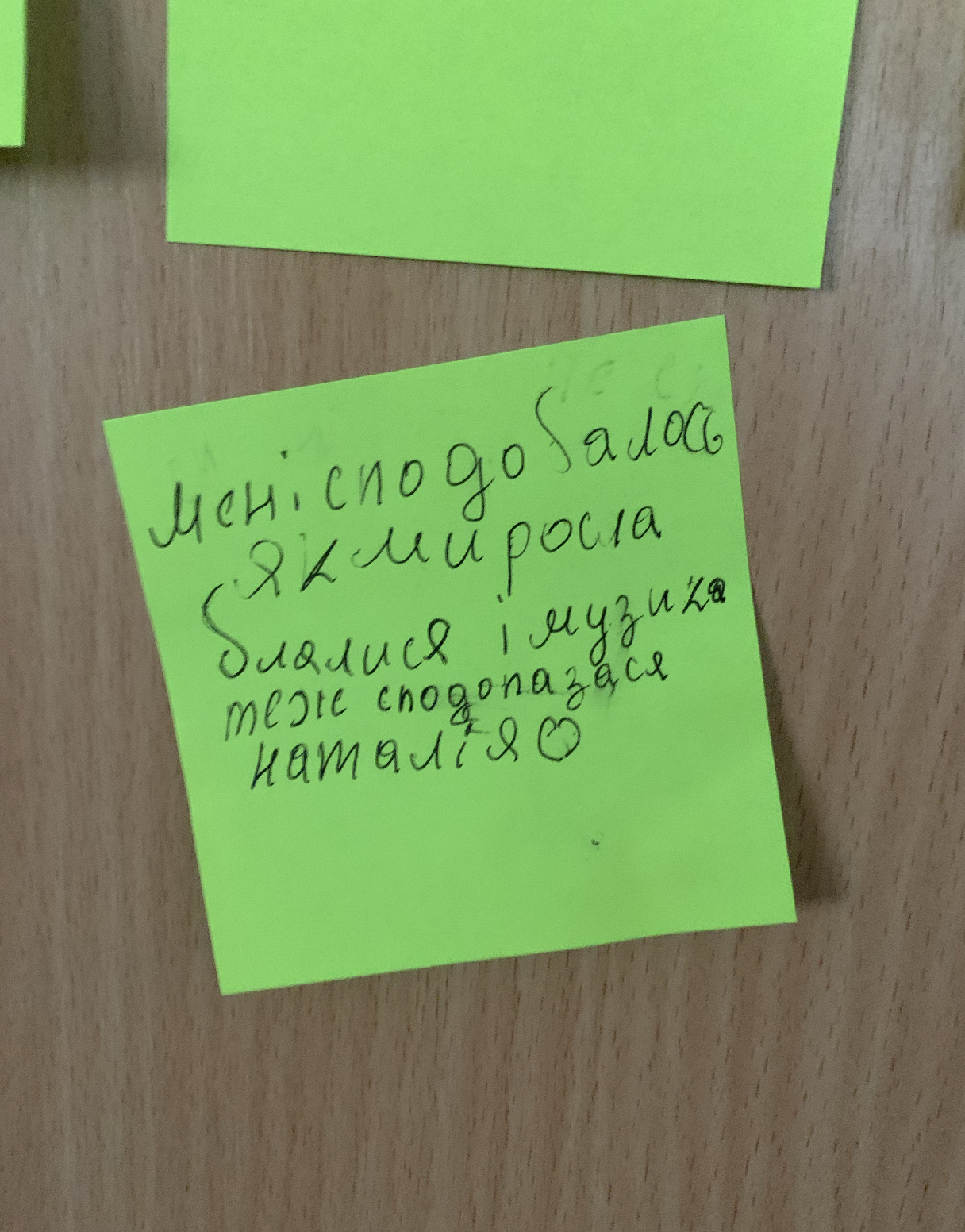
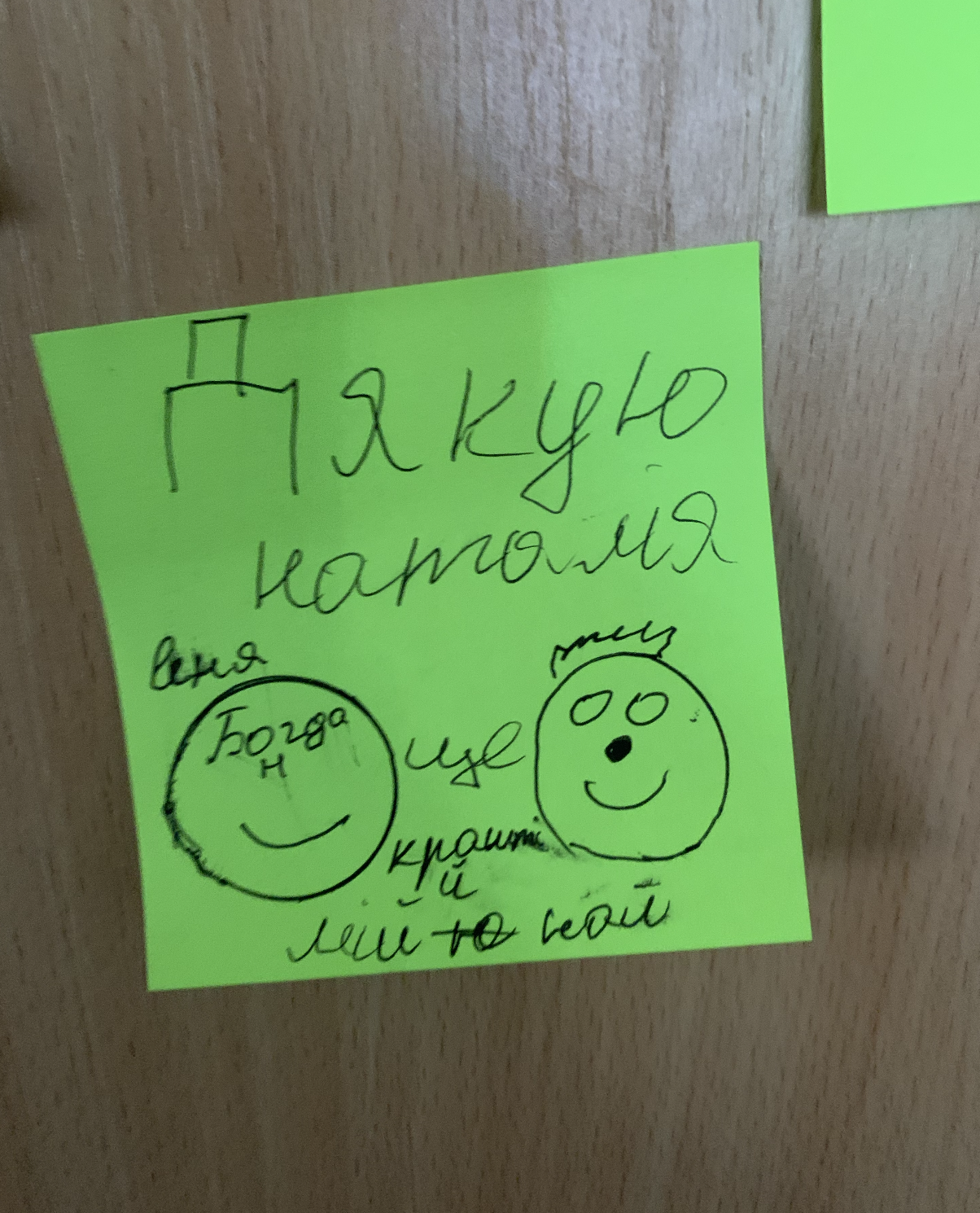
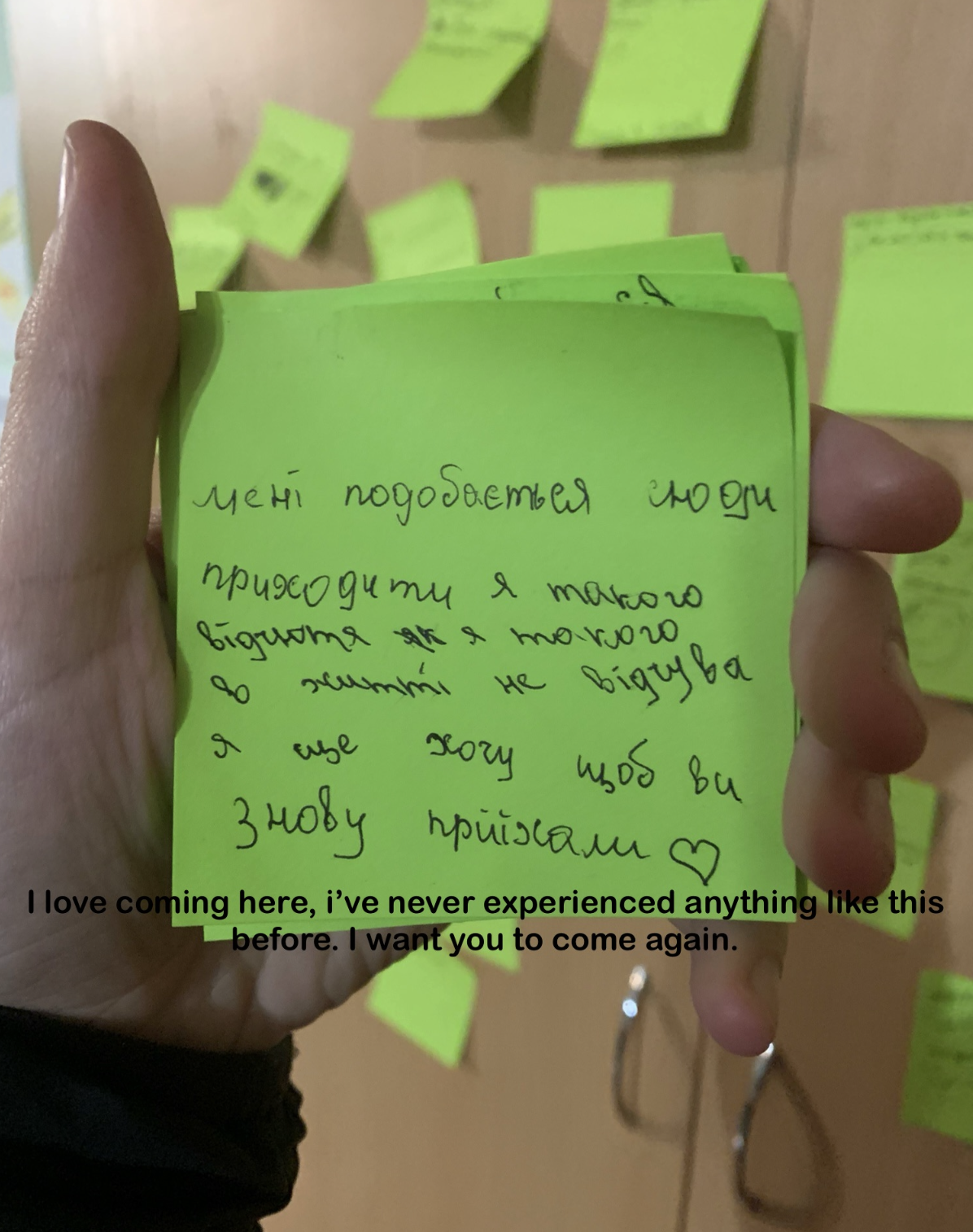
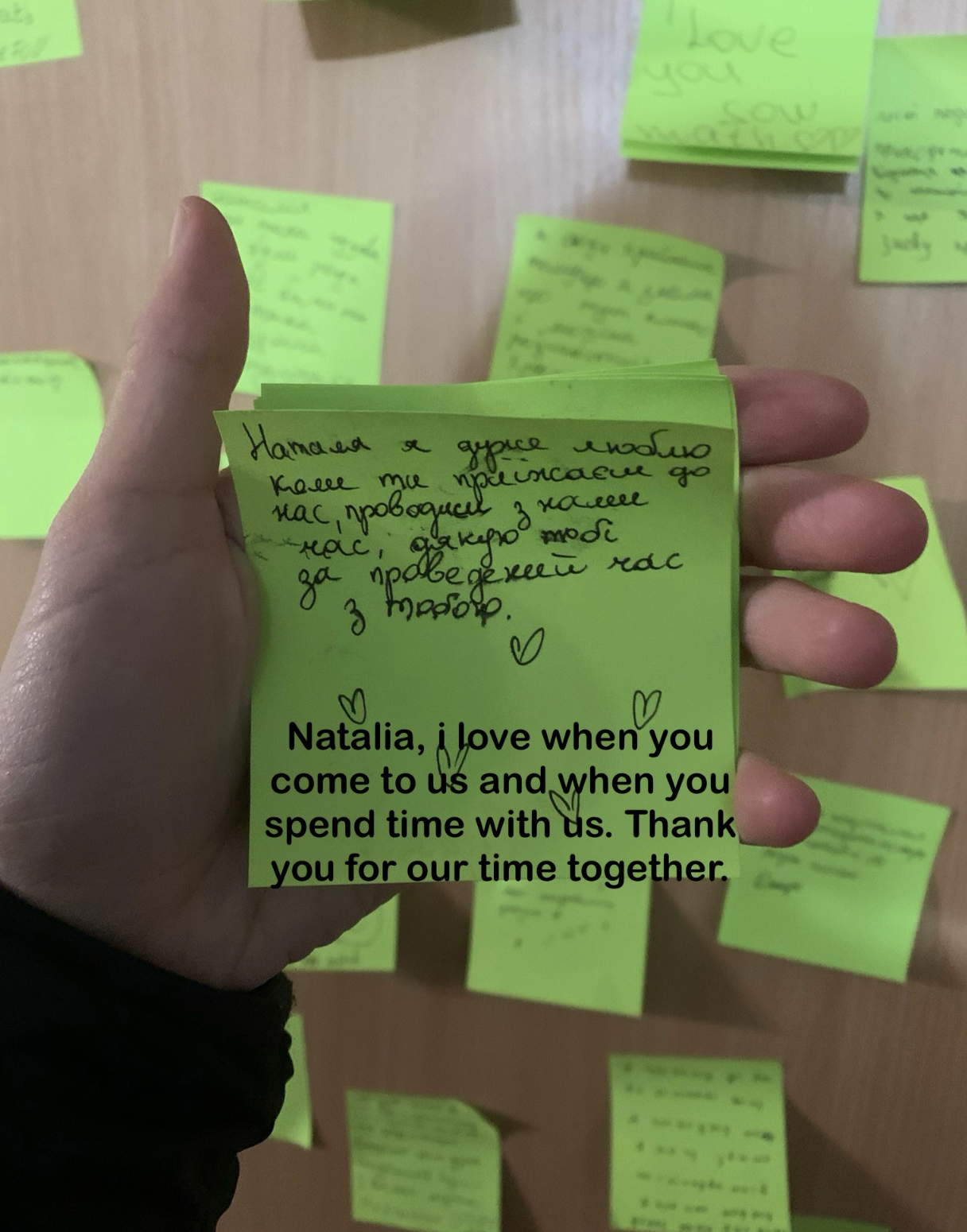
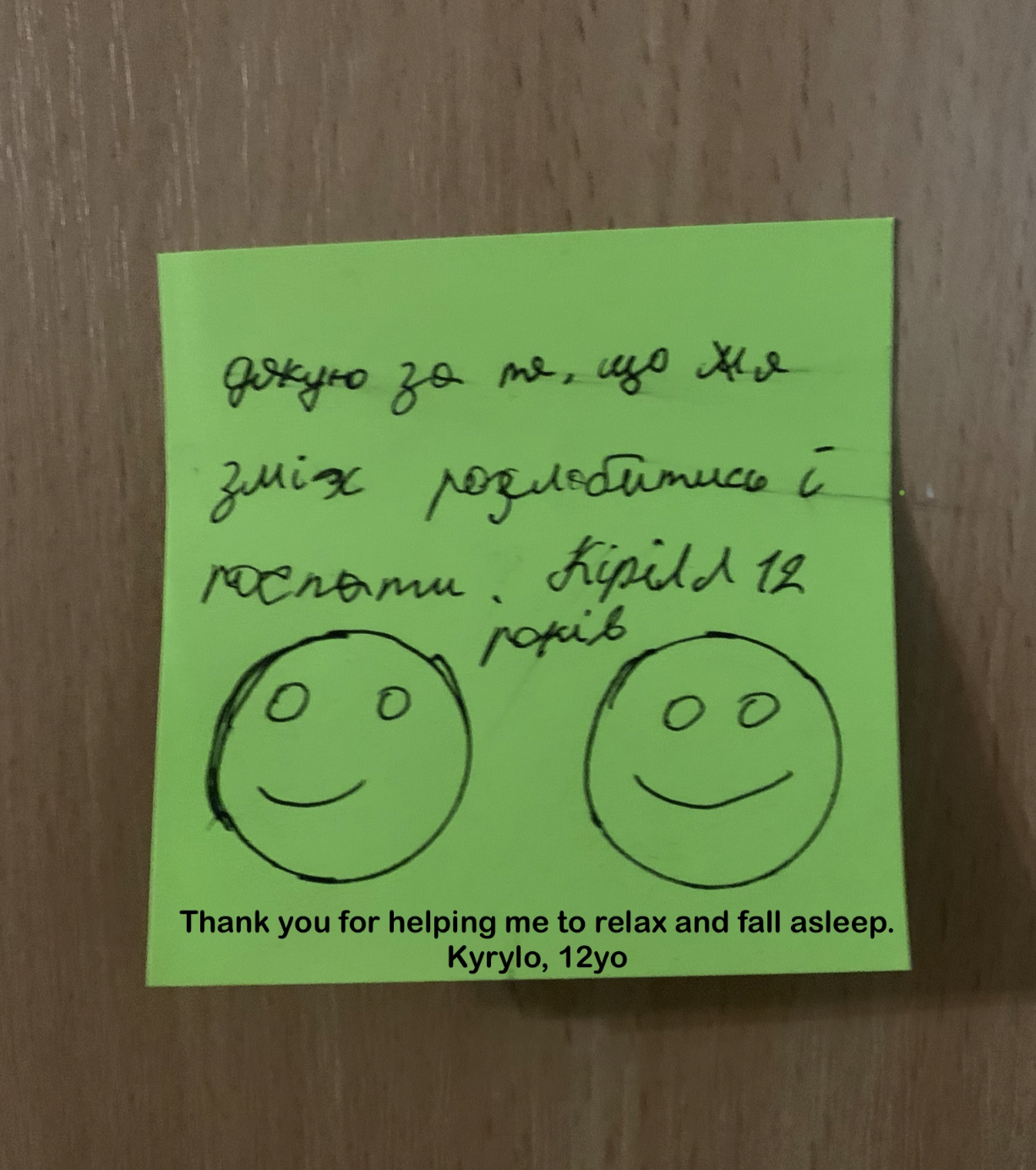
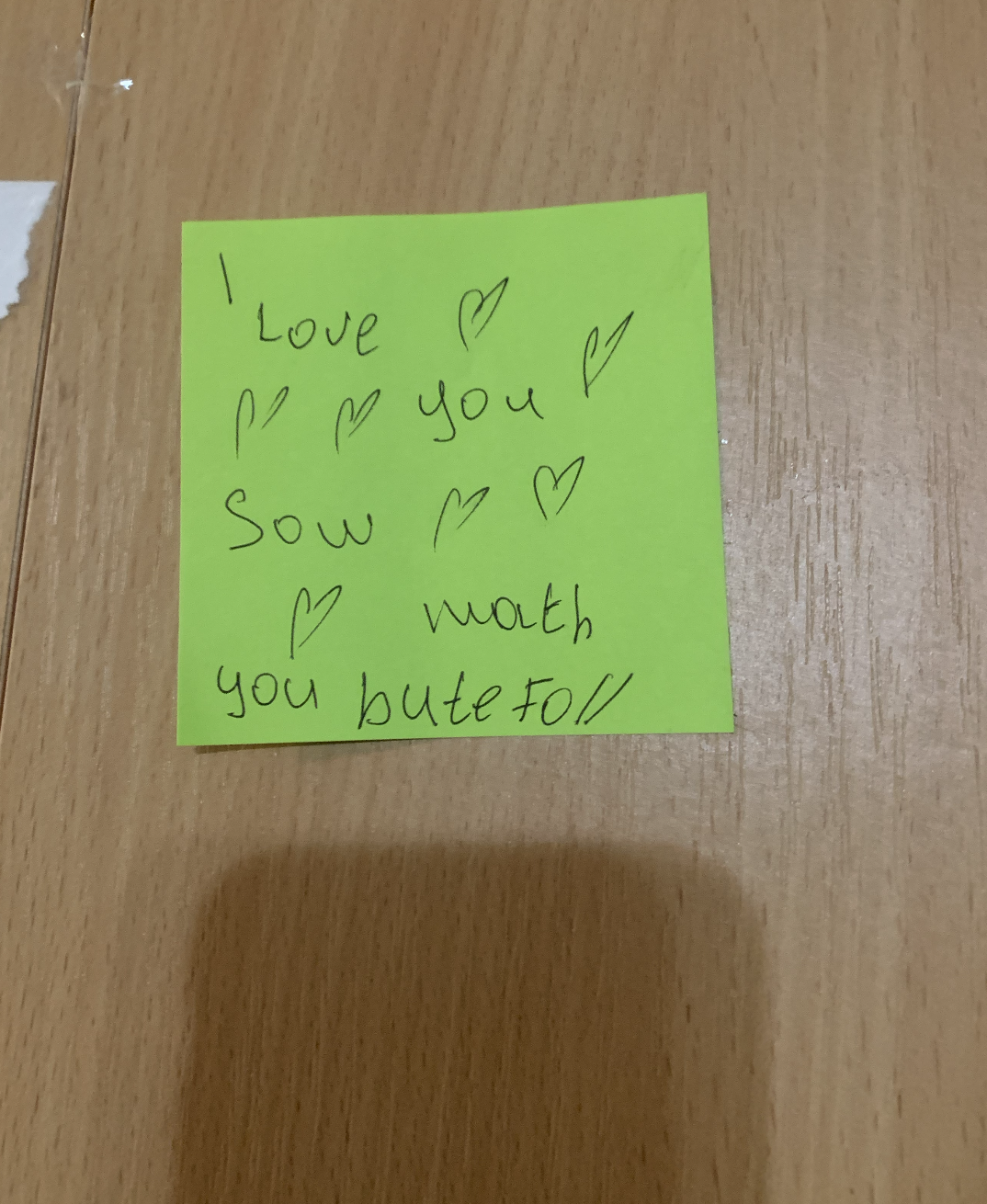
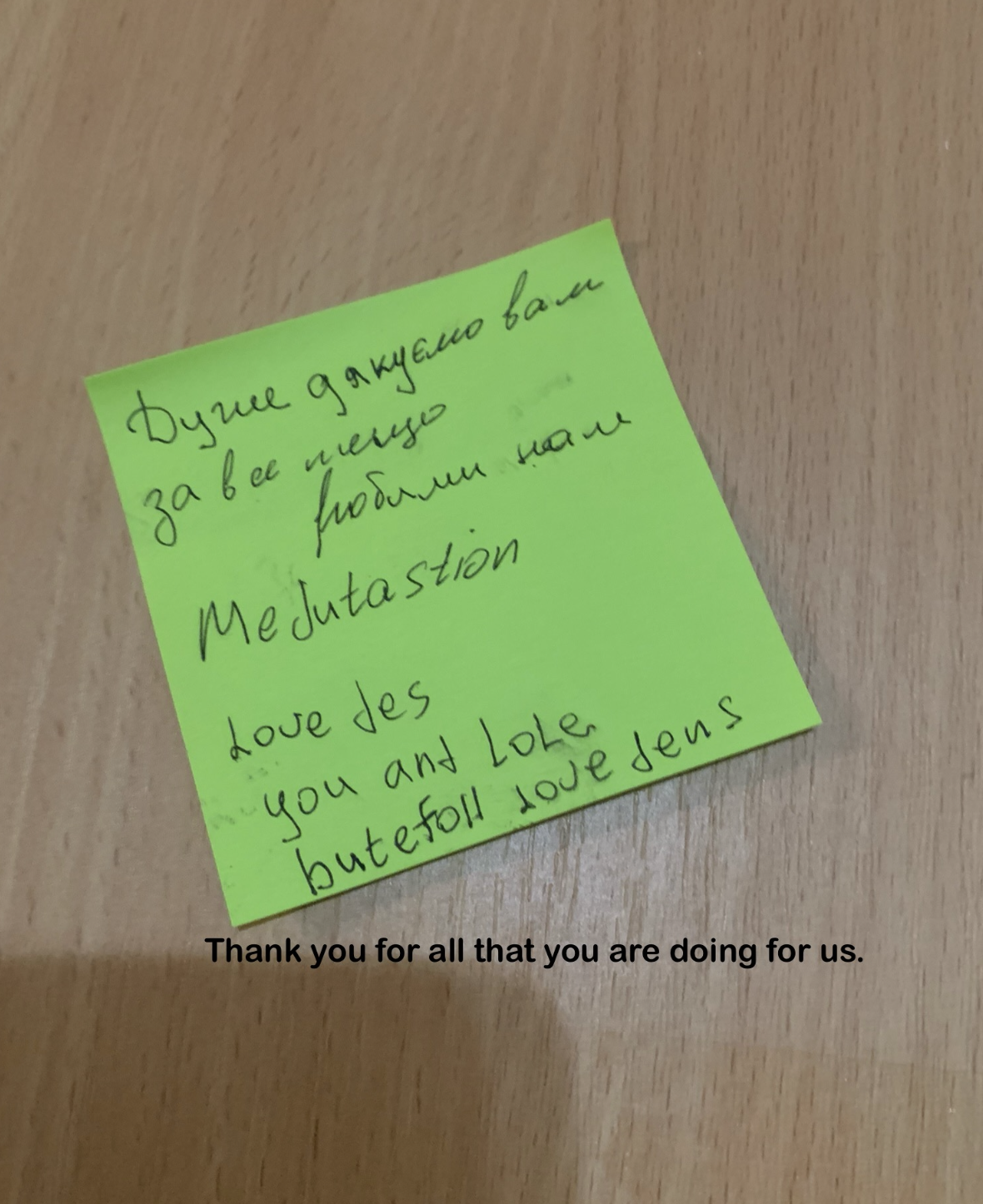
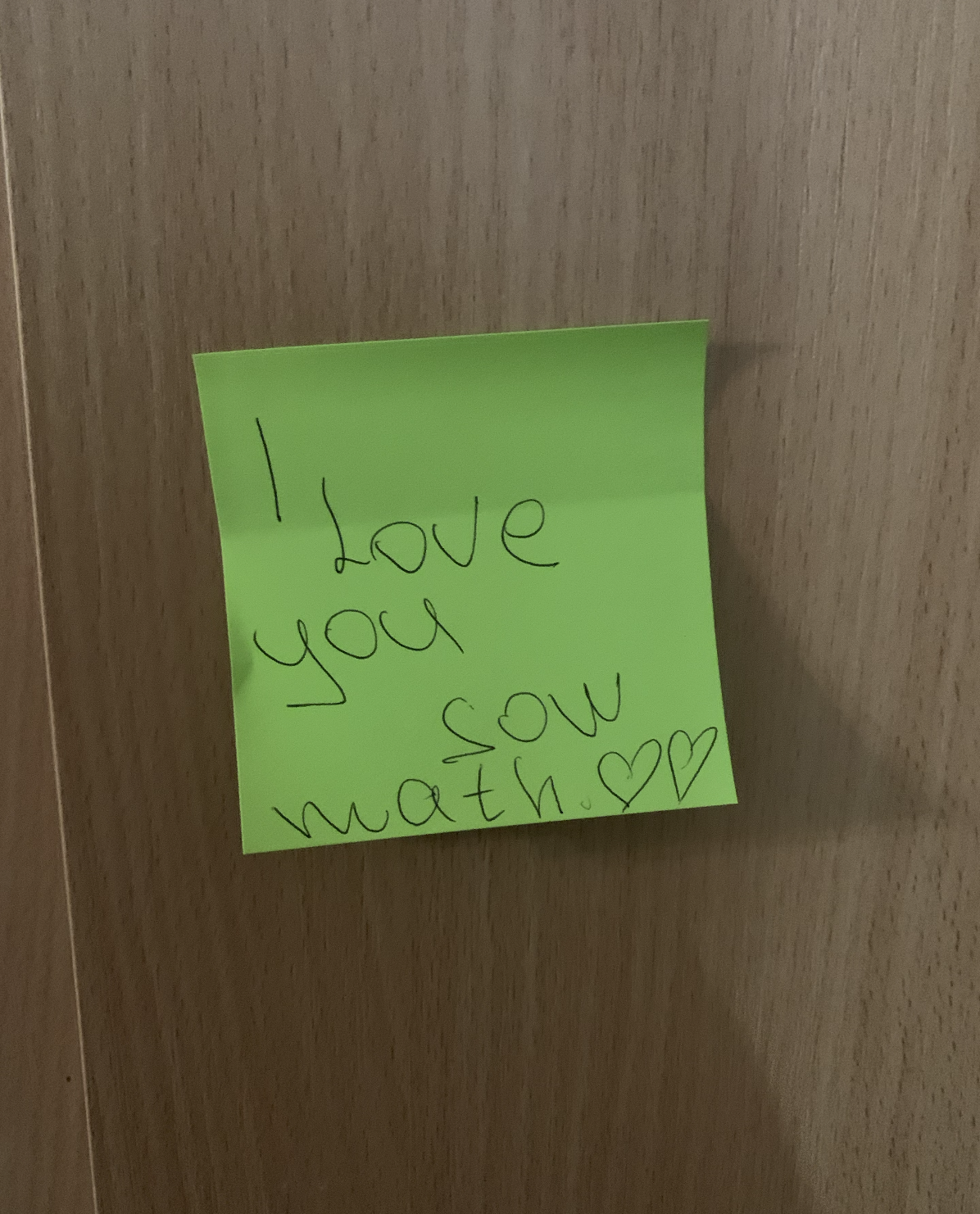
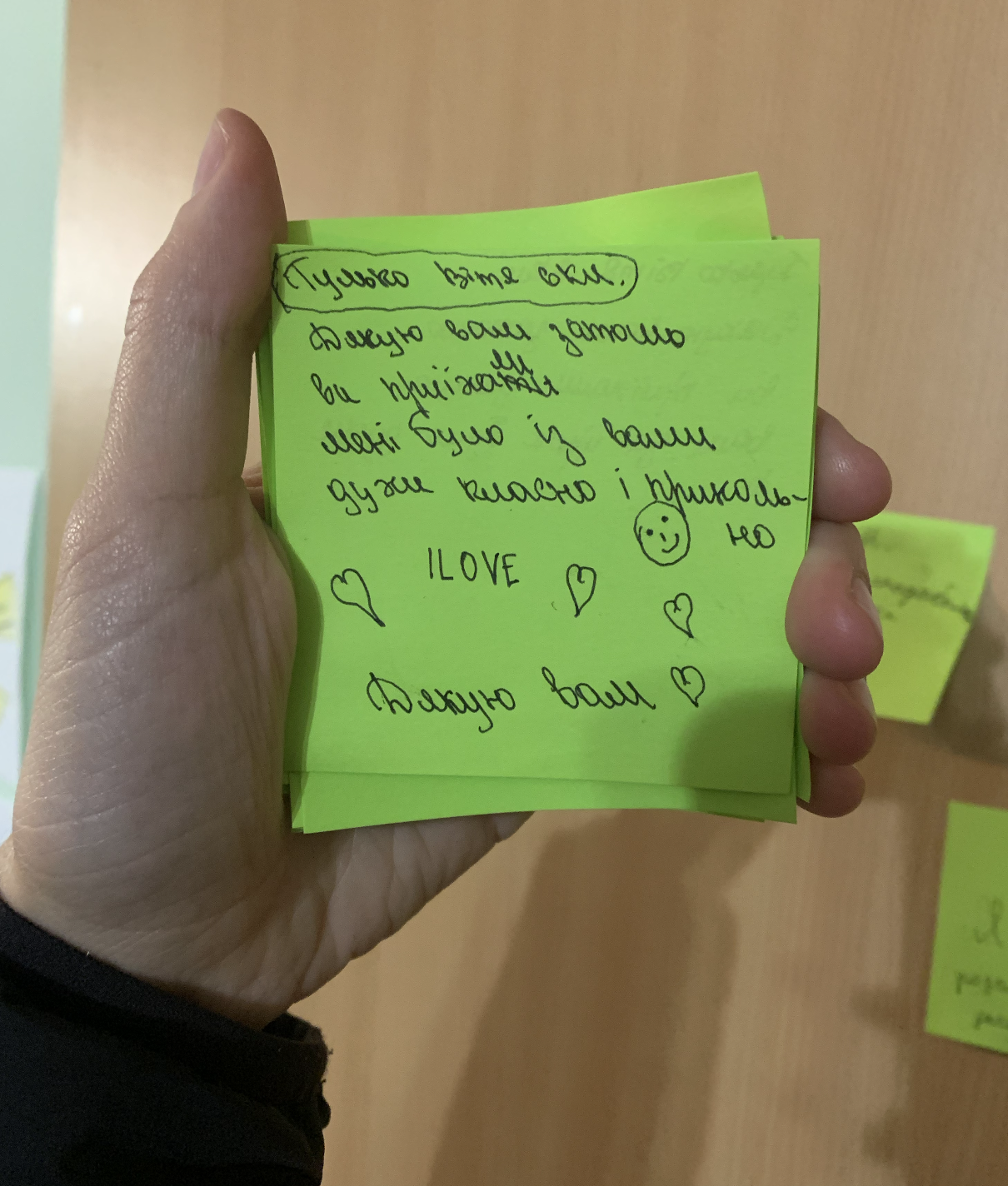
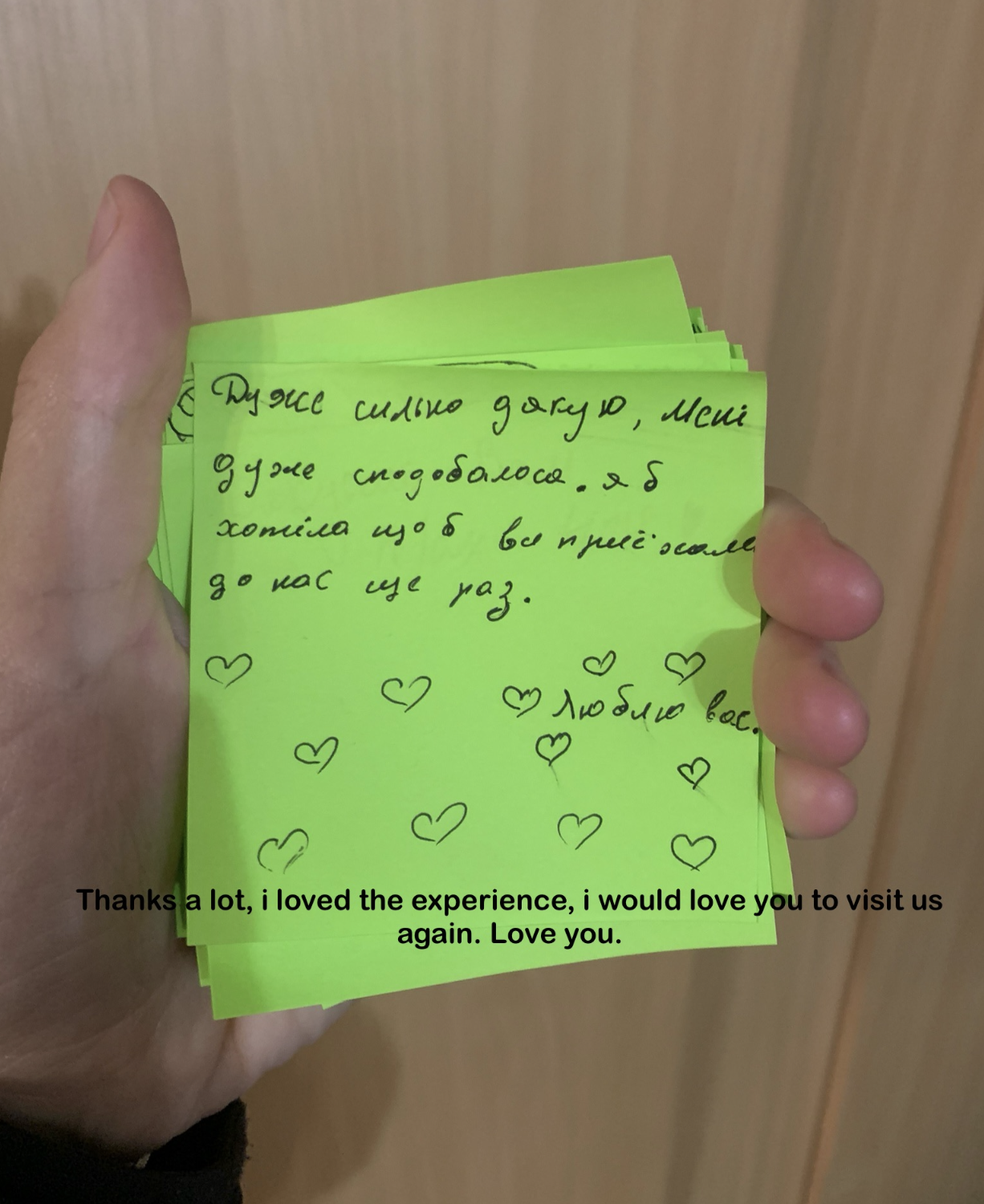
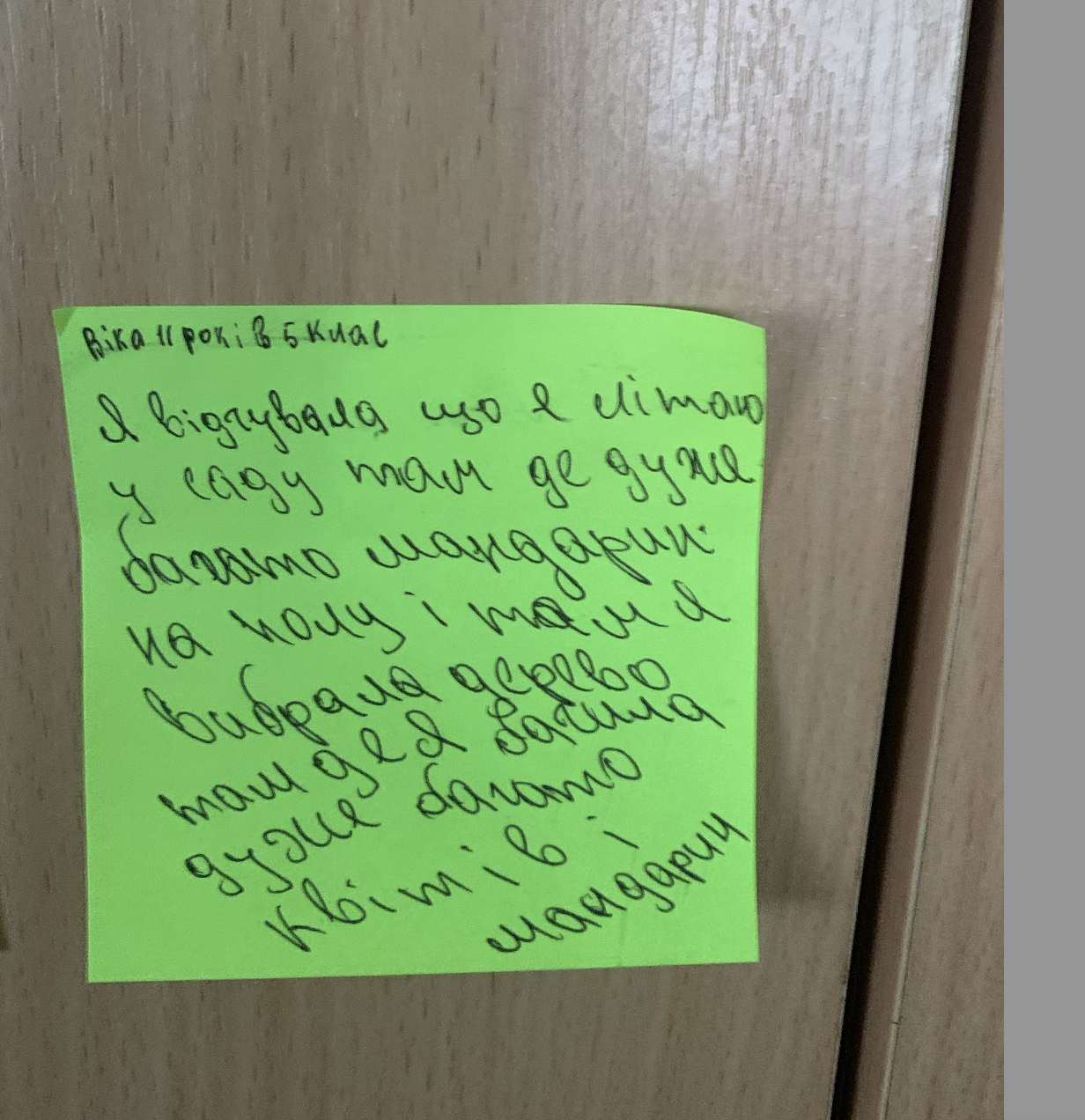
A moment from our follow-up visit to Berizky with Laura — taken right after a meditation session. The girls’ faces say more than any report. Their words, shared below, say the rest.