RePlayTogether – Supporting 700 Children Through Football & MHPSS
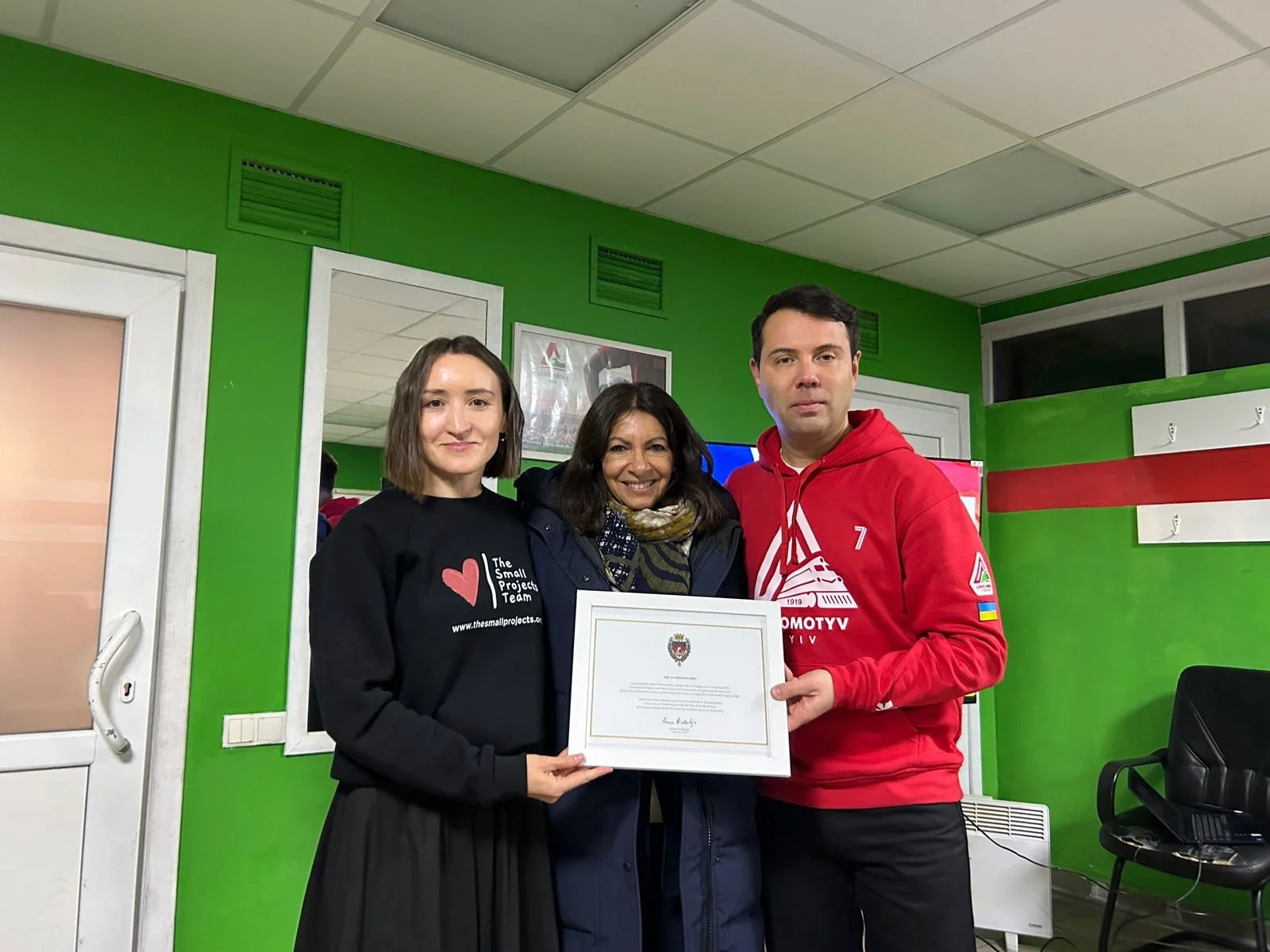
Honoured to represent The Small Projects Team in Kyiv as we presented the partnership memorandum with Anne Hidalgo, mayor of Paris, and Oleksandr Yegorov from Lokomotyv.
I love projects where my French and Ukrainian worlds meet.
And when a project involves French partners, Ukrainian children, sport, and a meaningful MHPSS component — I’m always in.
That’s how my journey with The Small Projects Team began.
And when the City of Paris decided to support Lokomotyv Kyiv Football Club with nearly €120,000 in exceptional aid, I knew this would be something special — a project where solidarity wasn’t symbolic but lived, practiced, embodied.
This collaboration brought together Parisian support, Ukrainian resilience, and the healing potential of structured sport.
And I had the privilege of coordinating the French side of the project on the ground.
Why Lokomotyv needed support

Consequences of the russian missile attack on Kyiv. Photo: texty.org.ua
In January 2024, a Russian missile strike destroyed the club’s main building.
They lost the changing rooms, medical space, and sports hall. A man who had simply come to train was killed.
But Lokomotyv didn’t stop.
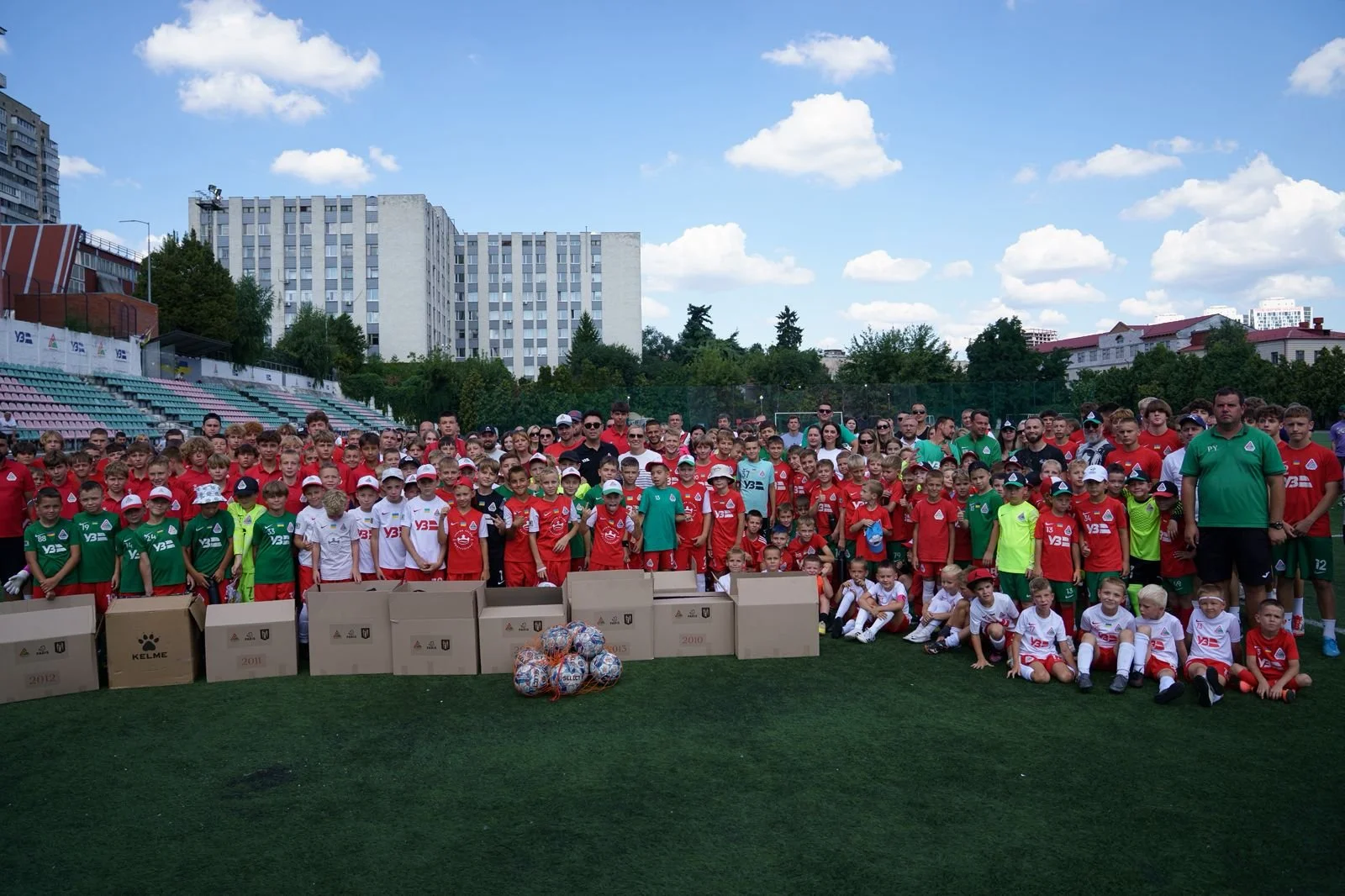
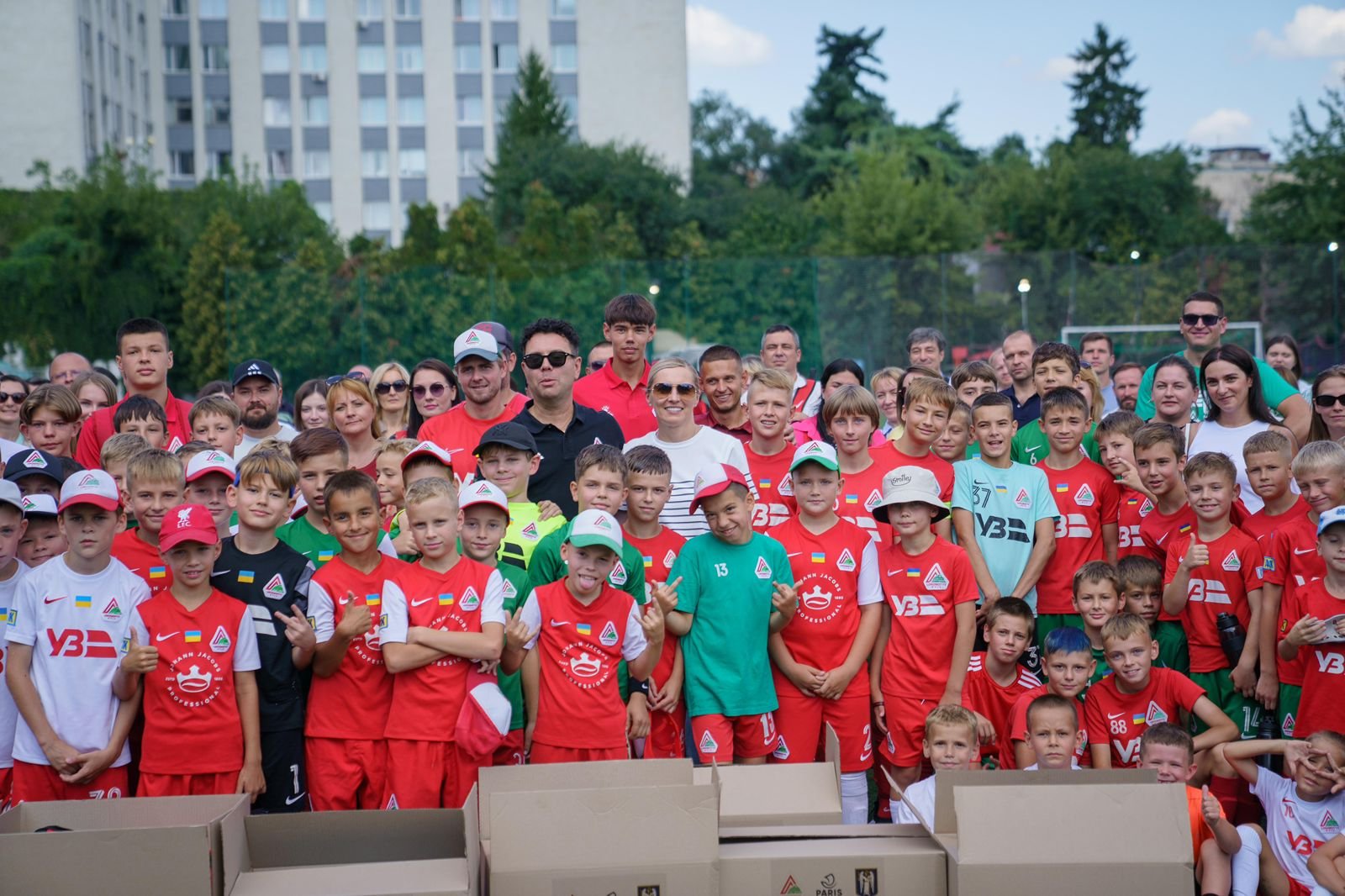
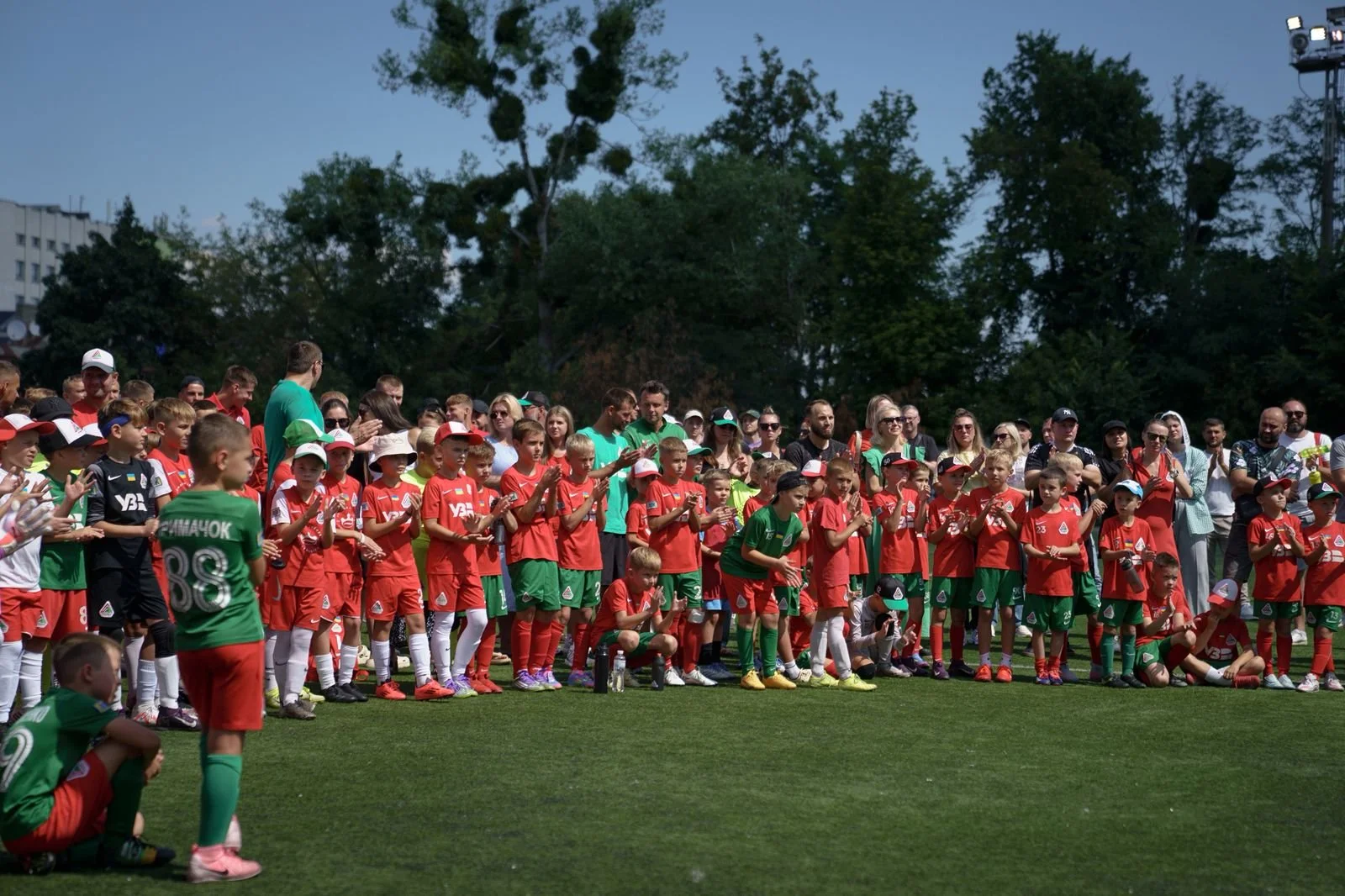
They continued welcoming more than 700 children — many internally displaced from regions heavily affected by war. The coaches stayed. The kids kept coming. Because for them, football wasn’t “just sport” — it was routine, connection, community, stability.
Paris saw this determination and decided to act.
And not with abstract promises — but with concrete, practical support..
Rebuilding infrastructure — with care

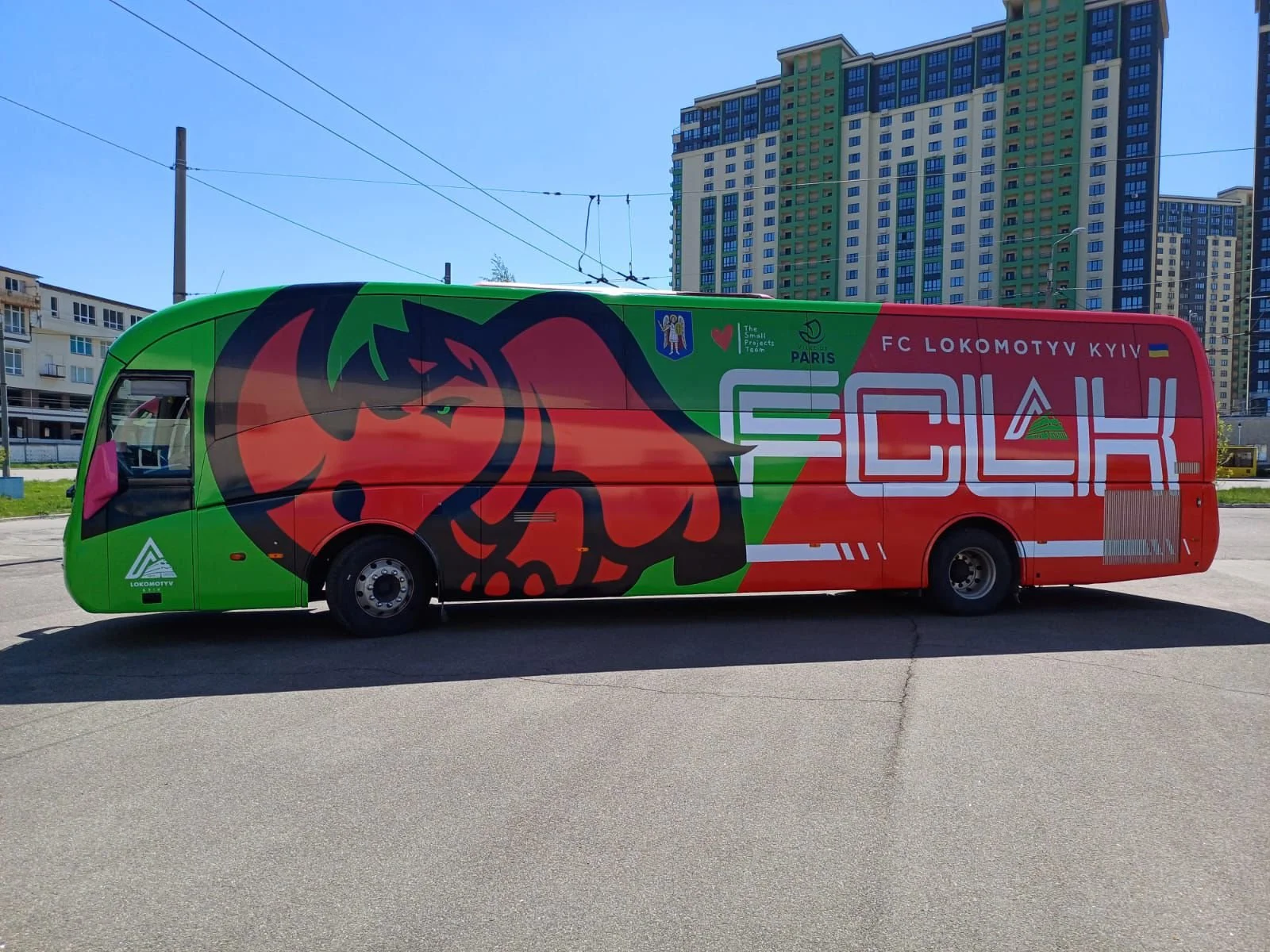
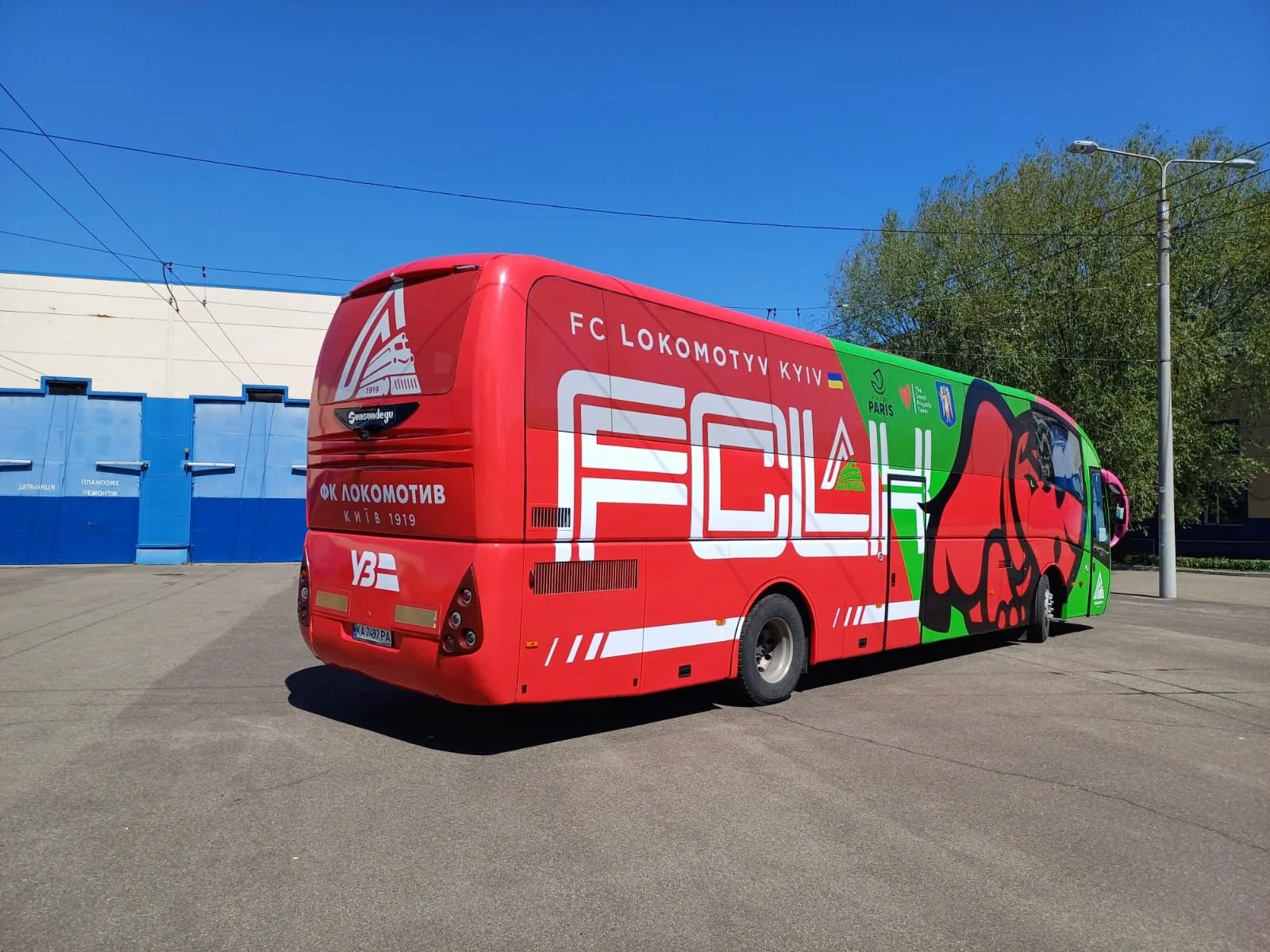
A bus in club colors, proudly carrying the emblems of Paris, TSPT and Kyiv — a moving symbol of solidarity.
The biggest part of the budget went to something incredibly simple yet deeply transformative: a bus. A safe way for children to travel to training and competitions.
Paris also funded:
Heating systems for changing rooms and showers
Balls, training equipment, vests, jerseys
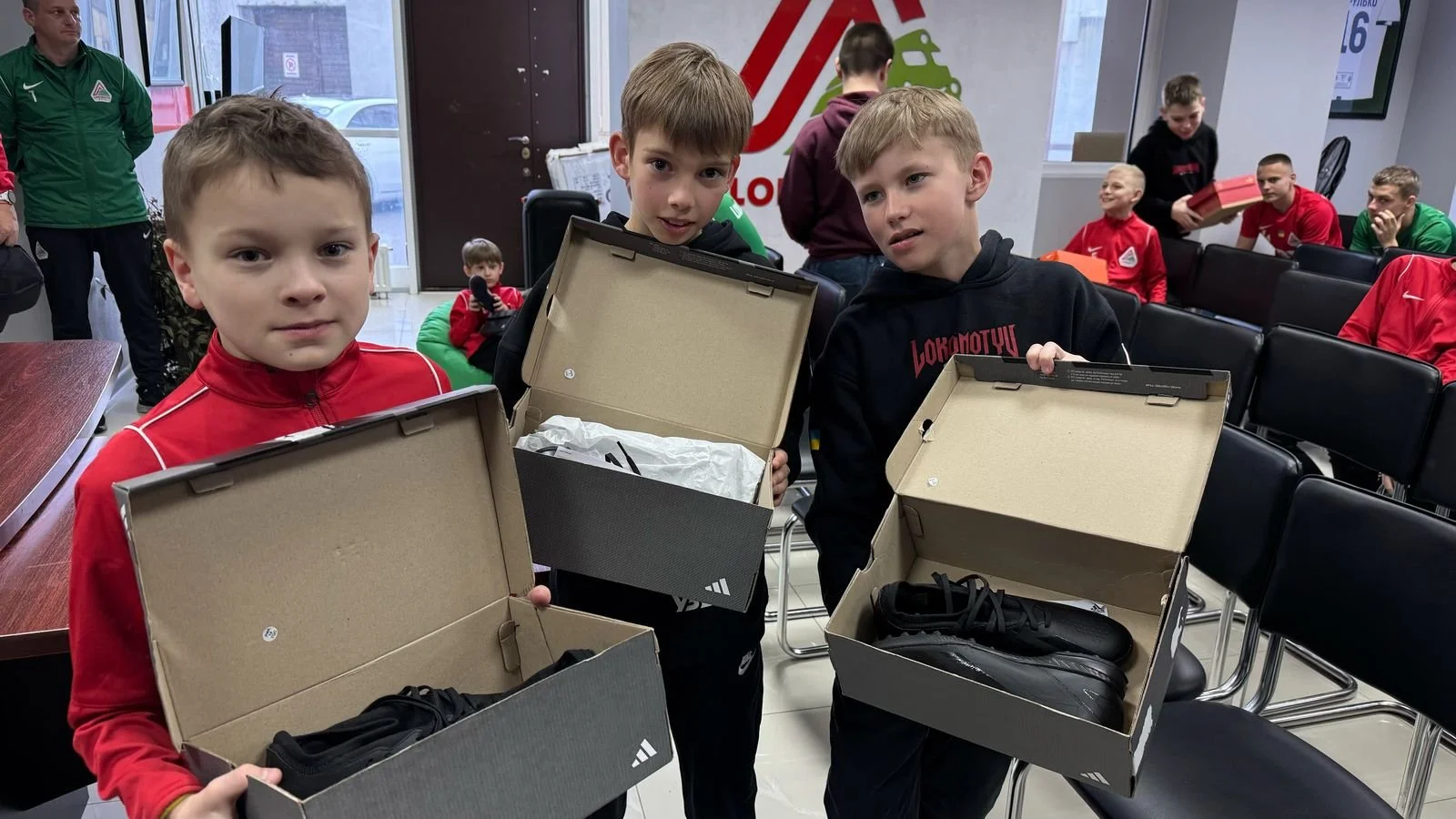
Cleats for children from low-income families
Medical kits & essentials
These aren’t glamorous items — but they are dignity.
They are participation.
They are access.

The MHPSS component
Infrastructure alone doesn’t support children living through war.
They also need emotional safety, regulation skills, and space to process what they’re experiencing.
The City of Paris understood this — and included a full MHPSS component.
Lukovskyi & Team, Ukrainian sport psychologists, designed a program that was:
developmentally appropriate
trauma-sensitive
evidence-based
integrated directly into the football environment
No stigma. No “clinical atmosphere.” Just mental health support where children already felt safe.
Who we worked with:
Ages 10–17
350 children assessed
48 children selected for intensive psychosocial support
4 age-specific groups
12 sessions per group over 3 months
Program goals:
reduce anxiety & emotional isolation
support self-regulation and resilience
build healthy peer relationships
deepen emotional literacy
strengthen identity and self-esteem during crisis
What we saw
The diagnostic phase showed exactly what many professionals in Ukraine already know:
children are carrying enormous psychological loads — quietly, often invisibly.
The numbers reflected this:
44% had sleep problems
43.9% experienced regular anxiety
~30% lived with chronic fatigue
But it was the qualitative data that spoke even louder:
high-functioning anxiety hidden under “good behavior”
emotional restraint & difficulty expressing needs
perfectionism rooted in fear of mistakes
withdrawal, irritability, and over-adaptation
These children weren’t “just stressed.”
They were navigating trauma while trying to stay children.
The Intervention
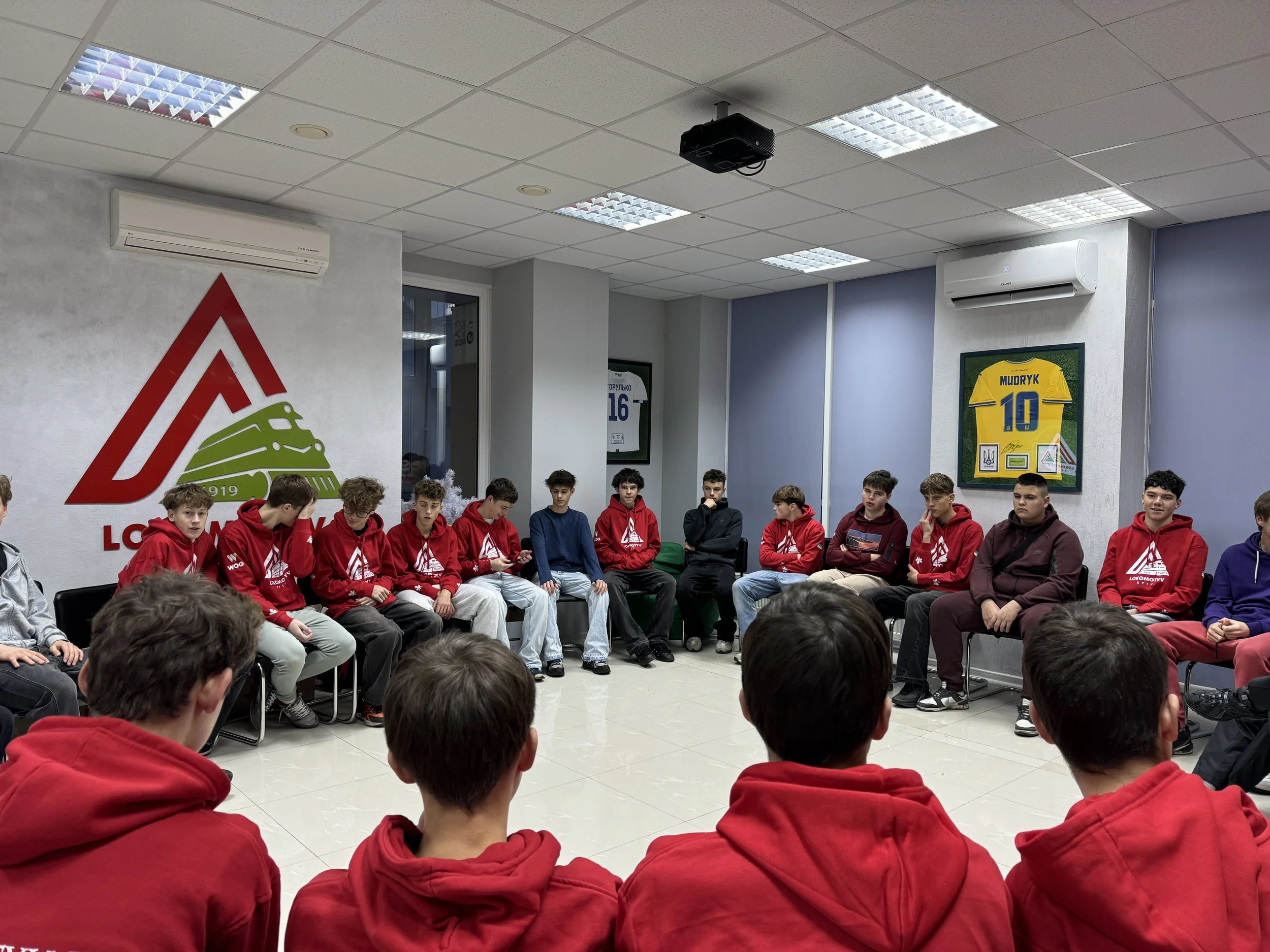
Group psychosocial session facilitated by Lukovskyi & Team — supporting emotional regulation, connection, and resilience for Lokomotyv’s young athletes
Each group completed 12 sessions using:
body-based grounding
breathwork
emotional identification games
art therapy elements
psychoeducation
cooperative and trust-building exercises
scenario-based work around pressure & conflict
All sessions were 60–90 minutes. They happened inside the club — not a clinic. Psychologists worked at the children’s tempo, respecting boundaries, creating a space where safety was felt, not just stated.
What changed
The shift was visible:
emotional regulation improved
coping became more adaptive
friendships strengthened
conflict resolution grew easier
And the most meaningful part: children began using tools outside the sessions — breathing on their own, naming their emotions, asking for support.
That’s the point where psychosocial tools become life tools.
What this project meant to me
Working on RePlayTogether brought together everything I care about:
meaningful MHPSS work
practical implementation
French–Ukrainian cooperation
children having real support, not symbolic gestures
And yes — speaking French on coordination calls made even the heaviest days feel lighter. I remember reading the initial diagnostic data and feeling its weight. And then, months later, seeing reports about children becoming more expressive, more regulated, more connected.
But this project also taught me something important: a bus and a psychological program are not separate interventions. They are one system of support.
If a child can’t safely get to training, they can’t benefit from MHPSS.
If a child arrives dysregulated, they won’t fully benefit from sport.
Real recovery requires both.
RePlayTogether was exactly that: whole, grounded, human-centered support.
This partnership between the City of Paris, The Small Projects Team, and Lokomotyv Kyiv is more than aid.
It’s a message to Ukrainian children:
“Your well-being matters. Your childhood matters. Your future matters.”
And being part of making that message real — that’s something I’ll always carry with gratitude.
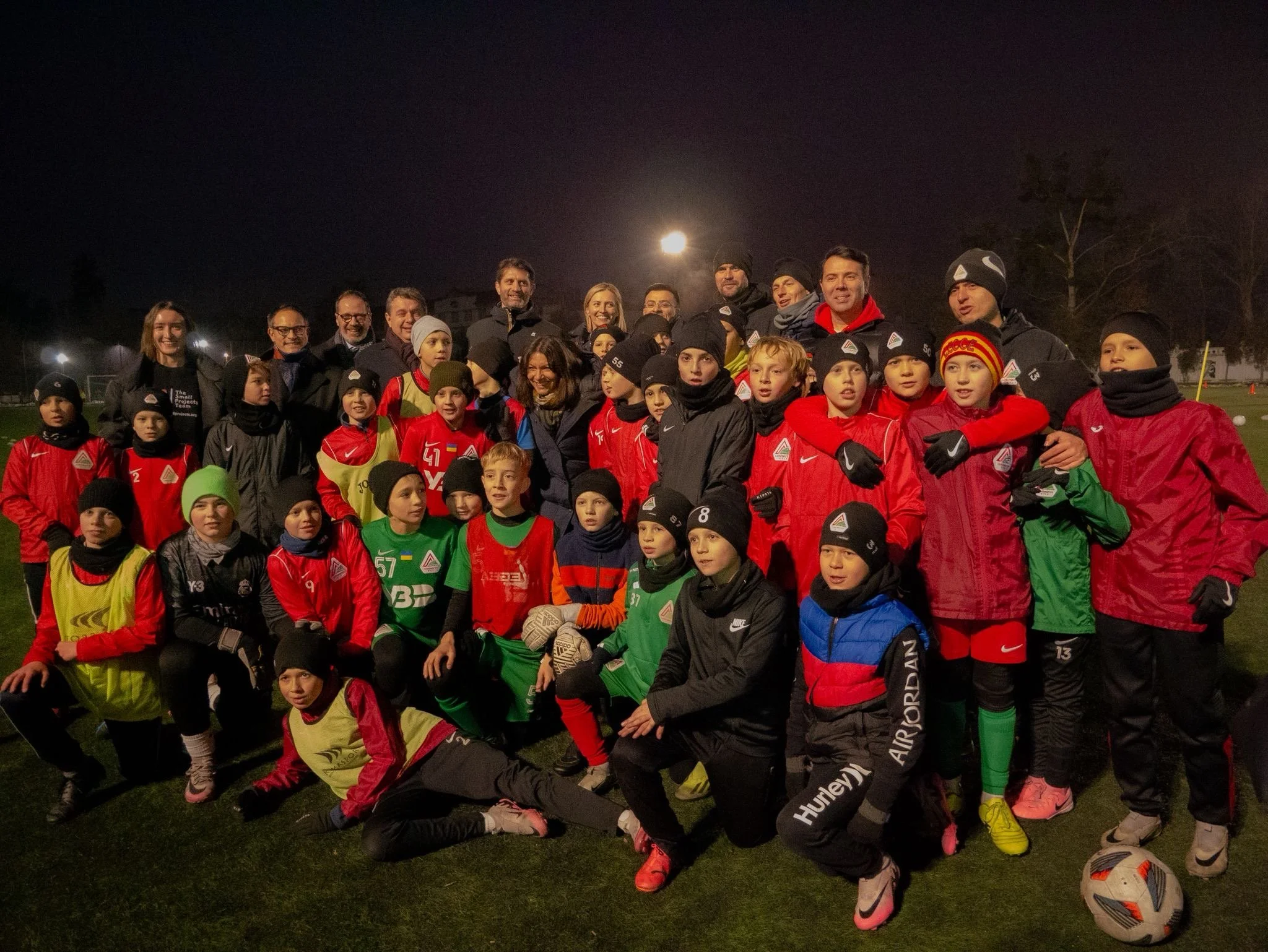
Grateful to stand beside these children and everyone who made this project real — Paris, Lokomotyv, and The Small Projects Team.
