The UAmpFoot Kickoff project by TSPT
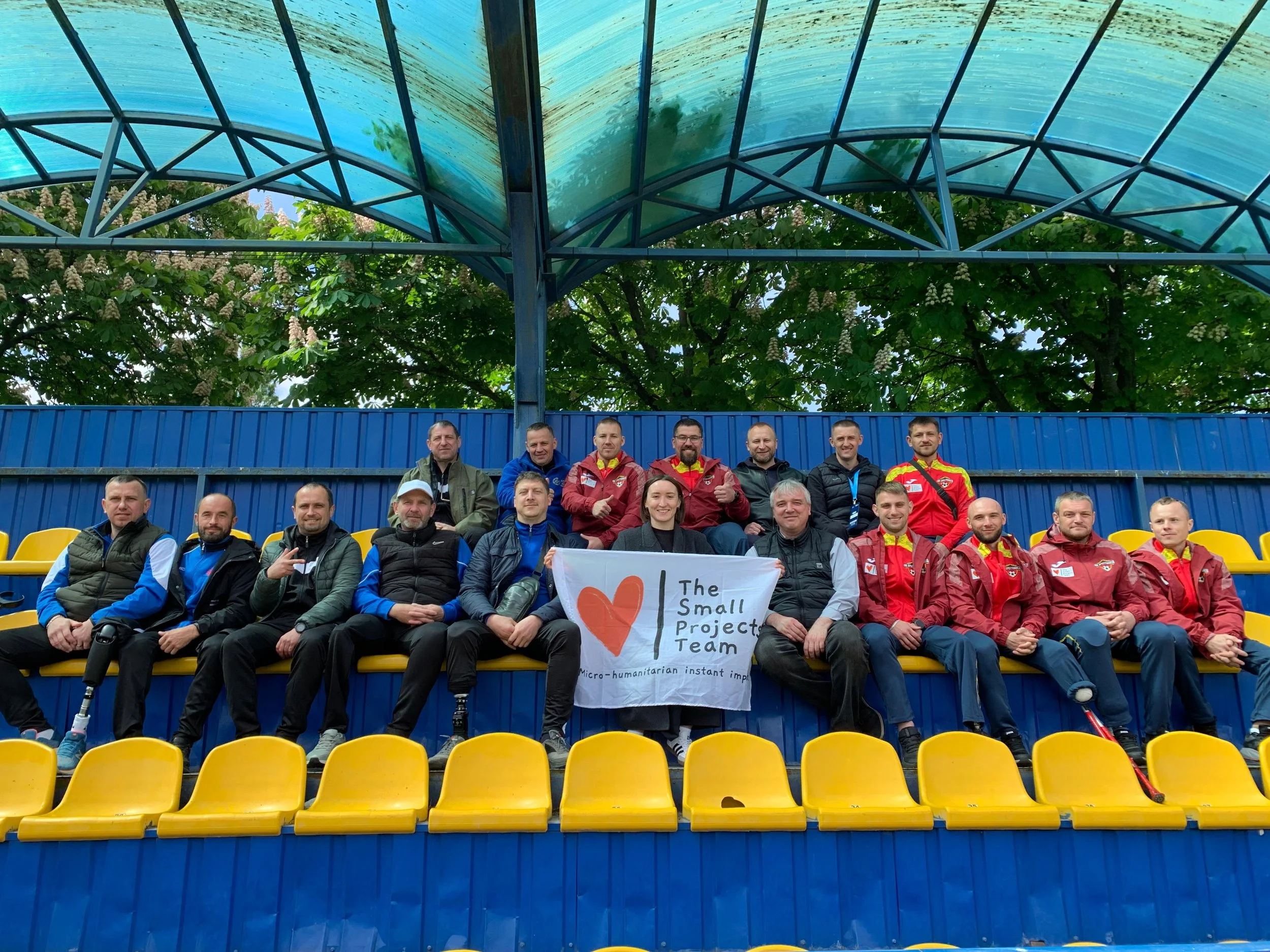
With our Khrestonostsi team from Lutsk.
I learned about amputee football in Ukraine from Charles Tine — a French-Canadian who somehow cares about Ukraine as deeply as many of us who live here. When he shared that The Small Projects Team wanted to help launch a Kickoff program, I felt an immediate pull.
Partly because the idea was powerful. Partly because it mattered to Ukraine. And partly because the people behind it were people I trusted. It was emotional for me in a way I didn’t fully expect.
When you live here, these aren’t abstract initiatives. They’re your own communities. Your own people.
The reality we’re living
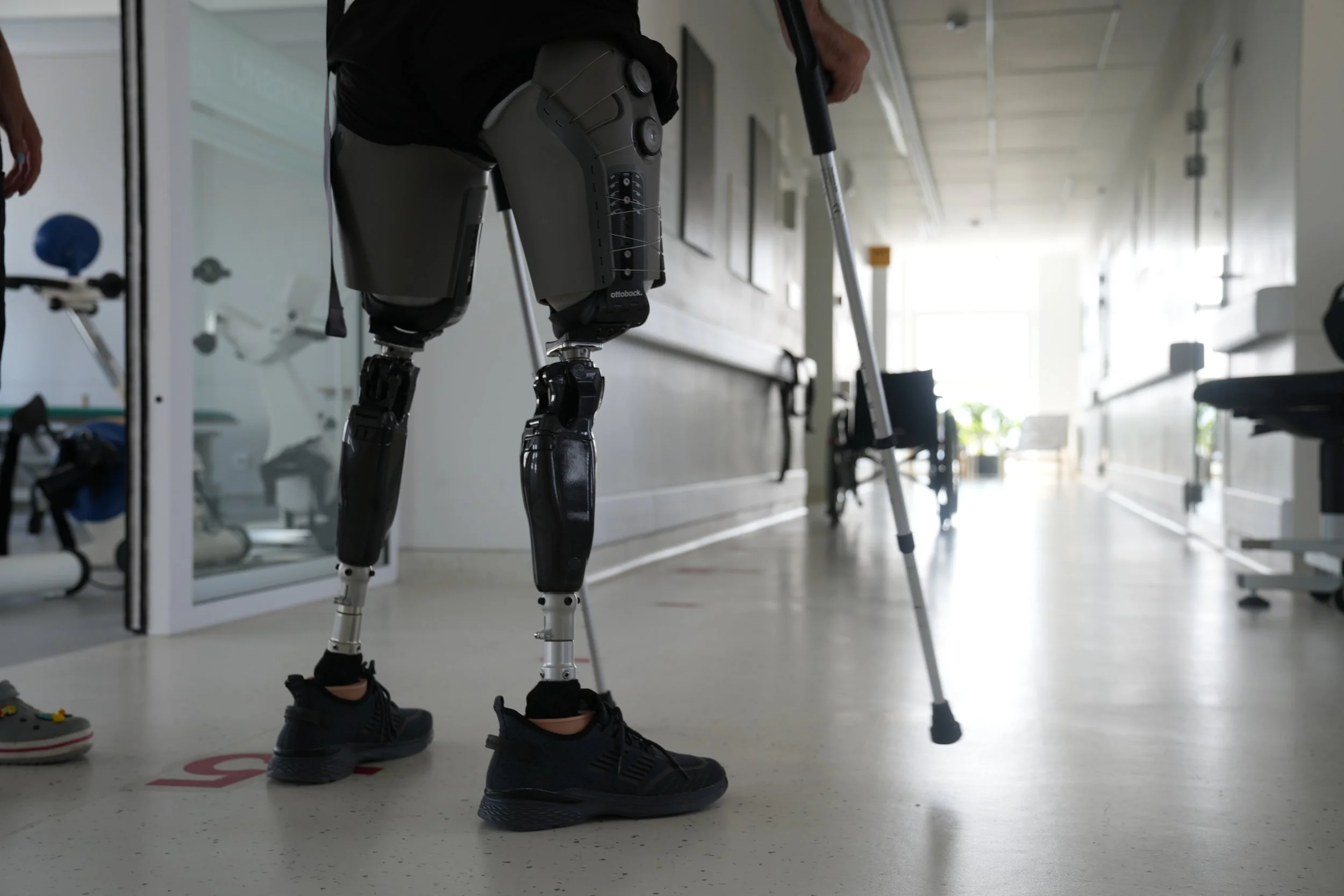
photo credit: unbroken
Since the full-scale invasion, Ukraine has recorded nearly 100,000 amputations.
Soldiers, civilians, teenagers, adults — people whose lives changed suddenly and permanently.
Organizations like Protez Hub, Superhumans, and Unbroken are doing extraordinary work providing prosthetics and physical rehabilitation. Their work is essential and life-changing.
But recovery doesn’t stop at the medical part. People still need community, movement, connection, and a sense of identity — things that support psychological well-being just as much as the body. That’s where amputee football becomes meaningful.
Why amputee football works
Movement feels natural again.
Training on crutches develops balance, coordination, and strength without feeling like formal rehabilitation.Belonging replaces isolation.
A team gives people connection, community, and the feeling of being part of something bigger.Identity expands.
Players move from being defined by injury to being recognized as athletes with skills and potential.Structure supports mental health.
Regular training brings rhythm and stability — something many people appreciate deeply.Communities learn to see differently.
Matches help normalize disability and highlight strength, ability, and resilience.
This combination makes amputee football uniquely effective: physical, emotional, and social recovery happening together in a way that feels natural and motivating.
The Kickoff Kit
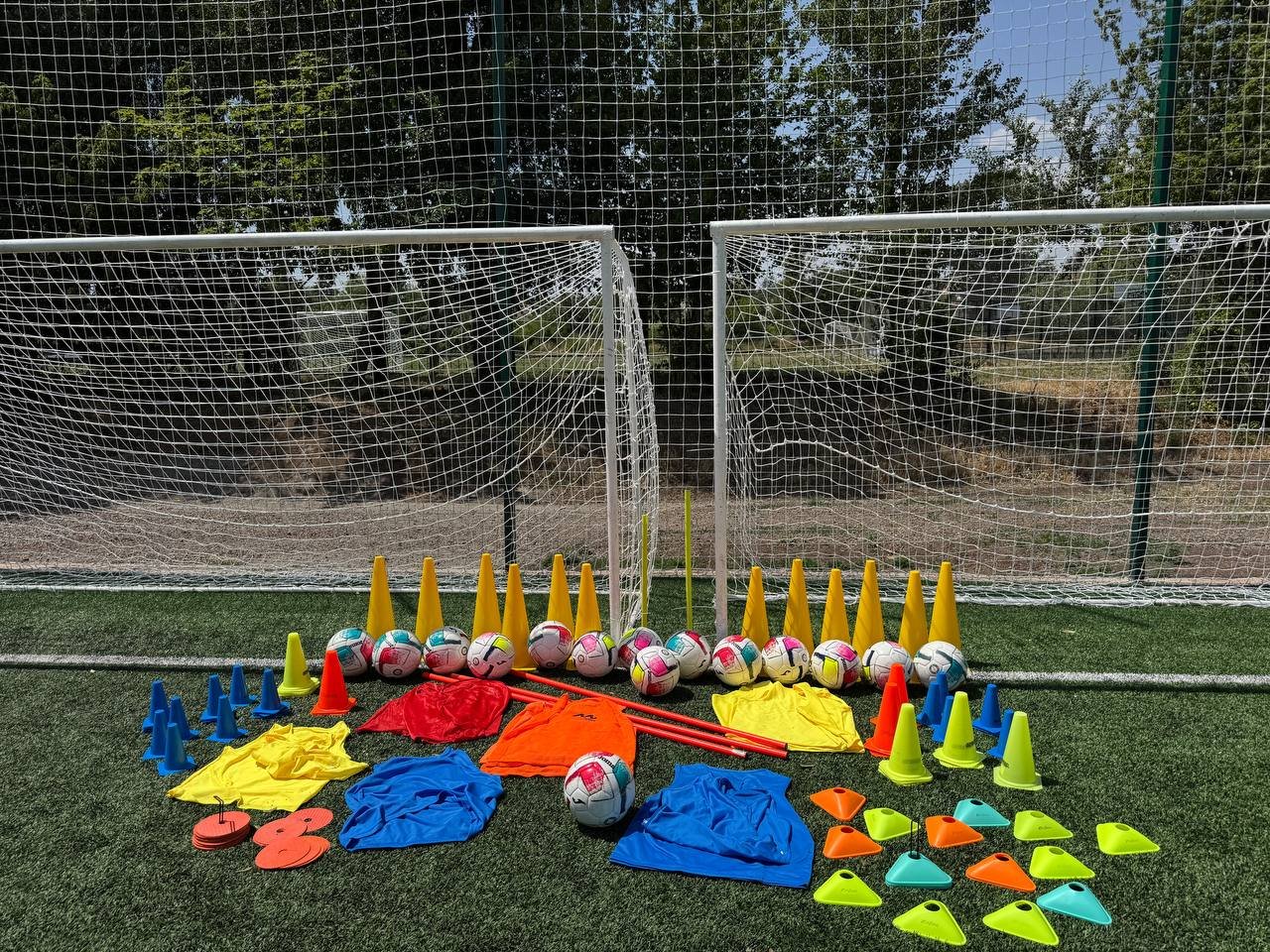
A simple idea to help new clubs begin.
Working with existing teams, we created a practical base for new amputee football clubs: the Kickoff Kit.
For €5,000, each kit includes:
30 specialized crutches
Balls, cones, markers, portable goals
Jerseys for 15 players
Three months of salary for a coach + medical support
Printed outreach materials for rehab centers and communities
It’s not the entire annual budget — but it removes the biggest barriers to starting and gives clubs the stability they need for the first months.
Five clubs. Five communities. One idea that spreads.
Through The Small Projects Team, five new clubs have started training in:
Lutsk
Dnipro
Kryvyi Rih
Zhytomyr
Odesa
Each one is training regularly and becoming part of its local community.
My role was the operational backbone: support calls, logistics, needs assessments, grant processes, timelines, adaptations — and a lot of listening. No two cities needed the same thing. Supporting them meant adjusting, not applying a template.
What stays with me most is the moment players put on their jerseys for the first time — the way they stand a little taller. The shift is visible. They’re athletes again.
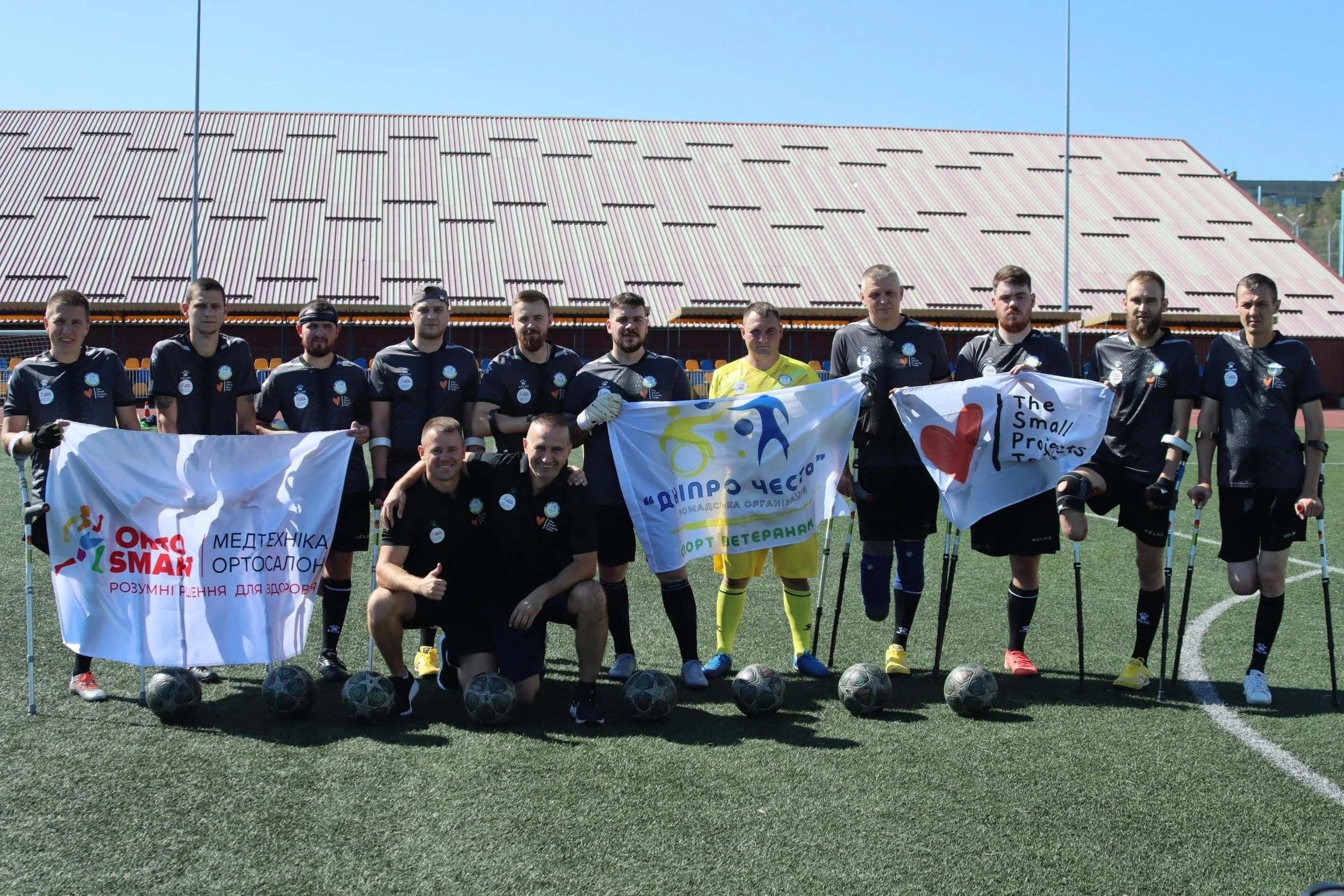
Our team from Dnipro.
A national milestone
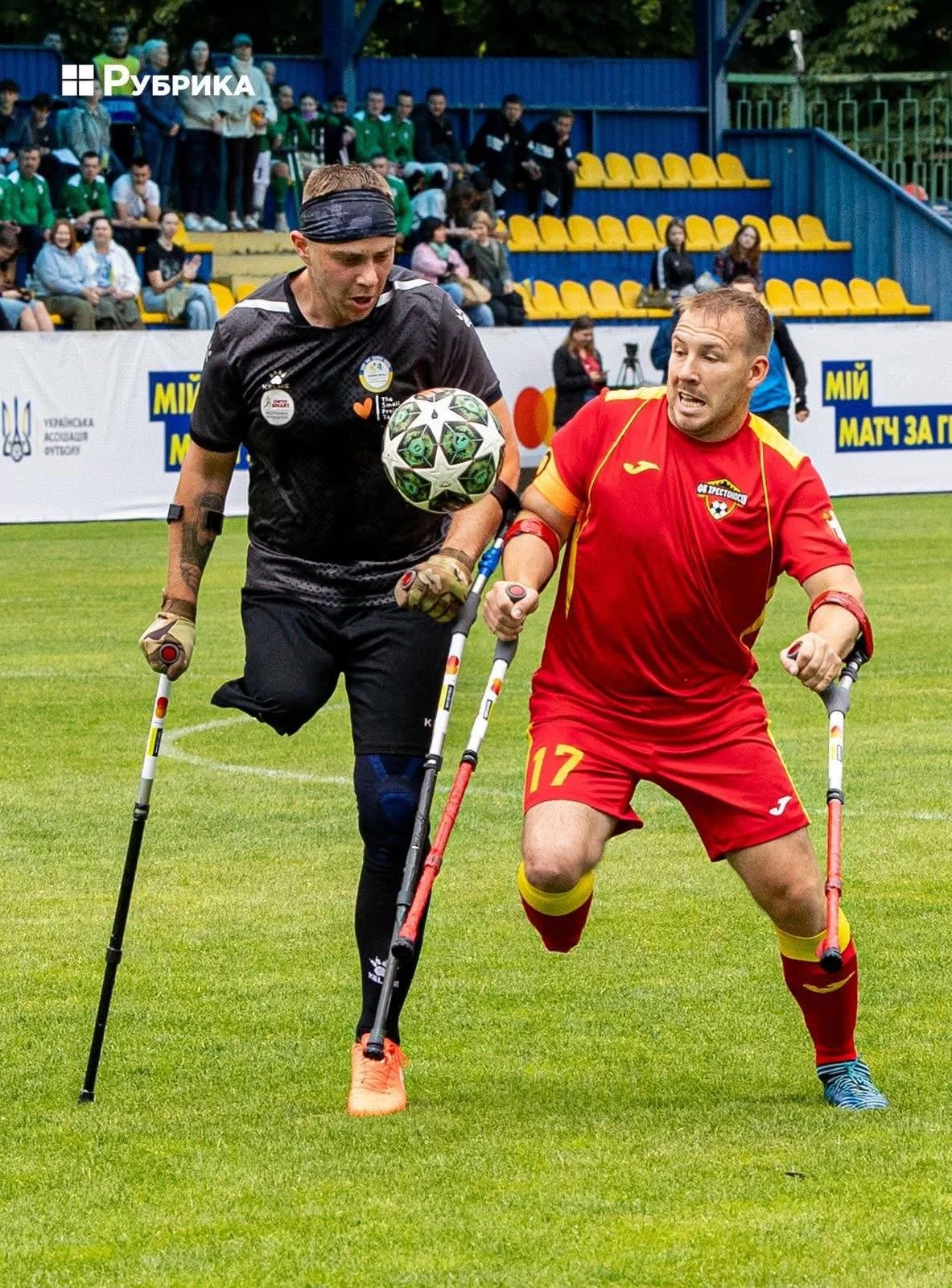
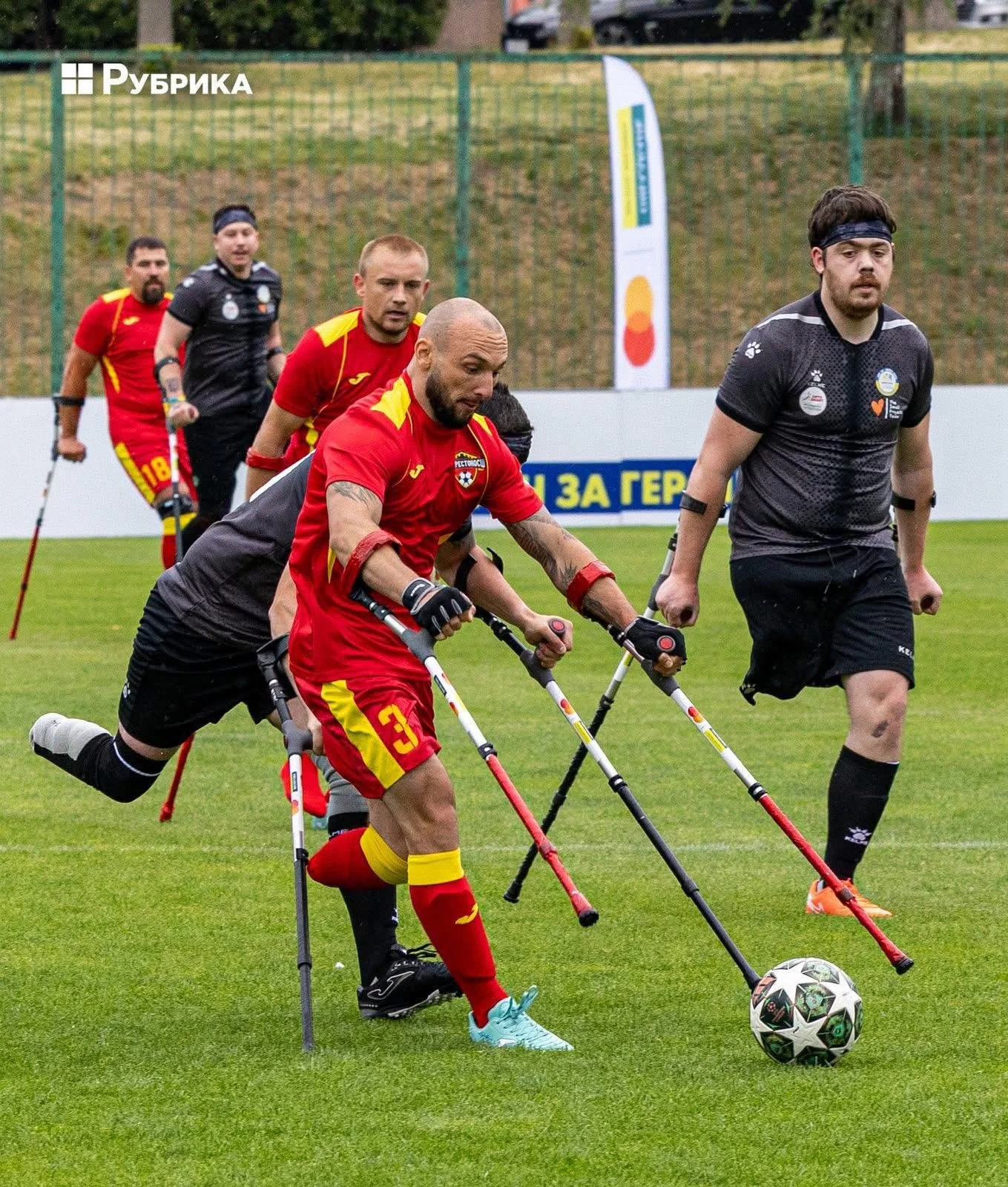
In September 2025, the Ukrainian Association of Football organized the first official amputee football matches.
Teams we helped launch were competing — real referees, spectators, everything that makes sport feel alive. It wasn’t only about competition. It was about inclusion, dignity, and visibility. These clubs aren’t just participating in the sport — they’re shaping its future in Ukraine.
Why this work matters
This project means a lot to me.
Not because of numbers or outputs, but because of the transformations I’ve seen:
people finding community after long periods of isolation
new identities forming around capability, not injury
communities learning to see disability through a lens of strength
This work isn’t charity. It’s not about pity. It’s about agency, possibility, and building environments where people can reconnect with themselves and each other.
I’m grateful to The Small Projects Team, to all the coaches and local partners, and to every player who shows up and builds this movement one training session at a time.
To support this work, you can learn more or contribute directly through
